Ruto Appoints National Infrastructure Fund Council to Drive Investment-Led Development
The President announced that Jomo Kenyatta International Airport (JKIA) expansion will become the first significant project which the newly established fund will finance.
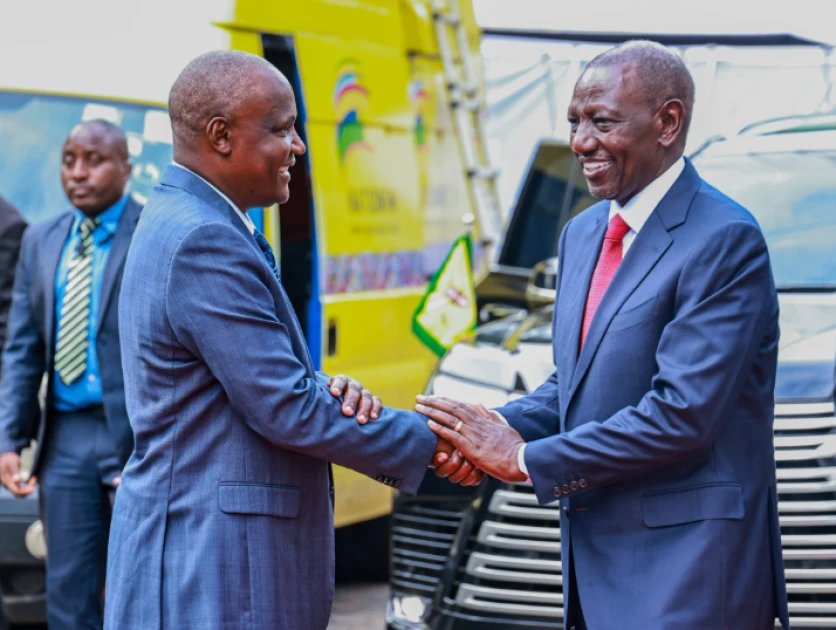
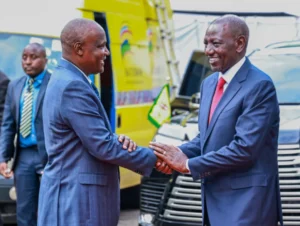
President William Ruto with Treasury CS John Mbadi during the Kenya Pipeline IPO unveiling at the Nairobi Securities Exchange on March 10, 2026. Photo/Courtesy
By Ruth sang
President William Ruto appointed seven people to the National Infrastructure Fund Governing Council which represents a crucial advancement for Kenya’s shift away from borrowing-based growth towards funding through investments and private sector development.
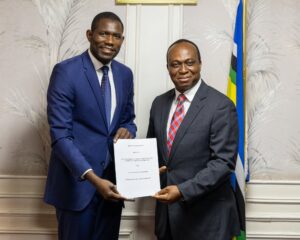
The public announcement from Head of Public Service Felix Koskei on Wednesday appointed Treasury Cabinet Secretary John Mbadi as the council chairman. The council will also contain Central Bank of Kenya Governor Kamau Thugge and Attorney General Dorcas Oduor as official members according to their government responsibilities.
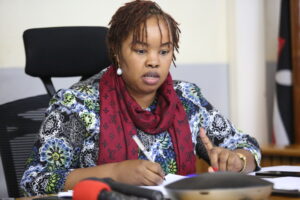
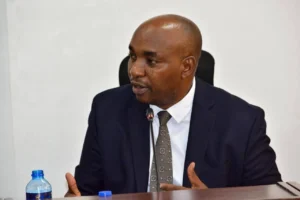
The President further appointed four independent members who will serve for a three-year term. The board members include Prof. Benedict Oramah who leads the Board of Directors for the African Export Development Fund FEDA and Faith Boinett who chairs the Kenya Pipeline Company Limited Paul Russo who works as CEO of KCB Group PLC and Richard Etemesi who leads Liberty Holdings Limited. The team will guide the fund through its strategic development process according to their expected duties.
The government notice states that the council will focus on two main tasks which include attracting private investment and enhancing the execution of infrastructure projects that generate commercial income. The strategy aims to decrease governmental dependence on public loans and taxes by drawing private investments from both domestic and international sources.
The council will begin its work by establishing the Fund Board of Directors through a recruitment process. The board will select its Chief Executive Officer who will manage all fund operations until the organization reaches its operational goals.
The notice confirmed that the appointments follow the enactment of the National Infrastructure Fund Act, 2026, which came into force under Article 116 of the Constitution. The establishment of the council is therefore a crucial step in implementing the provisions of the new law.
President Ruto signed the KSh 5 trillion National Infrastructure Fund Bill 2026 into law which enables the government to begin using private money for major infrastructure projects. National Assembly Majority Leader Kimani Ichung’wah sponsored the legislation which aims to change national funding methods from tax revenue and debt financing to other alternatives.
President Ruto has previously emphasized that the fund is based on proven global models that have delivered results in other countries. He mentioned the following examples: Nigeria created its Infrastructure Fund in 2011 Ghana established its Infrastructure Investment Fund in 2014 India launched the National Investment and Infrastructure Fund in 2015 Canada established the Infrastructure Bank in 2017 The United Kingdom set up the National Wealth Fund and South Africa introduced its Infrastructure Fund.
The President announced that Jomo Kenyatta International Airport (JKIA) expansion will become the first significant project which the newly established fund will finance. The initiative indicates that Kenya will now adopt a new approach to financing essential infrastructure through sustainable and efficient methods which involve the private sector.
About Author