Public Input from Farmers in Eldoret on Suggested Livestock Identification Legislation
The public participation process will continue throughout the nation as the government refines the bill before sending it to the Attorney General for completion of the final drafting process.
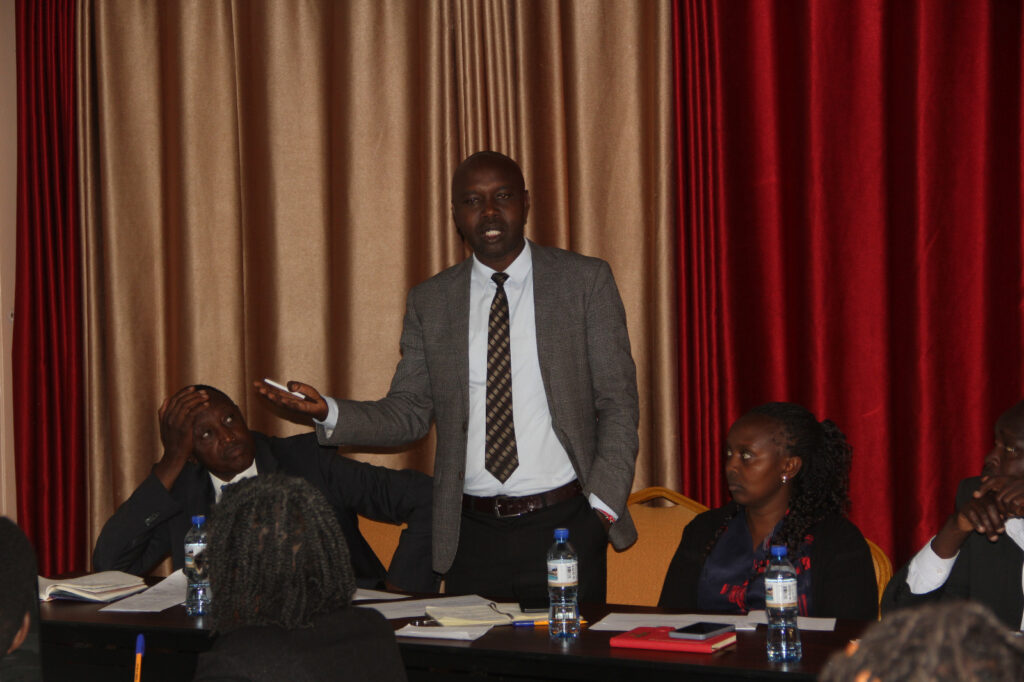
Director of Livestock Production Abraham Kiptanui. Photo/Courtesy
By Ruth Sang
Farmers and Stakeholders Participated in Public Meeting for Local Community Input
The national livestock officials and county leaders conducted a public forum in Eldoret to inform farmers and stakeholders about the upcoming Animal Identification and Traceability Bill. The meeting brought together farmers from various sub-counties, dairy cooperative societies, and other key players in the livestock sector.
The session aimed to collect views from farmers on the proposed law, ensuring their input is incorporated before the bill is finalized. The State Department of Livestock officials together with county representatives explained that the bill will create a national system for livestock identification and traceability through its establishment of legal identification methods.
The participants received an overview of the bill’s contents and had the opportunity to express their objections and proposed improvements to make the bill more effective. The engagement is part of a nationwide exercise targeting all 47 counties to ensure inclusivity in the legislative process.

The proposed system will introduce unique identification for each animal, similar to a vehicle logbook, enabling farmers to easily verify ownership. The current ear-tag system will be replaced by a new method that uses implanted microchips for animal identification, which will enhance identification security and reliability.
Advantages the Bill Provides to Farmers and the Livestock Sector
The officials of the proposed law system explained its advantages which included improving livestock tracking and disease control while granting access to international markets. The system is expected to enhance disease surveillance and vaccination programs and eradication efforts which remain a major challenge in the country.
Abraham Kiptanui, the Director of Livestock Production, spoke at the forum to explain how the bill will revolutionize the industry.
“The passage of this bill will establish animal identification and traceability as a legal requirement which is vital for our farmers. The system will assist us in maintaining effective disease control while enabling us to access superior livestock markets and livestock product markets,” Kiptanui said.
He said that the system will enable county governments to count all animals within their territory which will help them plan better and deliver superior services to farmers.
The officials stated that proper identification will help decrease livestock theft because people will be able to track stolen animals while ownership records will remain protected in secure storage. Farmers will also benefit economically, as traceability is a key requirement in accessing export markets such as those in the Middle East and Europe.
The government confirmed that farmers will receive free initial registration for five years after which they will start to assume registration duties.
The meeting attendees who farmed welcomed the project, stating that it would enhance breeding and productivity and permit them to use livestock as loan collateral. The system will guarantee secure ownership transfers in the same way that vehicle registration systems do, according to their explanation.
About Author