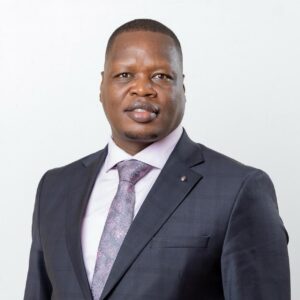
Oginde Defends Plea Bargains in Graft Cases
EACC chair gave people an assurance that the commission uses stringent tests and proper arithmetic to every recovery case
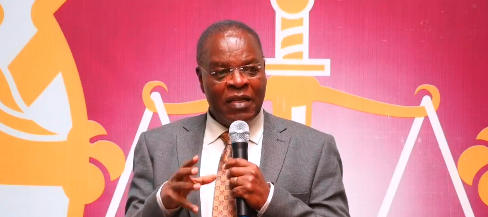
Oginde gave an example. "If one stole KSh500 million but cannot pay the entire amount immediately, we do it in instalments," he continued. Photo/ K24 Digital
By Juliet Jerotich
EACC chairman David Oginde has defended the seemingly lighter sentences awarded to suspects of major corruption cases.
On Tuesday, August 12, 2025, in a TV interview, while explaining, Oginde asserted that the approach is part of a legal process known as plea bargaining. For him, it is not about showing mercy to criminals but about retrieving public funds efficiently.
It is not a slap on the wrist when an individual who stole a lot is required to refund half of it,” he stated. “Plea bargaining is where the accused individual admits to wrongdoing, and there is concurrence among prosecutors and defence lawyers on terms to avoid lengthy court cases.”
Oginde gave an example. “If one stole KSh500 million but cannot pay the entire amount immediately, we do it in instalments,” he continued.
The EACC, he said, places greatest emphasis on asset recovery through determination of whether the suspect may have lawfully acquired the property in question. “If our calculations show the property would not have been acquired legally, we move to recover it,” he added.
He emphasized that the process places emphasis on recovering public resources without unnecessarily destroying lives. “You continue living your life, but we recover the wealth,” he clarified.
Oginde acknowledged that plea bargains are viewed by most Kenyans as excusing suspects lightly. However, he argued that the settlements made sense in bringing back stolen funds to the people quickly.
“Our objective is not merely to punish, but to recover what belongs to the people,” he further stated.
EACC chair gave people an assurance that the commission uses stringent tests and proper arithmetic to every recovery case. He emphasized that the system remains transparent, fair, and beneficial to the country.
The statements by Oginde come against the background of public debate on whether plea bargaining will fight corruption. As much as adversaries believe that increasing sentences will fight corruption, proponents believe that quick recoveries save resources and prevent long litigations in court.
He concluded by urging Kenyans to place the ultimate goal — recovering public property and punishing criminals in effective means — at the forefront.
About Author