Obado’s Plea Bargain Talks Collapse After EACC and DPP Fail to Reach Agreement
Another defence counsel added that the impasse was largely due to differing interpretations of the laws regulating the plea-bargaining procedures.
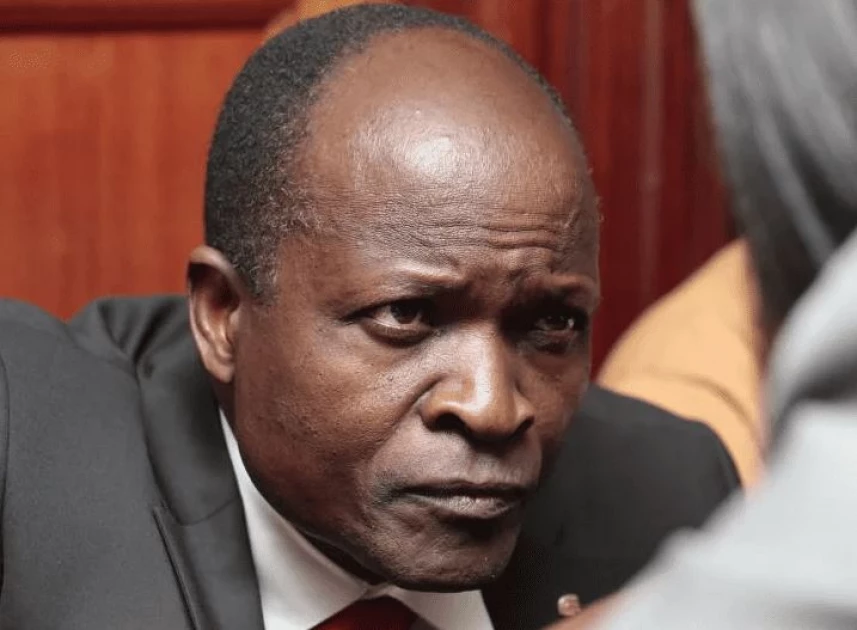
Former Migori Governor Okoth Obado. Photo/courtesy.
By Ruth Sang
Plea bargain talks involving former Migori Governor Okoth Obado have collapsed after the EACC and the DPP failed to agree on some of the key terms of the proposed deal, and the matter has now been referred back to the Anti-Corruption Court for determination.
The two agencies had a joint meeting as ordered but failed to agree on the contents and interpretation of the plea bargain during the court session. The disagreement has stalled progress in Obado’s long-running corruption case.
EACC representatives told the court that they had indeed met with DPP officials on October 30 at the latter’s office, to try and agree to the terms of the plea bargain deal. However, the talks collapsed after differences emerged in the form of the court’s previous directions and the legal interpretation of certain provisions within the proposed agreement.
“We had expressed our concerns regarding the draft plea agreement when the matter was last mentioned before this court,” said an EACC official. “Although we agreed to hold further consultations to align the deal with legal standards, those efforts failed to bear fruit.”
After the collapse of the negotiations, EACC is now asking the court to determine whether the plea bargain drafted by DPP meets the law setting up such deals. The commission argues that the agreement before the court does not fulfill the stipulated statutory requirements.
Lawyers for Mr Obado supported the EACC’s stance and corroborated that though there was a meeting on October 30, it did not reach any consensus. “I can confirm that we met at the DPP’s office as instructed by the court. Unfortunately, the discussions did not lead to an agreement. We therefore seek the court’s direction on the next steps,” one of the defence lawyers said.
Another defence counsel added that the impasse was largely due to differing interpretations of the laws regulating the plea-bargaining procedures.
In its ruling, the Anti-Corruption Court presided that hearings and determination of the disputed application would take place on December 8. The upcoming session is expected to bring clarity on the way forward in the case, especially whether a new plea agreement can be pursued or if the trial will proceed as initially intended. The case is another significant test of the plea-bargaining framework in Kenya, with persistent institutional disagreements between prosecutorial and investigative bodies on how to handle high-profile corruption cases.
About Author