KWS Unveils Major Initiative to Strengthen Black Rhino Conservation Efforts
KWS says that training locals and involving them in conservation will help gain long-term support from them for the initiative.
With the opening up of expansive new corridors, KREI hopes to reverse these challenges and give the rhinos the space they need to thrive. Photo/courtesy
By Ruth Sang
The Kenya Wildlife Service has announced a far-reaching conservation program that aims to grow the country’s black rhino population. The new initiative, known as the Kenya Rhino Range Expansion Initiative, or KREI, has an ambitious target: increasing the number of black rhinos to 2,000 by the year 2037.
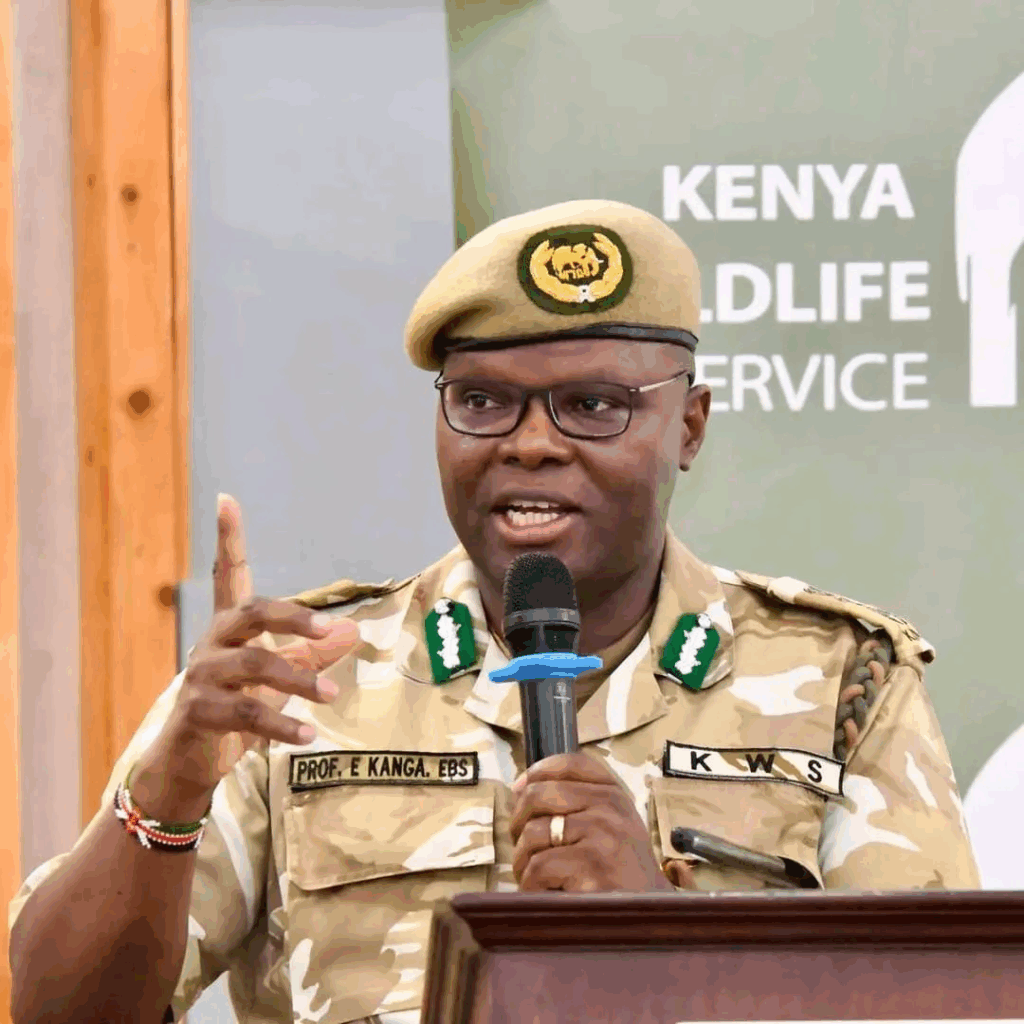
The launch took place in Nanyuki, where KWS Director General Prof. Erastus Kanga outlined the vision and magnitude of the project. He described the programme as a groundbreaking step toward Kenya’s conservation journey — one that will not only safeguard an iconic species but also deliver lasting ecological and economic benefits for the nation.
This initiative is more than a standard wildlife conservation, according to Prof. Kanga. “The Kenya Rhino Range Expansion Initiative is not just a conservation effort; it is a transformative opportunity that can reshape both our natural ecosystems and our communities,” he said. He further stated that the long-term success of rhino conservation requires creative solutions, strategic land use, and wider public support.
At the heart of KREI is a major expansion and reconnection of rhino habitats. A total area of more than 34,000 square kilometres in Tsavo and Central Kenya is in the process of being secured. These landscapes will ensure safer, larger, and better-connected ranges for black rhinos, thereby easing the pressure put on the currently overcrowded sanctuaries. For a long period now, conservationists have warned that limited space and fragmented habitats reduce genetic diversity and increase human-wildlife conflict. With the opening up of expansive new corridors, KREI hopes to reverse these challenges and give the rhinos the space they need to thrive.
This initiative will also reinforce security through enhanced monitoring, anti-poaching operations, and community outreach. According to KWS officials, the new rhino ranges will be kept safe and sustainable only through close collaboration with local communities, private conservancies, county governments, and conservation partners. So many of these regions already host wildlife but lack the secure infrastructure needed for rhino reintroduction; KREI seeks to bridge that gap.
Besides habitat restoration, the program is likely to yield important socio-economic benefits. Greater wildlife areas may increase tourism, provide jobs not only in conservation but also in land management, and spur new economic activities in surrounding communities. KWS says that training locals and involving them in conservation will help gain long-term support from them for the initiative.
As climate pressures, poaching threats, and shrinking wild spaces continue to imperil black rhinos, KREI represents a decisive step in Kenya’s long-running commitment to the protection of one of its most endangered species. Conservationists have welcomed the initiative, noting that Kenya holds one of the largest remaining black rhino populations in the world and therefore occupies a central place in the global survival of the species. This ambitious programme could mark the beginning of a new frontier in wildlife conservation across Africa. The agency underscores that the restoration of rhino populations is about building resilient ecosystems for future generations, not just the salvation of a species.
About Author