Kenya’s Debt Talks with IMF Stall Over Securitisation Policy, Says CS Mbadi
This is the second mission in five months after an earlier review in June that examined Kenya’s anti-corruption and governance frameworks.

The result of next week’s talks will determine whether Kenya secures a new IMF-backed programme-a move viewed as crucial for shilling stabilization, rebuilding investor confidence, and supporting the country's recovery from mounting debt and economic strain. Photo/Courtesy.
By Ruth Sang
High-level talks between Kenya and the International Monetary Fund next week could focus on how the government manages its securitized debt under the country’s new financing strategy. Discussions come at a critical time for Kenya as it seeks a fresh financial arrangement with the global lender, following the expiry of its previous $3.6 billion (Ksh465 billion) programme earlier this year.
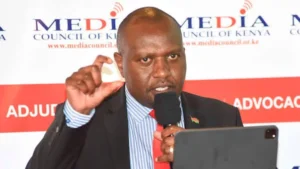
Kenya’s Treasury Cabinet Secretary John Mbadi said on Tuesday, November 4, that the coming talks would seek to bring Kenya’s debt management policies in line with IMF requirements. The biggest point of disagreement, he said, is over the treatment of securitised borrowing: Kenya’s government sees securitisation as a means of raising finance without adding to its debt burden, but the IMF believes it should be treated as regular borrowing.
Securitization is a financial process whereby governments are allowed to convert future streams of income, such as taxes, royalties, or levies, into upfront cash. This is often done through the creation of a Special Purpose Vehicle that issues ABS to investors. These securities are collateralized by the anticipated revenues and enable investors to lend money in exchange for future repayments once the pledged revenues are collected.
Proponents of the policy make a case for securitisation on the basis that it offers immediate liquidity, smooths out budget constraints, and enables the government to finance sorely needed infrastructure projects without being heavily reliant on foreign loans. Critics, however, say it risks reducing transparency, weakening future revenues, and limiting fiscal flexibility-essentially mortgaging future income streams.
The Kenya government, earlier in the year, activated its securitisation strategy aimed at clearing pending payments to contractors and resuming work on more than 580 stalled road projects, using the fuel levy to raise Ksh175 billion. This involves selling rights to future Road Maintenance Levy collections where Ksh7 from every litre of fuel goes to an SPV while the remaining Ksh18 goes to KRB. This structure provides immediate funding without directly increasing Kenya’s debt stock – a key reason for the government’s preference for the approach.
However, the position held by the IMF on the classification of such borrowing has delayed the approval of a new loan package. Kenya’s new request for financing is aimed at helping it manage increased external debt repayments and budget pressures after the country skipped its final disbursement of $850 million (Ksh109.9 billion) under the previous IMF programme.
A delegation from the IMF that visited Kenya in September led an in-depth look into the fiscal and economic frameworks in place within the country, including those on sustainability and transparency of debt. This is the second mission in five months after an earlier review in June that examined Kenya’s anti-corruption and governance frameworks.
CS Mbadi sounded optimistic that the engagement would result in a consensus that would strike a balance between Kenya’s development needs and prudent debt management. “We believe we can reach a middle ground that supports our fiscal reforms while ensuring debt sustainability,” he said. The result of next week’s talks will determine whether Kenya secures a new IMF-backed programme-a move viewed as crucial for shilling stabilization, rebuilding investor confidence, and supporting the country’s recovery from mounting debt and economic strain.
About Author