Kenya’s 2025/26 Budget: A Ksh4.7 Billion Boost for Agriculture Amid Debt Warnings
The budget, Mbadi’s first as CS, reflects a strategic response to Kenya’s shrinking fiscal space, with public debt surpassing Sh10 trillion.

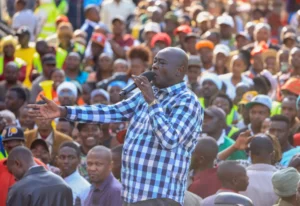
Treasury Cabinet Secretary John Mbadi. Photo/The Star Kenya.
By Robert Assad
Treasury Cabinet Secretary John Mbadi unveiled a Ksh4.23 trillion budget for the 2025/26 financial year, spotlighting a Ksh47.6 billion allocation for the agriculture sector to drive economic recovery.
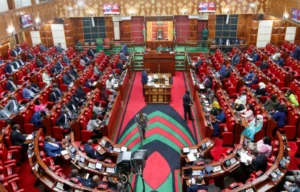
Speaking before the National Assembly, Mbadi emphasized sustainable growth and job creation, with agriculture receiving significant attention to improve livelihoods.
Key allocations include Ksh10.2 billion for the Value Chain Project, Ksh8.0 billion for the Fertilizer Subsidy Programme, and Ksh5.8 billion for the Food Systems Resilience Project, alongside investments in pastoral economies, livestock commercialization, and land reforms.
The budget, Mbadi’s first as CS, reflects a strategic response to Kenya’s shrinking fiscal space, with public debt surpassing Sh10 trillion.
He issued a stark warning about the country’s diminished debt-carrying capacity, urging fiscal discipline and efficient revenue mobilization to avert a looming crisis.
“We face constraints on account of public debt accumulation. This calls for prudence in managing new debt,” he told lawmakers. The budget balances Ksh3.09 trillion for recurrent expenditure, Ksh725.1 billion for development, Ksh436.7 billion for county transfers, and a Ksh5 billion Contingency Fund.
Mbadi stressed directing borrowed funds toward productive investments while curbing waste, a move welcomed amid public scrutiny over spending and the high cost of living.
The budget incorporates public feedback from recent barazas, prioritizing essential services like healthcare and education.
However, he cautioned against excessive taxation, which could stifle small businesses and private sector growth, key economic drivers.
Agriculture’s Ksh47.6 billion package includes Ksh5.2 billion for Settlement of the Landless, Ksh2.3 billion for the Pastoral Economies Programme, and Ksh1.6 billion for sugar reforms.
Additional funds support crop diversification, land registration, and irrigation to bolster food security. This aligns with the government’s goal of stimulating sustainable recovery, though analysts warn that structural reforms are critical to avoid a debt trap.
Civil society and economists have called for transparency to eliminate wasteful expenditure, a challenge Mbadi acknowledged. He highlighted the need for tough decisions, including streamlining spending and boosting domestic revenue without overburdening citizens.
The budget’s success hinges on these reforms, as Kenya navigates financial shocks and rising debt.
As Mbadi presented the estimates, the nation watched closely. With agriculture as a cornerstone, the 2025/26 budget aims to lay a foundation for recovery, but its effectiveness will depend on disciplined execution and public trust.
The Treasury’s focus on strategic planning offers hope, yet the road ahead demands unwavering commitment to fiscal responsibility.
Kenya’s 2025/26 Budget: A Ksh4.7 Billion Boost for Agriculture Amid Debt Warnings
Overview
Treasury CS unveiled a Ksh4.23 trillion budget for the 2025/26 financial year, with a Ksh47.6 billion allocation for agriculture to drive economic recovery. The budget, his first as CS, addresses Kenya’s Sh10 trillion debt burden.

Agriculture Allocation
– Value Chain Project: Ksh10.2 billion
– Fertilizer Subsidy Programme: Ksh8.0 billion
– Food Systems Resilience Project: Ksh5.8 billion
– Blue Economy Priority Projects: Ksh5.2 billion
– Settlement of the Landless: Ksh5.2 billion
– Pastoral Economies Programme: Ksh2.3 billion
– Livestock Commercialization Programme: Ksh1.6 billion
– Sugar Reforms: Ksh1.6 billion
– Food Security & Crop Diversification: Ksh1.2 billion
– Financing & Registration of Title Deeds: Ksh1.1 billion
– Irrigation, Construction of Land Registries: Ksh0.9 billion
– Scale Irrigation, Value Addition: Ksh0.8 billion
– Ending Drought Emergency in Kenya: Ksh0.3 billion
Fiscal Challenges
Mbadi warned of a shrinking debt-carrying capacity, urging fiscal discipline and efficient revenue mobilization. The budget includes:
– Recurrent Expenditure: Ksh3.09 trillion
– Development Projects: Ksh725.1 billion
– County Transfers: Ksh436.7 billion
– Contingency Fund: Ksh5 billion
Economic Strategy
The budget balances revenue generation with growth, incorporating public feedback. Mbadi cautioned against overtaxation to protect small businesses, emphasizing productive investments and waste reduction.
Outlook
Analysts stress structural reforms to avoid a debt trap, while civil society demands transparency. The budget’s success hinges on disciplined execution.
About Author