High Court Finds President Ruto Overstepped Mandate in Creating Victims’ Compensation Panel
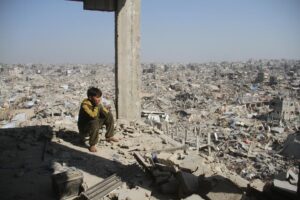
The demonstrations, largely by youth, caused the death of over 120 people and injured scores, fuelling demands for accountability.
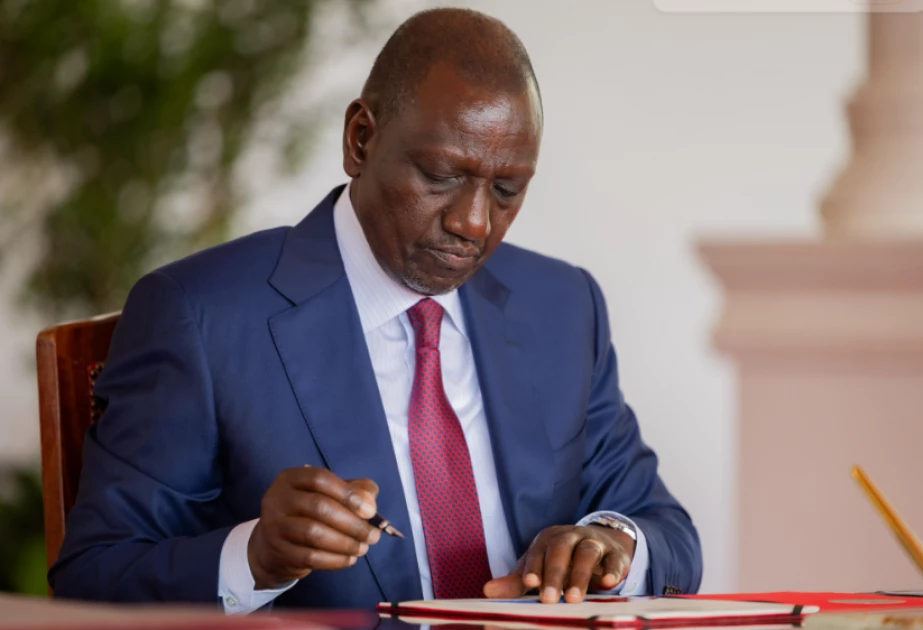
President William Ruto . Photo/Courtesy
By Ruth Sang
The High Court has delivered a landmark ruling declaring that President William Ruto acted outside his constitutional powers when he established a special panel to advise on compensation for victims affected by recent incidents of police brutality and protest-related violence. In the view of the court, such issues are strictly a mandate of the Kenya National Commission on Human Rights (KNCHR) and not the Executive.
In the judgment, the court ordered that the report of the panel be forthwith presented before the KNCHR. The commission is to take over all subsequent steps including making necessary alterations required to bring the actions in conformity with constitutional stipulations. The court granted 30 days for amendment to be made, but it charged a failure to correct these abnormalities within set periods would have the effect of rendering the President’s proclamations unenforceable.
The presiding judge, however, warned that such proclamations would not be automatically nullified the moment the 30-day period expired. In its ruling, the court emphasized that repeated failure to make the process fall in line with constitutional provisions would at some point render all directives issued by the President null and void.
The ruling was categorical that issues relating to the protection of human rights and compensation to victims of violations lie squarely within the mandate of the KNCHR. The court, while noting that the commission is a constitutionally created body saddled with the responsibility of ensuring that such issues are addressed, cautioned that no parallel body may be constituted by the Executive to undertake functions already vested in the commission.
The court consequently declared the proclamations that established the victims’ compensation panel unconstitutional and hence void.
The case was filed by attorney Levy Munyiri, who argued that the President breached the Constitution by establishing a committee to undertake roles exclusively reserved for the KNCHR. Munyiri contended that the putting in place of such a panel undermined the independence of human rights institutions and set a dangerous precedent for executive overreach.
The contested panel was appointed through a Gazette notice dated August 25 and was intended to oversee compensation to victims of police violence that was linked to anti-government demonstrations held this year and last year. The demonstrations, largely by youth, caused the death of over 120 people and injured scores, fueling demands for accountability.
The committee, headed by Prof. Makau Mutua, senior adviser to the President on constitutional affairs and human rights, comprised LSK President Faith Odhiambo as Vice-Chairperson, 12 members, two technical experts and two joint secretaries. Ms Odhiambo later resigned from that position and was replaced by KNCHR Chairperson Claris Awuor Ogangah-Onyango. The High Court’s decision now shifts the responsibility for the compensation process fully back to the KNCHR, reaffirming its constitutional authority and underlining the principle that executive actions must remain within the limits of the law.
About Author