Global Pressures Cut Tea Farmer Earnings, Says KTDA
KTDA explained that the effect varied across tea-growing regions. Small declines were recorded by farmers in the East of the Rift Valley
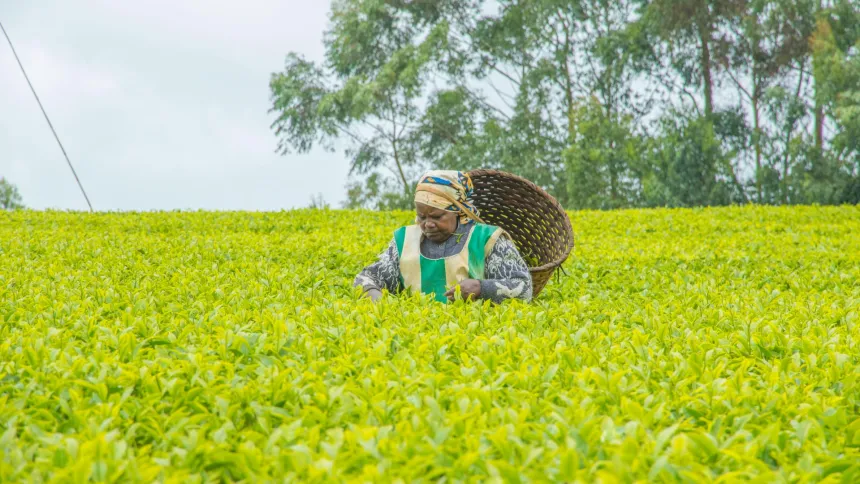
KTDA advised against politicizing tea matters, noting that incorporating politics in factory activities only discriminates against farmers. The agency again reminded that stable green leaf quality. Photo/ Courtesy
By Juliet Jerotich
The Kenya Tea Development Agency (KTDA) has explained that the decline in tea farmers’ second payment, also known as the bonus, this year is largely due to international market patterns and dynamics of the currency exchanges.
According to KTDA, even though the prices of tea in the world were generally flat, appreciation of the Kenya Shilling reduced earnings when exchanged into foreign currency. In 2024, the Shilling was averaging Kshs 144 against the dollar versus Kshs 129 in 2025. Such a difference meant that even a constant dollar income equated to lower amounts locally.
Regional Price Variations
KTDA explained that the effect varied across tea-growing regions. Small declines were recorded by farmers in the East of the Rift Valley relative to their Western counterparts. For instance, Kiambu farmers got paid Kshs 371 per kilo, down by Kshs 46 from last year, Murang’a got paid Kshs 376, down by Kshs 42 from last year. Similarly, Nyeri got paid Kshs 388 (loss of Kshs 42), Kirinyaga got paid Kshs 400 (loss of Kshs 38), Embu got paid Kshs 404 (loss of Kshs 34), and Meru got paid Kshs 381 (loss of Kshs 46).
On the western side, the slashes were steeper. Kericho fell to Kshs 245, down by Kshs 101; Bomet Kshs 209, down by Kshs 85; Nyamira Kshs 266, down by Kshs 106; Kisii Kshs 246, down by Kshs 95; and Nandi/Vihiga Kshs 208, down by Kshs 66. KTDA noted that if these made tea prices are converted into green leaf equivalents using the 4.4 ratio, they directly explain the lower pay-outs.
Why East Was Superior to West
The company attributed differences in earnings between East and West of Rift to several factors, including differences in quality, benefits from altitude, and tastes from around the world. Teas from certain high-altitude areas usually have a premium price all over the world due to their unique taste and quality.
KTDA went on to say that all the independent producers and big plantation firms, primarily in the West of Rift, are facing the same issue, confirming that the downturn is not only at KTDA-managed factories but the whole market.
Call Against Politicizing Tea
In its statement, KTDA advised against politicizing tea matters, noting that incorporating politics in factory activities only discriminates against farmers. The agency again reminded that stable green leaf quality, discipline at the factory level, and good agricultural practices are the greatest assurances for farmers’ earnings.
Measures to Cushion Farmers
Despite the reduction in bonuses, KTDA encapsulated a series of strategies anticipated to stabilize farmers’ incomes. They include production of orthodox teas, which are better placed in niche markets, promotion of value addition to reduce reliance on bulk exports, and opening new global markets such as China.
Besides that, the agency is also investing in factory upgradation and power solutions to reduce cost of operations and enhance efficiency. Collaboration with the government to reduce packaging costs and promote exports is also being initiated.
Assurance to Farmers
KTDA encapsulated by promising farmers its commitment to their welfare. “The problems confronting us are global and systemic, but by holding on to quality, efficiency, and innovation, we will get through them and make more money in the future,” the statement read.
About Author