Fraud and Lack of Awareness Threatening SHA Reforms, CEO Mercy Mwangangi Warns
She noted that Kenya can learn from countries such as the United States, which has established specialized units to deal with medical fraud.
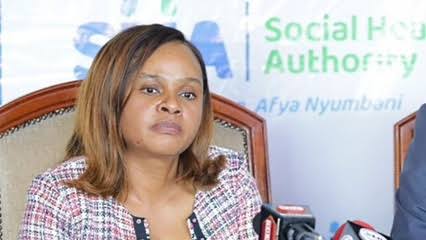
Photo: Courtesy.
By Robert Mutasi
Social Health Authority (SHA) Chief Executive Officer Mercy Mwangangi has raised alarm over rampant fraud and poor public awareness, saying the two challenges are threatening to derail reforms in Kenya’s health insurance system.
Speaking on Tuesday during a media town hall meeting at Radisson Blu in Nairobi, Mwangangi said fraud remains a global menace in health insurance and Kenya is not spared, with health facilities, officials and even ordinary members of the public contributing to fraudulent claims.
“Global indicators of fraud tell us health insurance fraud is a menace,” Mwangangi said.
She noted that Kenya can learn from countries such as the United States, which has established specialized units to deal with medical fraud.
“We need to go and look at the FBI special unit for medical fraud, just like America,” she said, suggesting that Kenya needs a dedicated investigative arm to handle health-related fraud.
Mwangangi emphasized that fraud in SHA is not limited to hospitals or government officials, but also involves citizens who exploit the system for personal benefit.
She cited a recent case reported by a private health facility involving a civil servant who allegedly used her SHA card to have her sister admitted for treatment.
“We have one private facility telling me that a lady who is a civil servant brought her sister, admitted her using her card, and the sister had to run at night. This is fraud by Kenyans,” she revealed.
“All of us are accomplices of fraud,” Mwangangi added, warning that such practices will cripple the new health authority if not stopped.
According to the CEO, digitization of SHA services is expected to strengthen efforts to detect and curb fraud. She noted that the authority has now moved to a fully digital claims system, with no manual documents being used.
“Right now all our claims are digital. We do not have manual documents and that is an improvement. It means we team ourselves in a highly digital work,” she said. “We struggle with this, but our digitisation has come to support us.”
Beyond fraud, Mwangangi identified change management and public awareness as the second major challenge facing SHA reforms as the country transitions from the defunct National Health Insurance Fund (NHIF) to the new SHA model.
“One of the things that when you introduce a reform or project you must deal with is if stakeholders understand the reform and that they are able to push forward,” she explained.
She said the success of any reform depends on whether stakeholders understand the changes and are able to support their implementation, noting that many Kenyans still do not understand how SHA works.
“Change management and educating all Kenyans are therefore critical to the success of the reforms,” she said.
Mwangangi also acknowledged concerns that SHA has not done enough to publicize its services, admitting that more needs to be done to ensure Kenyans are informed about the authority, its benefits package, registration process and how to access services.
The SHA boss said the authority will intensify public education campaigns and stakeholder engagement to ensure Kenyans own the reforms and support the transition to universal health coverage.
About Author