EACC Reclaims Ksh20M Kakamega Land
The agency highlighted its commitment to continue pursuing similar cases. Currently, EACC is facing more than 400 cases in courts nationwide.

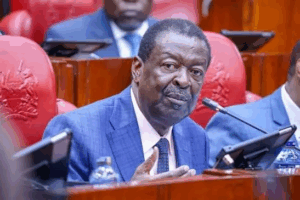
The court also issued a permanent injunction. The order prohibits further dealings on the property except its return to the Ministry of Housing. Photo/ KBC Digital
By Juliet Jerotich
The Ethics and Anti-Corruption Commission (EACC) managed to recover public land in Kakamega Municipality valued at Ksh20 million. The Ministry of Housing owned the land that had been illegally allocated to one person.
Justice Peter Mutua made the ruling on August 6. He ruled that the land was originally trust land set apart for use as residences by civil servants. Such property, the court said, could not be lawfully alienated to the private sector.
The judgment rendered any lease or title issued on the land void. Justice Mutua further ordered all unauthorized entries in the registers to be cancelled. Mr. Peter Muhatia Alubale, as the first defendant, was ordered to surrender vacant possession of land to the government with immediate effect.
The court also issued a permanent injunction. The order prohibits further dealings on the property except its return to the Ministry of Housing.
EACC welcomed the ruling, describing it as a victory in the war on illegal land grabbing. In a press release, the commission said that the ruling protects public resources from abuse.
This decision not only restores the property to its owner but also sends a strong signal that public property is not up for grabs by individuals,” the statement read.
The agency highlighted its commitment to continue pursuing similar cases. Currently, EACC is facing more than 400 cases in courts nationwide. The cases feature the recovery of assets worth an estimated Ksh50 billion believed to have been acquired through corruption.
EACC has called on the public to be vigilant and report cases of suspected illegal acquisition of public land. The commission further stated that such cooperation increases accountability as well as conserves resources meant to serve all citizens.
The Kakamega ruling is described as a milestone in the enforcement of the doctrine that public property is held in trust for the people and ought to be protected from illegal disposal.
About Author