Civil society Networks call on Kenyans to take ownership in county and national development projects.
Reginah Chumbah, a nominated MCA in Uasin Gishu County, said civil societies play a key role in ensuring accountability.
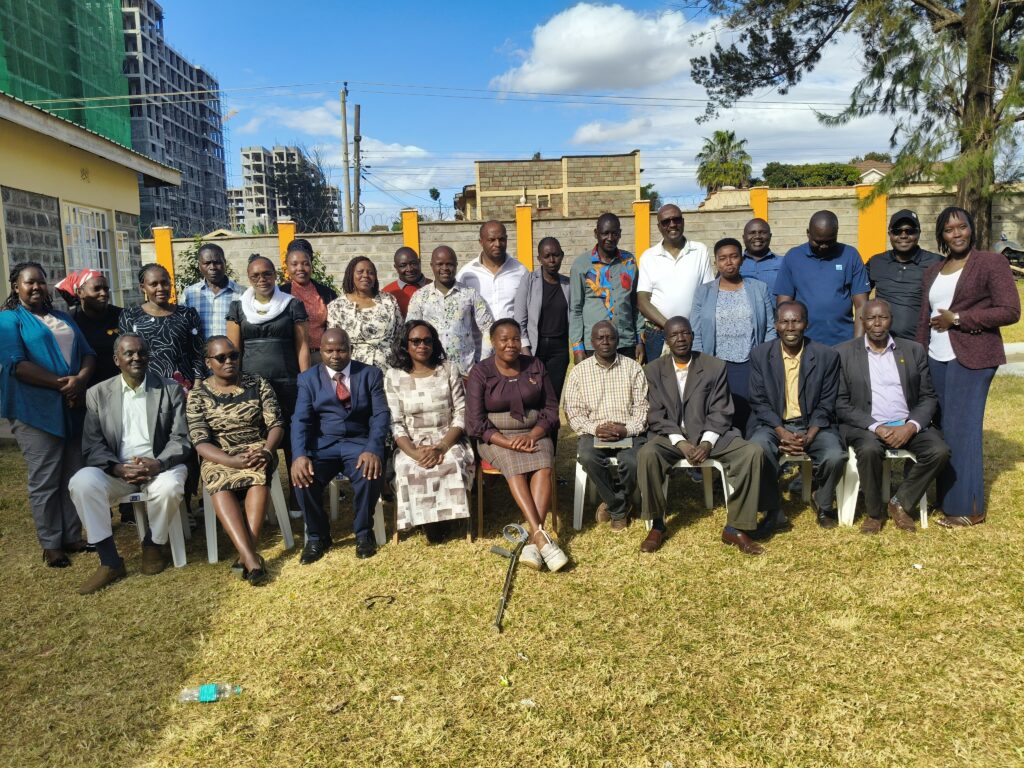
A group photo of the civil societies drawn from Uasin Gishu county and the government officials capacity-building session organized by The Institute of Social Accountability under Tupigane Na Ufisadi (TUNU) program in Eldoret Photo/KipngenoMutai,Hubzmedia.africa
By Kipngeno mutai
Civil society networks are calling on citizens to actively participate in government development projects, especially at the county level, for increased transparency, accountability, and better service delivery.
Speaking during capacity-building session organized by The Institute of Social Accountability under Tupigane Na Ufisadi (TUNU) program in Eldoret, Trainer of Trainers Winny Jelagat reiterated that communities lose their influence when they remain passive in decision-making.
“When citizens remain on the sidelines, they lose their voice in key decisions that shape their lives, and that needs to change,” Chelagat said. She stressed that public engagement must happen at every stage of planning and should not become an afterthought.
Jelagat emphasized the important role that civil society organizations play in teaching citizens their rights, bridging the gap in communication with government, and ensuring honest and frank dialogue.
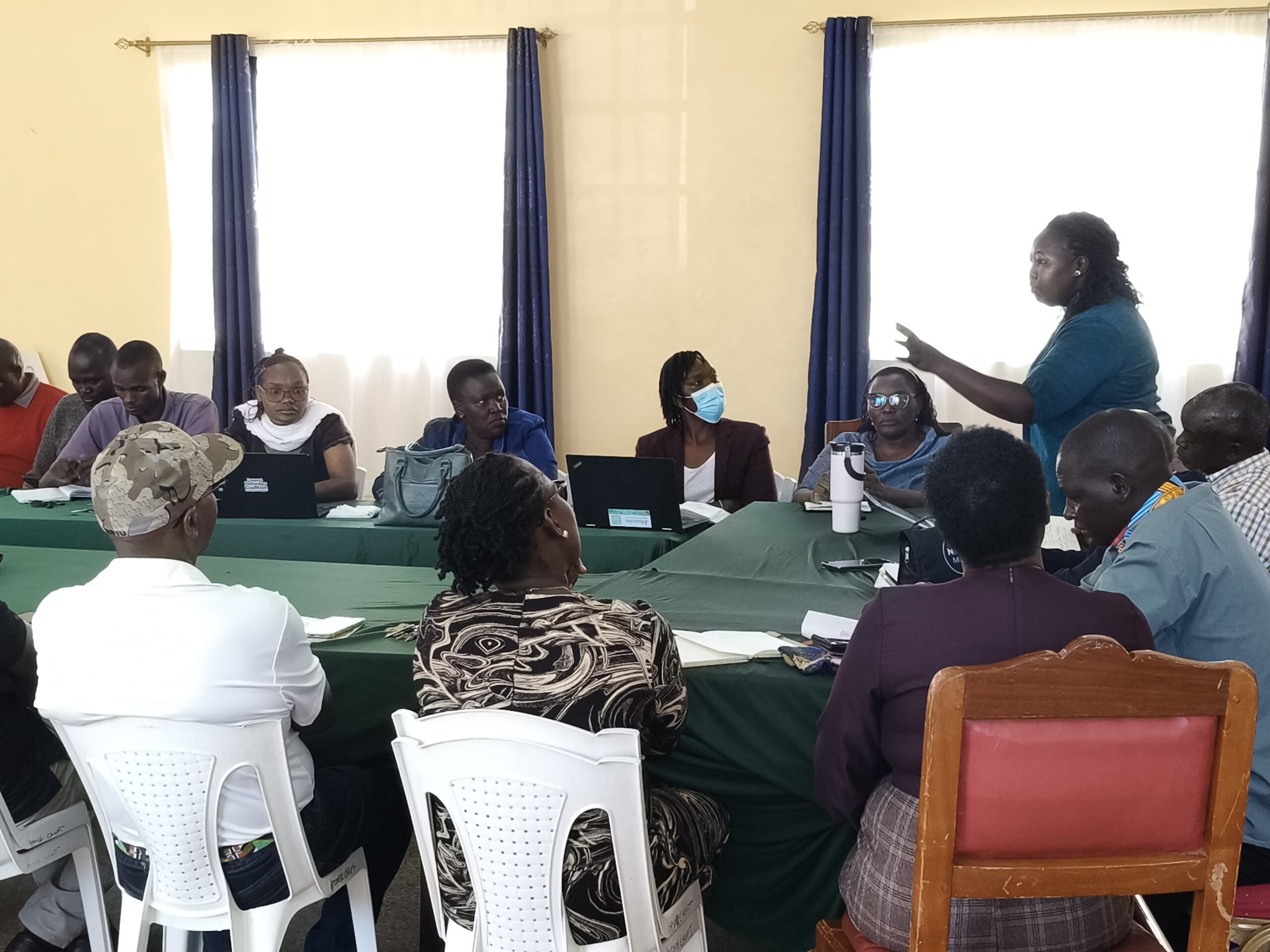
She called on the communities to ensure scrutiny of local projects, value for money, and accountability among leaders.
“Accountability starts with us. We must ensure that any project funded by taxpayers is completed to the right standard and without corruption,” she noted. Jelagat added that delays in projects despite payments being issued remain a worrying trend that denies residents essential services.
According to Benedine Kipruto who is the TUNU Coordinator Uasin Gishu county, social accountability helps to improve services and ensures that there is no corruption
“There is need for continuous tracking of contracts, an interference will compromise the quality of work delivered hence no value for money,” said Kipruto.
Youth Voices Demand Accountability
Edwin Gekone of the Youth Empowerment Development Network echoed the call, emphasizing the need to appreciate how public resources are utilised. According to him, procurement has remained a significant challenge across counties.
“We still have a lot to do when it comes to procurement,” Gekone said, calling for stronger public oversight in tendering and spending.
>Reginah Chumbah, a nominated MCA in Uasin Gishu County, said civil societies play a key role in ensuring accountability, warning that corruption is slowly re-emerging.
“Social accountability is key to improved service delivery. Everyone has a role to play in improving service delivery in our counties,” she said.
Benchmarking for Better Governance
They were encouraged to take lessons from other counties which has become an outstanding example in strong public participation and community-driven project monitoring. Facilitators noted that such benchmarking visits strengthen communities’ ability to track government performance effectively.
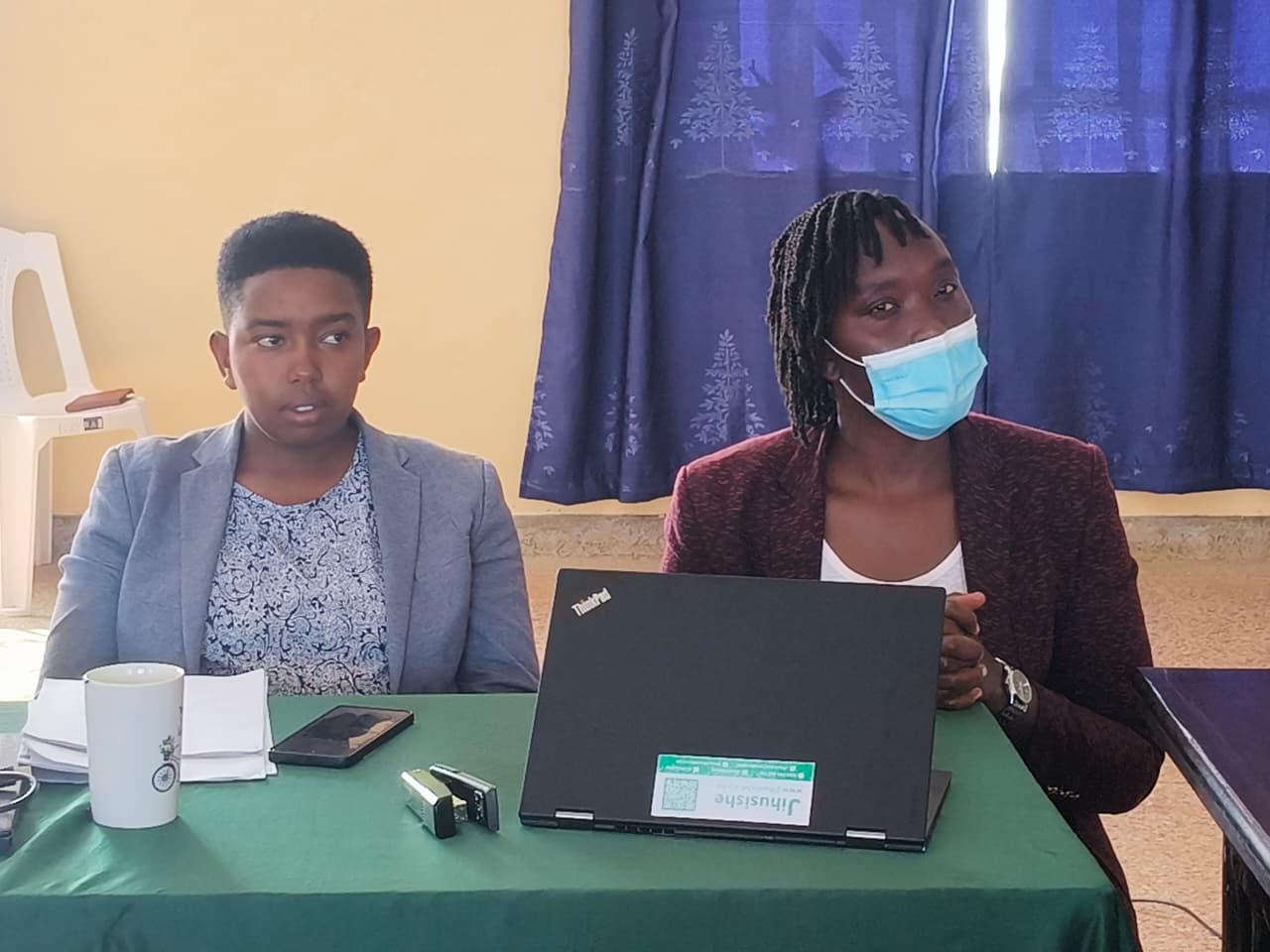
Building a Culture of Accountability Throughout the training, one message came through clearly: citizen involvement drives accountability. Participants agreed that when communities question, track, and engage in county projects and budgets, they strengthen governance and reinforce essential checks and balances. They showed commitment to pushing for transparency in procurement processes and making sure development projects indeed serve the very people they are intended to serve.
About Author