Cherargei Dismisses ODM’s Push for Deputy President Slot, Says Only Local-Level Posts Are on the Table
He added that should the ODM feel that such offers are not suitable, then they are at liberty to withdraw from any talks.
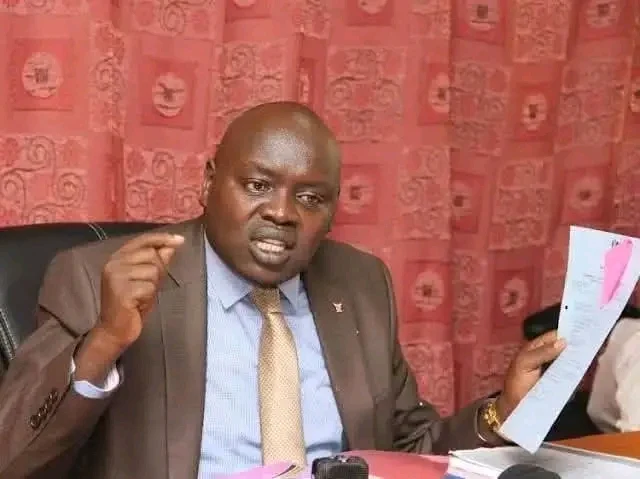
This shows increasing strains in the political cooperation between the two parties. Photo/Courtesy
By Ruth Sang
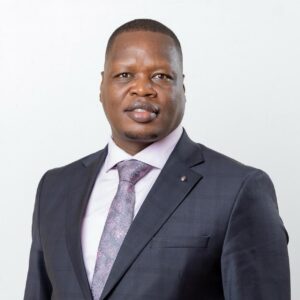
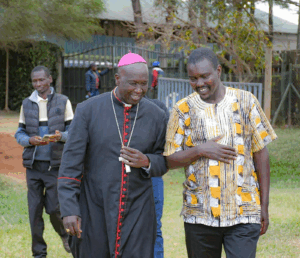
Nandi Senator Samson Kiprotich Cherargei has closed the door on the Orange Democratic Movement’s quest to clinch the Deputy President post ahead of the 2027 political realignments. The outspoken senator told congregants during a church service in Nandi on Sunday that his side will not indulge in any negotiations that include ceding the deputy presidency to ODM.
According to Cherargei, ODM leaders are mistaken if they think the position of the Deputy President is on the negotiating table. “They think that we are going to give them the Deputy President post — that will not happen,” he said. He insisted that the only roles his camp can offer are minor appointments at the community level, which he referred to as “Wazee wa Mitaa,” symbolic grassroots leadership positions traditionally associated with neighbourhood counsel. He added that should the ODM feel that such offers are not suitable, then they are at liberty to withdraw from any talks.
Cherargei’s remarks introduced a few key messages:
Top Positions Are Off-Limits: He, in fact, sustained that the presidency and deputy presidency remain reserved and excluded from coalition bargaining under Kenya Kwanza, a scenario that effectively locks ODM out of the speculated request for the number two seat.
Limited Offers for ODM: Other than senior national offices, Cherargei said ODM could only expect modest roles at the community level. He described these local leadership opportunities as respectable but far from the high-profile positions ODM is reportedly eyeing.
ODM Given a Stark Choice: This was an undisguised ultimatum — take the insignificant portfolios or simply step aside. This shows increasing strains in the political cooperation between the two parties.
Political observers have observed that Cherargei’s firm tone reflects a shift in strategy for Kenya Kwanza as it gears up for the 2027 elections. There were reports of ODM and UDA in earlier bids possibly exploring frameworks for cooperation, including potential sharing of top executive positions. However, this declaration by Cherargei suggests Kenya Kwanza is toughening its position and is keen on curtailing ODM’s influence within any future alliance.
Analysts say this hardline position could make the ongoing political engagements even more difficult. To ODM, the senator’s remarks could be a direct setback, especially if the party had hopes of negotiating a big national office. On the other hand, the firm rejection could help Kenya Kwanza reinforce its cohesion and reassure loyal supporters who view the deputy presidency as a reward reserved for Deputy President Kithure Kindiki, whom Cherargei has in the past defended as deserving of loyalty-based recognition.
The implications of this fallout may redefine coalition-building processes. In light of events, ODM must now confront the prospect of accepting what seems to be peripheral roles or walking away from negotiations-a move that would drastically change its political path as it heads towards 2027. Known for his dramatic and unapologetic political style, Cherargei may have been setting the tone for a more aggressive approach by President William Ruto’s camp. Ahead of any elections, his utterances could portend the beginning of tough bargaining conditions and definition of non-negotiable interests in Kenya Kwanza.
About Author