Boost for Education Sector as Government Hires 24,000 Additional Teachers
he programmes targets 820,000 vulnerable and unemployed youth from 1,450 wards across all 47 counties, with eligible applicants aged between 18 and 29 years, and up to 35 years for persons with disabilities.
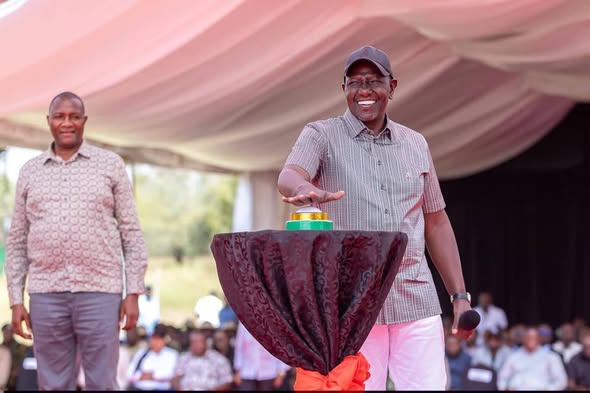
President Dr William Ruto. Photo/Courtesy
By Ruth Sang
Addressing Teacher Shortage and Education Reforms
The government has recruited an additional 24,000 teachers this month in a major move aimed at addressing staffing gaps in public schools across the country. President Dr William Ruto made the announcement on Monday while speaking at Kabiruini Grounds in Nyeri, saying the new hires will ensure that no learner is denied access to education due to a shortage of tutors.
The government increased its budget allocation to the Ministry of Education from Sh500 billion in the last financial year to Sh702 billion this year. Increased funding, according to him, is meant to support education reforms currently going on, especially the transition from the defunct 8-4-4 system to the Competency-Based Education Curriculum (CBEC).
“We have taken concrete steps in reforming our education sector. The Competency-Based Education Curriculum has been refined, and all teachers and stakeholders now fully understand how the transition works,” said Dr Ruto. He noted that the transition from junior school to senior school for the first cohort of learners has been completed this year with the introduction of Grade 10.
The Head of State described education as the most powerful tool for empowering young people, adding that the enhanced allocation reflects the government’s commitment to investing in the future of the country.
NYOTA Programme and Youth Empowerment Drives
President Ruto was speaking during the launch of a NYOTA program on national capital startup opportunities for youth where 6,000 youths from Nyeri, Nyandarua, Kirinyaga and Murang’a were given financial support of Sh25,000 each in the NYOTA Business Support segment. He termed the programme as a turning-point initiative in shipment of youth unemployment from mainstream channels to alternative avenues of self-sustenance.
Nevertheless, as the President insisted that a country judges its growth by how empowered it does to self-reliance its citizens, he added that Kenya’s development can only be competitive on a global scale by employing human capital.
“Kenya must tap into its human capital for us to join the league of developed nations. The largest asset we have as a country is our people. It is more important than gold or currency,” he said, adding that investing in Kenyans is key to sustainable growth.
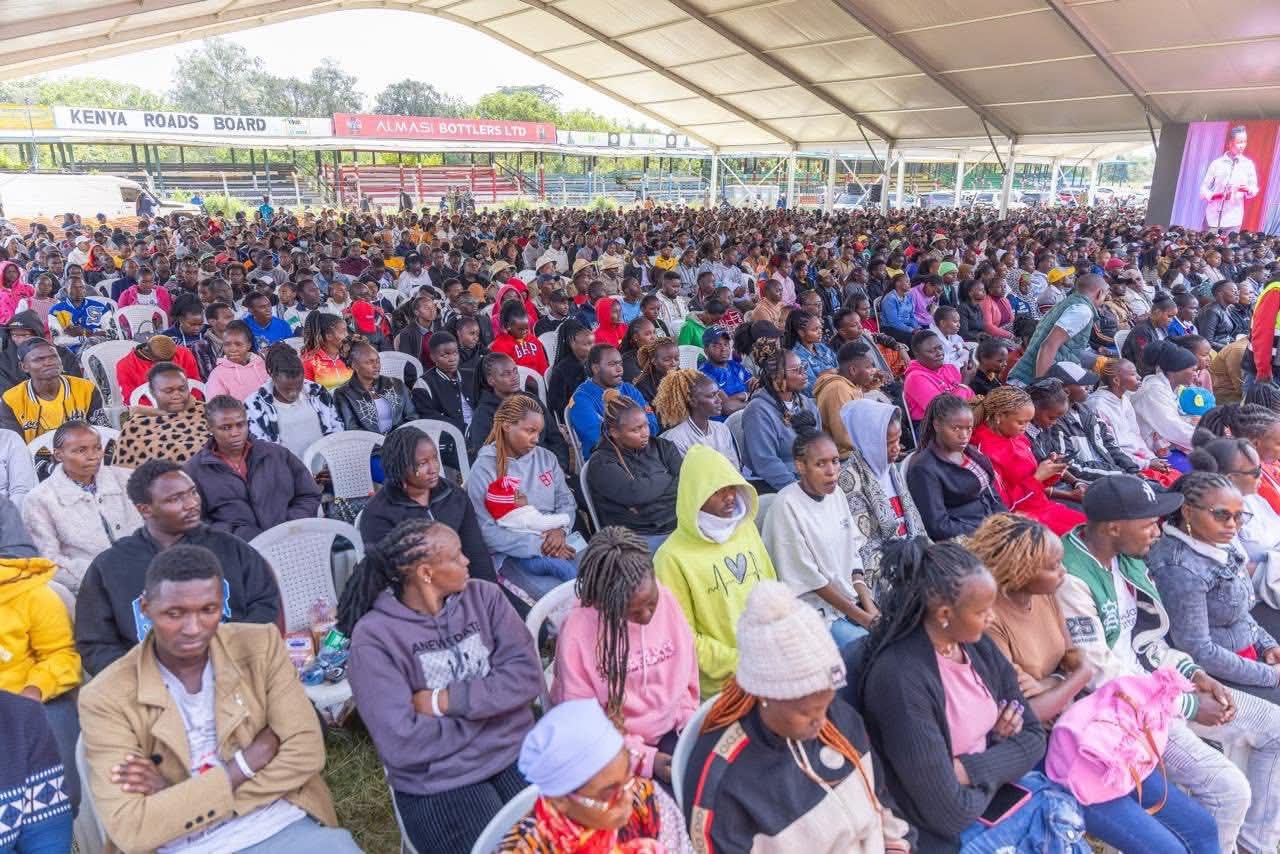
According to Dr Ruto, NYOTA is part of a broader strategy toward addressing the challenges that young people face, and includes Housing Programme, Hustler Fund, Digital Superhighway and Creative Economy. He said that under the programme, the government is targeting 820,000 young people and he urged the eligible youth to take advantage of the opportunity to build a strong economic foundation of their own bottoms.
In addition, he has said that 110,000 young Kenyans will be trained in craft courses, which would give skills for self-employment. At least 20,000 of them will be provided with a Sh6,000 monthly stipend to cater for basic expenses such as transport while attending training.
NYOTA is a five-year Government of Kenya and World Bank initiative aimed at improving youth employability through apprenticeships, entrepreneurship, social enterprises and enhanced financial security. The programme targets 820,000 vulnerable and unemployed youth from 1,450 wards across all 47 counties, with eligible applicants aged between 18 and 29 years, and up to 35 years for persons with disabilities.
The programme is underpinned by three pillars: on-the-job exposure for 90,000 youth, recognition of prior learning to certify informally acquired skills, and business through start-up capital of up to Sh100,000 and training on accessing government tenders.
About Author