AI’s Rise Sparks Dialogue on Ethics, Press Freedom at KCA Regional Forums Across Kenya
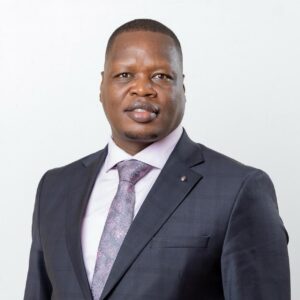
“Artificial intelligence is rapidly transforming how journalists gather, produce, and distribute news. While it brings efficiency and reach, it also poses significant ethical dilemmas and risks to truth and credibility,” Hudson Araka Matara, Chairperson of KCA

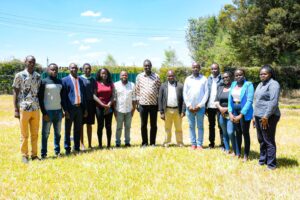
MCK North Rift Coordinator and journalists alongside civil society members pose for a group photo after commemorating World Press Freedom Day – Eldoret Chapter.
By Hubzmedia Reporter
As the impact of artificial intelligence (AI) continues to reshape journalism and media ecosystems globally, the Kenya Correspondents Association (KCA) convened eight regional forums across Kenya between May 5 and 9, 2025, to explore the implications of emerging technologies on press freedom, ethical journalism, and access to information.
The forums, held under the global theme of World Press Freedom Day (WPFD) 2025 — “Reporting in the Brave New World: The Impact of Artificial Intelligence on Press Freedom and the Media” — were supported by the UNESCO Regional Office for Eastern Africa. They took place in Kisii, Kisumu, Turkana, Uasin Gishu, Makueni, Isiolo, Mombasa, and Nairobi, engaging hundreds of journalists, county officials, civil society organizations, and grassroots activists.
“Artificial intelligence is rapidly transforming how journalists gather, produce, and distribute news. While it brings efficiency and reach, it also poses significant ethical dilemmas and risks to truth and credibility,” said Hudson Araka Matara, Chairperson of KCA, speaking at the Kisii forum.
Ethical Use of AI and the Challenge of Misinformation
The regional forums aimed to foster inclusive dialogue around the promise and pitfalls of AI in journalism—from deepfakes and algorithmic bias to its use in investigative reporting and fact-checking. The sessions also explored the rising influence of social media content creators and citizen journalism, while cautioning against unethical reporting, disinformation, and manipulation of online narratives.
“Artificial intelligence is shaping our content and, by extension, public opinion. Journalists must remain vigilant and committed to ethics in the digital space,” said Esther Kamweru, former CEO of the Media Council of Kenya and a veteran journalist, while addressing the Nairobi forum.
The forums included sensitization sessions for Social Media 4 Peace (SM4P) partners, focusing on ethical digital content creation, responsible online engagement, and accountability frameworks to combat hate speech and fake news — particularly in regions where social media is a primary news source.
“We must ensure that AI supports journalism, not replaces its core values. Ethical storytelling, editorial rigor, and public interest should remain our guiding lights,” emphasized Ken Bosire, veteran editor and media trainer.
Elevating Rural Voices, Promoting Media-Government Dialogue
In keeping with KCA’s decentralization strategy adopted in 2018, the forums prioritized engagement with rural-based journalists, community organizations, and county government officials, encouraging collaborative strategies to strengthen press freedom at the grassroots level.
“This model ensures that rural journalists and citizen groups are part of the national conversation on freedom of expression and access to information,” noted Matara.
County and national government representatives present at the forums praised the initiative and called for structured and regular engagement between the media and public institutions.
Journalists at the forums also raised concerns over increasing threats and violations, particularly during coverage of politically sensitive events like the Gen Z protests in 2024, where several reporters faced violence, intimidation, and denial of access to public information. These incidents mirror concerns raised in recent reports by Article 19 Eastern Africa and the Committee to Protect Journalists (CPJ), which highlight Kenya’s growing challenges around journalist safety and press independence.
Building a Resilient and Inclusive Media Ecosystem
Speakers across the forums emphasized the need for training on AI tools, improved access to digital resources, and structured mentorship programs to build a resilient and ethical media environment, particularly for young journalists and those working outside urban centers.
Other recommendations from the forums included:
- Strengthening legal protections for journalists, especially in counties;
- Promoting intergenerational mentorship in the media sector;
- Facilitating access to public data for more accurate and impactful reporting;
- Creating safe spaces for dialogue between media, CSOs, and government agencies.
“We must foster intergenerational knowledge-sharing and ensure that digital transformation does not widen the gap between veteran and upcoming journalists,” said a CSO leader during the Turkana forum.
According to the 2024 World Press Freedom Index by Reporters Without Borders, Kenya ranks 105 out of 180 countries, reflecting persistent concerns around digital threats, legal barriers, and shrinking civic space. The KCA forums are seen as part of broader efforts to push back against these threats through education, awareness, and grassroots partnerships.
A Call for Sustained Collaboration
KCA urged all stakeholders — journalists, civil society, tech platforms, and government institutions — to work together in safeguarding press freedom while adapting to the rapidly evolving digital landscape.
“These forums are more than just conversations. They are building blocks for a more informed, ethical, and accountable media sector. We thank UNESCO and all our partners for supporting this mission,” said Matara.
As AI continues to redefine journalism, Kenya’s media community is pushing for a future where technology serves truth, and where freedom of expression is both protected and responsibly practiced.
About Author