African Nations Urged to Act on Illegal Fishing in the Indian Ocean
He added that the second phase will begin next year to attend to the gaps identified by member states.
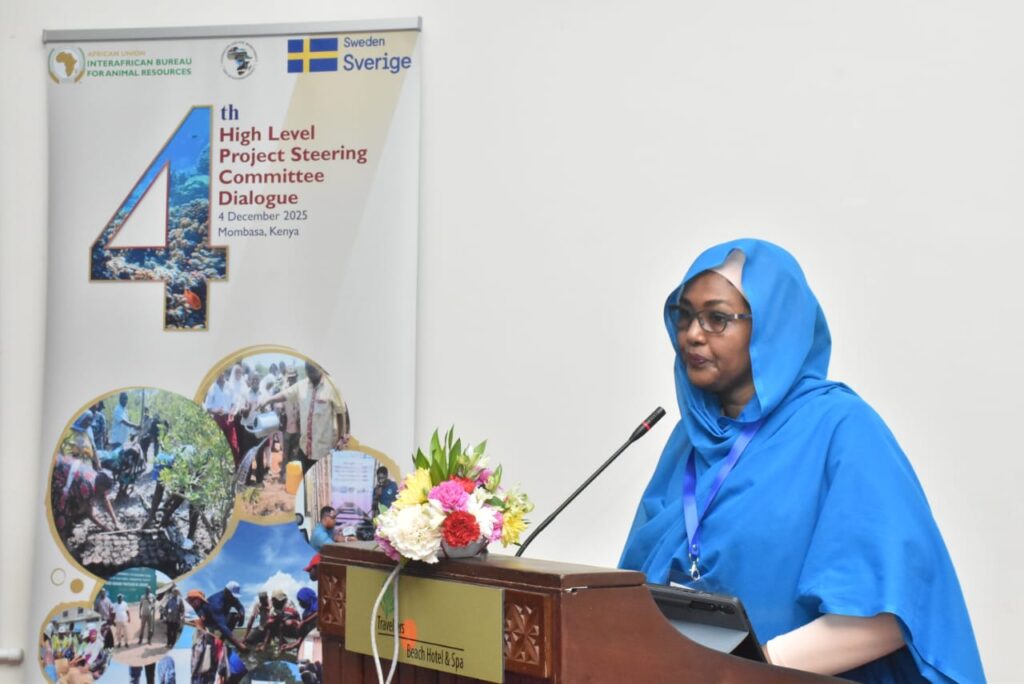
Ms. Stella Mbabazi, the representative of COMESA, reminded participants that regional collaboration is key in how shared water resources are managed. Photo/Courtesy
By Ruth Sang
There are renewed calls for stronger action to safeguard marine resources from AU member states, regional economic communities, development partners, and leading conservation and research institutions amid reported illegal, unreported, and unregulated fishing that continues to threaten the Indian Ocean and key inland water bodies.
Speaking in Mombasa during the Fourth Project Technical Committee meeting organised by the African Union – InterAfrican Bureau for Animal Resources, the organisation’s director, Dr. Huyam Salih, underscored that protection of Africa’s rivers, lakes, wetlands and marine ecosystems was critical for the sustainable development of the continent. She said sustainable management of aquatic environments must be treated as a socioeconomic priority rather than an environmental afterthought.
Overfishing and the usage of illegal means of fishing are the biggest concerns, but the lack of capacity in different countries has remained an obstacle to the fight against malpractice in the oceans, said Dr. Salih. She added that aquatic biodiversity forms a strategic pillar for food security, climate resilience, employment, and long-term economic transformation.
Dr. Salih observed that IUU fishing operations continue to take advantage of the weak MCS systems across many African coastal states, and those gaps make it quite difficult to identify vessels, verify their authorization status, and enforce regulations to enable illegal operators to fish with little fear of being caught. “Without effective surveillance, it is extremely difficult to identify vessels, determine their authorization status, and enforce regulations. This means illegal fishing vessels can operate with minimal risk of being caught or penalized, “she explained.
The Director of Fisheries and Aquaculture Development in the Ministry of Mining, Blue Economy and Maritime Affairs, Mahongah Joseph, reiterated these concerns, stating that illegal fishing, plastic pollution and climate change are major challenges to Africa’s emerging blue economy. He disclosed that the Kenyan government has finished its blue economy strategy that will be launched soon. The strategy will help address marine overexploitation, reduce pollution in the Indian Ocean, while strengthening climate change mitigation measures.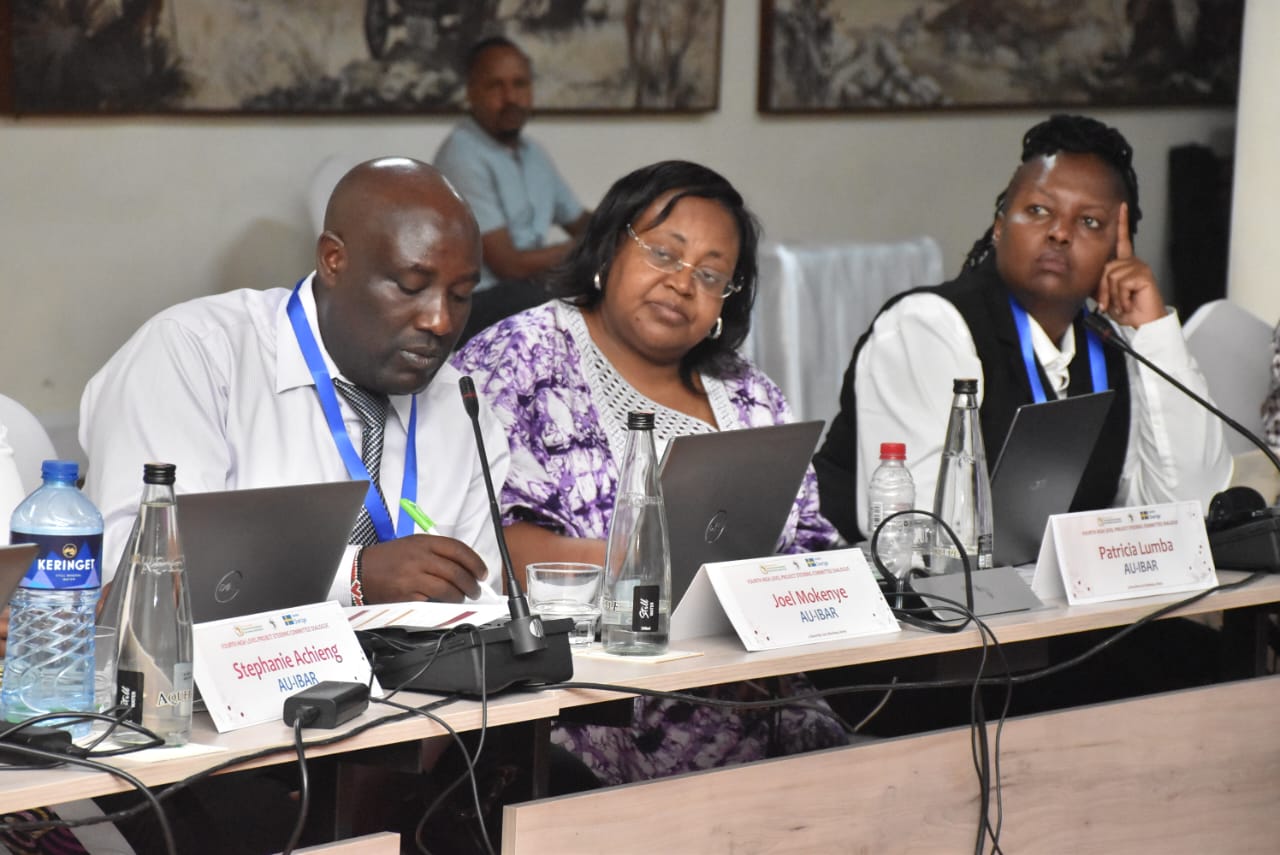
“We are finalising the editorial bit of the strategy, and it will help in addressing the increasing challenges in the ocean apart from those affecting women and youth who play key roles in various blue economy projects,” Mr. Joseph said.
Ms. Stella Mbabazi, the representative of COMESA, reminded participants that regional collaboration is key in how shared water resources are managed. She said members need harmonized policies, shared scientific research, and enforcement coordination to ensure sustainable management of transboundary lakes, rivers, and marine ecosystems. Mbabazi stated that COMESA keeps promoting regional trade in fisheries and products, sustainable value chains, and cross-border ecosystem governance in fulfillment of the AU’s Blue Economy Strategy and the AfCFTA. AU-IBAR fisheries management and blue economy expert Mohamed Seisay noted that the first phase of the project had aimed at enhancing institutional capacities toward the reduction of illegal fishing, inclusion of gender, and protection of marine ecosystems. He added that the second phase will begin next year to attend to the gaps identified by member states. Seisay warned that the rising habitat encroachment poses a growing threat to marine resources that needs urgent attention.
About Author