Residents of Kipsimo Warned Against Misuse of Antibiotics
This widespread misconception not only endangers human health but also compromises the safety of food products consumed in the community.
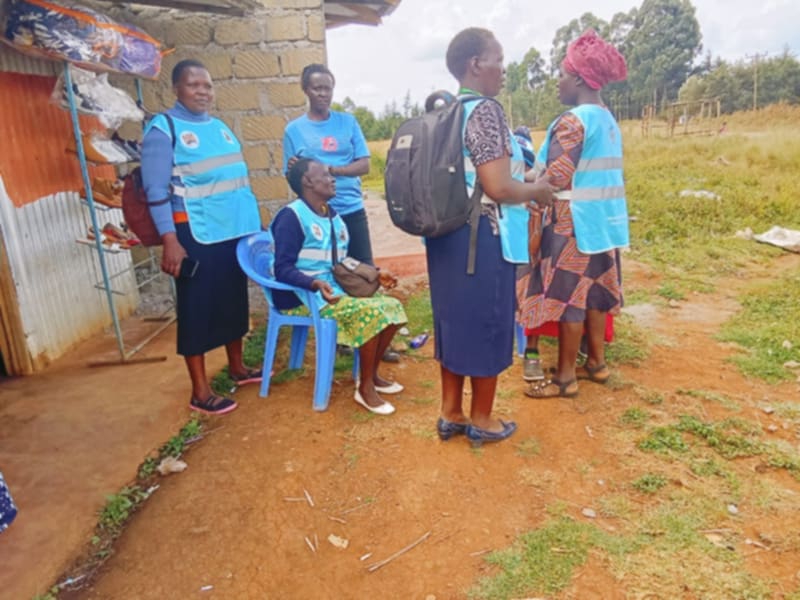
Community Health Promoters with Red Cross educating the residents on the dangers of using antibiotics.
By Jessica Nyaboke
Residents of Kipsimo in Kesses Subcounty, Uasin Gishu, have been cautioned against the misuse of antibiotics due to the serious health risks associated with the practice.
During a sensitization meeting held in the area, it emerged that many locals fail to complete their prescribed antibiotic doses and instead repurpose leftover medication for non-medical uses, such as treating flu in chickens.
This widespread misconception not only endangers human health but also compromises the safety of food products consumed in the community.
A local resident, Sarah Maiyo, admitted to storing large quantities of antibiotics at home.
She expressed concern over the potential harm this habit may have caused to her health. “I worry about how these drugs may have become toxic in my body due to misuse,” she said.
Community volunteers at the meeting emphasized the importance of completing prescribed antibiotic courses to combat the growing threat of antimicrobial resistance (AMR).
They used creative approaches, such as drama, to effectively convey the dangers of improper antibiotic use without instilling fear.
Volunteer Sally Chebet acknowledged the challenges of educating the public on this critical issue. “It’s an uphill task, but we are committed to reaching people even in shopping centers to spread awareness,” she explained.

A spot check by local media revealed that while many residents are wary of consuming vegetables sprayed with chemicals, they frequently consume meat, such as mutton, from animals exposed to antibiotics.
The gravity of antimicrobial resistance was underscored by alarming statistics shared during the meeting. Over 37,000 people die annually due to AMR-related complications.
According to Dr. Paul Olale, the issue has significantly impacted healthcare, with patients developing resistance to medications, leading to prolonged hospital stays and increased susceptibility to secondary infections.
“Patients incur huge medical bills due to AMR. It not only complicates their recovery but also exposes them to further infections acquired in healthcare facilities,” said Dr. Olale.
He also highlighted how AMR exacerbates other critical health conditions, including kidney disease, cardiovascular disorders, diabetes, and injuries from road accidents, all of which weaken the immune system further.
Dr. Olale urged the community to adhere strictly to prescribed medical guidelines when using antibiotics to prevent risking their lives.
The sensitization campaign underscores the need for collective action to address antimicrobial resistance, a growing global health crisis.
By fostering awareness and encouraging responsible antibiotic use, stakeholders hope to reduce the prevalence of AMR and its associated risks.
About Author