Understanding musculoskeletal tuberculosis (Pott’s Diseases)and Its Causes
Pott’s disease primarily affects the thoracic and lumbosacral spine, leading to bone destruction, deformity, and paraplegia

Skeletal tuberculosis (TB) refers to TB involvement of the bones and/or joints. Musculoskeletal TB accounts for 10 to 35 percent of cases of extra pulmonary tuberculosis and for almost 2 percent of TB cases overall./Med Face-Medical Information
Pott’s disease, a form of musculoskeletal tuberculosis, poses a significant health risk. In Kenya, awareness remains limited due to its rarity, with few reported cases across various hospitals in the country.
Pott’s disease primarily affects the thoracic and lumbosacral spine, leading to bone destruction, deformity, and paraplegia. Diana Musundi, a 21-year-old from Nairobi, shared her experience with this ailment. “Last October, I began experiencing sharp back pain during routine activities. Initially dismissing it as common fatigue, I sought medication from a local chemist, finding temporary relief. However, the pain resurfaced, prompting a visit to Kapsabet Referral Hospital and later to Nairobi for work in September 2022.”
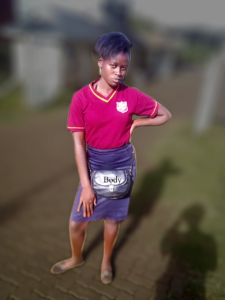
Diana’s condition worsened, and conventional treatments proved ineffective, leading to her hospitalization in August this year. She recounts, “Unable to endure the pain, I sought immediate medical attention and was diagnosed with Pott’s TB disease through an MRI at Kenyatta Hospital.”
Experts identify risk factors such as prolonged exposure to infected individuals, immunodeficiencies (HIV, alcohol, drug abuse), and overcrowded living conditions. Dr. Kenneth emphasizes that malnourished individuals in poverty-stricken areas face heightened vulnerability, as contaminated food or water may carry the bacteria causing Pott’s disease. BCG vaccination is recommended for infants in endemic TB regions or at high risk of exposure.
Doctors advise individuals in crowded professions, such as journalists, conductors, bankers, supermarket attendants, cashiers, and drivers, to take precautions. Wearing masks, avoiding crowded spaces after work, and seeking regular health check-ups are crucial preventive measures.
Despite the unfamiliarity with Pott’s disease, its impact is significant. Back pain is often ignored, and individuals working in high-risk environments are urged to prioritize their health through frequent medical check-ups and mask usage.
Dr. Kenneth Koech assures that early detection ensures successful treatment with surgery and anti-tuberculosis drugs, minimizing the risk of deformity and nerve damage.
Report by Jesse Abisheck
Email: abijessyshi@gmail.com
About Author