The Vital Role of Scavengers: Hyenas and Vultures!
-they help prevent the eruption and spread of epidemic diseases that could affect both animals and humans.-
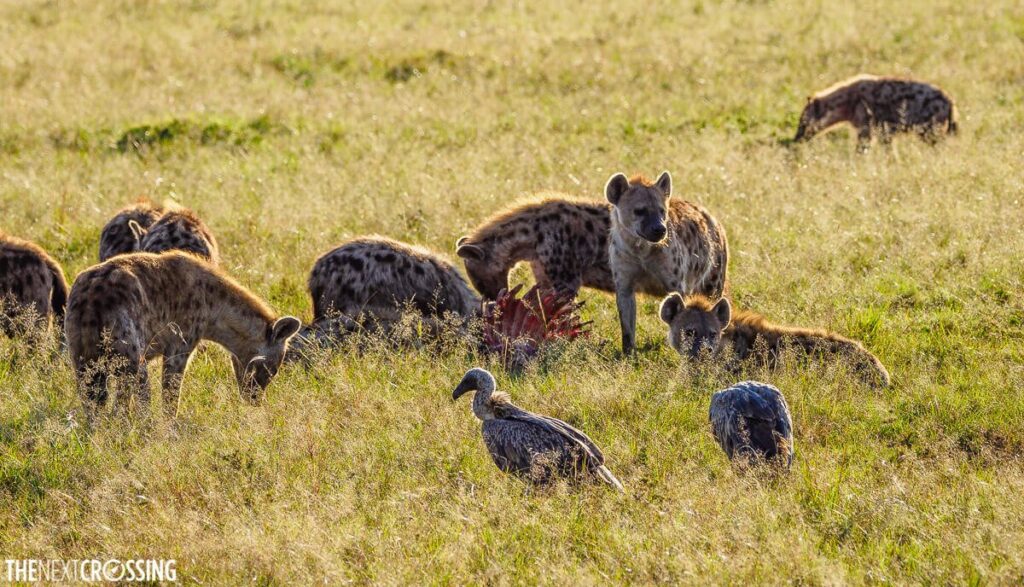
Image Courtesy
When we think of hyenas and vultures, we often conjure images of cunning and opportunistic animals in the animal kingdom. They’re sometimes labeled as nature’s thieves, known for their penchant for stealing food from other animals. However, it’s crucial to recognize that hyenas and vultures play significant roles in nature and the wild, contributing to the balance of ecosystems.
Among the four species of hyenas, the spotted hyena, scientifically known as Crocuta, stands out as the largest, most widespread, and perhaps the most misunderstood. With its scruffy fur, hunched back, and wide, drooling grin, it’s often referred to as the laughing hyena.
In the wild, when animals like lions, leopards, or wild dogs make a kill, hyenas and vultures are quick to seize opportunities. They scavenge for food, either stealing the kill or consuming carcasses to satisfy their hunger. This scavenging behavior may seem opportunistic, but it serves a vital ecological purpose.
Hyenas and vultures provide a critical service in the wild by efficiently stripping carcasses down to the bones. In doing so, they help prevent the eruption and spread of epidemic diseases that could affect both animals and humans. Diseases such as malaria, dengue fever, measles, cholera, and diarrhea can pose significant threats to populations within specific regions and communities.
Scavengers like hyenas and vultures play their part by disposing of animal remains promptly. This scavenging behavior helps maintain a healthier ecosystem, reducing the risk of disease transmission. Hyenas and vultures are known to devour as much as a fifth of their body weight in a single meal, which can amount to one or two kilograms, occasionally hindering their mobility.
To protect these crucial species and mitigate human-wildlife conflicts, it’s imperative to raise awareness and educate people on the reasons not to harm hyenas and vultures. Establishing designated wildlife sanctuaries can keep these animals away from human activities while safeguarding their habitats. Additionally, funding scientific research to further understand their roles in ecosystems and food chains is essential for their conservation.
In conclusion, hyenas and vultures may be seen as opportunistic scavengers, but they are indispensable components of nature. Their role in maintaining ecological balance and reducing the risk of disease outbreaks should be acknowledged and protected.
Authored by: Jesse Abisheck
Contact Email: abijessyshi@gmail.com
Social Media: Website – x.com/Jesseabisheck
Instagram – instagram.com/Jesseabisheck
About Author