From Contemplating Dropping Out to Graduation: How Eldoret National Polytechnic’s Crèche Is Changing Lives of Student Mothers
“My performance in school has really improved since my child started receiving care at the crèche. Previously, I had even contemplated deferring my studies or dropping out to concentrate on motherhood” Alice Atieno

Alice Atieno, a Tourism and Travel Management student at Eldoret National Polytechnic, is among hundreds of trainees expected to graduate on Monday. The 23-year-old, who has a six-month-old baby, says the institution’s childcare facility helped her balance motherhood and studies, overcome thoughts of dropping out and complete her training.
By James Gitaka
At 23, Alice Atieno was once faced with a difficult choice: continue pursuing her dream of becoming a professional in the tourism industry or put her education on hold to concentrate on raising her child.
With a six-month-old baby and the demands of her Tourism and Travel Management course, balancing motherhood and academic responsibilities had become increasingly difficult.
The possibility of deferring her studies, or even dropping out altogether, had crossed her mind as she struggled to find reliable childcare while attending classes and completing academic assignments.
But a childcare facility established at Eldoret National Polytechnic changed that trajectory, giving her an opportunity to remain in school while ensuring her baby received proper care.
Today, as she prepares to graduate with her classmates in the institution’s Class of 2026, Alice describes the experience as a significant personal achievement.
“My performance in school has really improved since my child started receiving care at the crèche. Previously, I had even contemplated deferring my studies or dropping out to concentrate on motherhood. Finally, I am graduating. This is a great achievement, and I thank Eldoret National Polytechnic for supporting me,” she says.
For Alice, the facility has provided more than childcare. It has restored the possibility of completing an education she once feared might be interrupted by the responsibilities of motherhood.
Her experience reflects a broader challenge facing young mothers in technical and vocational education and training (TVET) institutions, where the demands of academic programmes, practical assessments and childcare can become difficult to reconcile.
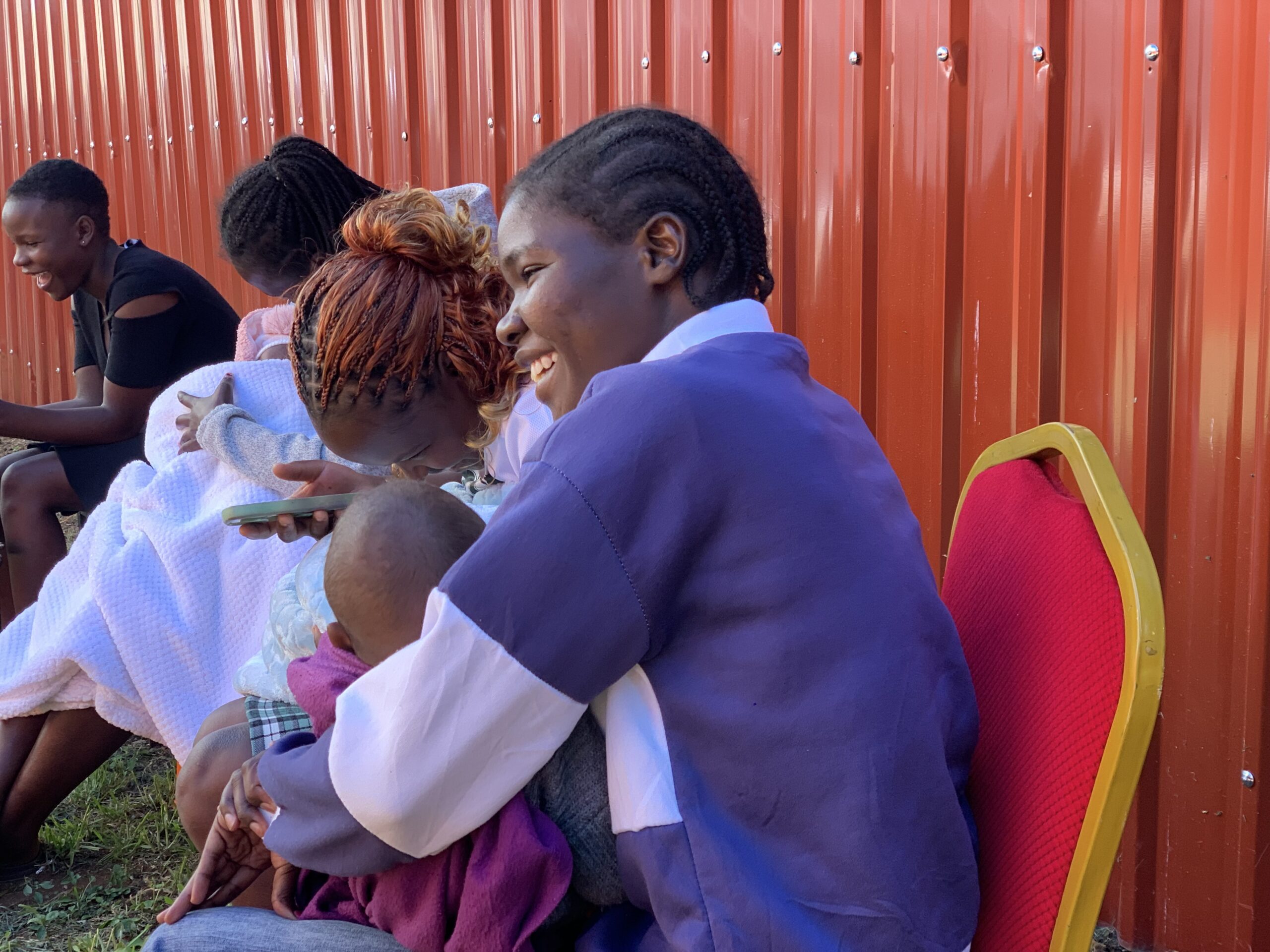
At Eldoret National Polytechnic, however, the institution has taken deliberate steps to address the challenge by establishing a crèche that accommodates children of both student mothers and breastfeeding staff.
The facility provides a supervised environment where mothers can leave their children as they attend lectures, undertake practical training and participate in assessments without constantly worrying about their children’s safety.
For 22-year-old Gertrude Mboga, the initiative has offered reassurance that becoming a mother does not have to delay her educational ambitions.
She says she has always dreamed of becoming a career woman and feared that motherhood could disrupt the plans she had made for her future.
With the support provided by the institution, Gertrude says she can continue pursuing her education while fulfilling her responsibilities as a mother.
She credits the institution for recognising the unique challenges facing young student mothers and creating an environment that allows them to remain focused on their studies.
Her experience underscores the importance of institutional support systems in ensuring that young women are not forced to abandon their educational aspirations because of circumstances associated with motherhood.
A response to a difficult reality
The need for such support became particularly evident to caregivers at the facility, who say some mothers had previously struggled to secure safe and reliable childcare.
Rahab Maina, a caregiver at the centre, recalls cases that exposed the risks associated with leaving young children with caregivers outside the institution.
She recounts an incident involving a child who was brought to the facility with burn injuries, after the mother had reportedly left the baby under the care of an external provider.

“Before this facility was established, many students struggled to balance their studies and childcare. I remember one mother who brought her child with burn scars after leaving the baby with an outside caregiver. She was so distressed that she almost gave up on her education to concentrate on raising her child,” Maina says.
She adds that the same mother has since regained confidence and is continuing with her studies, knowing that her child is receiving care within the institution.
For Maina, the experience demonstrates how access to reliable childcare can influence not only a mother’s academic progress but also her peace of mind and confidence in continuing her education.
The facility has consequently become an important support system for mothers who would otherwise face difficult choices between attending classes and meeting their children’s immediate needs.
Institutional commitment to access and equity
The initiative is part of Eldoret National Polytechnic’s broader efforts to promote access and equity in technical and vocational education by recognising that learners have different circumstances and support needs.
Chief Principal Dr Koech Charles says the institution established the crèche after recognising the need to ensure that motherhood does not prevent young women from accessing and completing their training programmes.
He says the initiative is aligned with the TVET sector’s reform agenda, which places emphasis on expanding access to technical training while promoting equity.

“One of the TVET reforms’ agendas is improving access to TVET education, and related to that is also promoting equity. As an institution, we felt there was an urgent need to provide an opportunity for mothers to continue accessing their programmes even when they have young babies to breastfeed,” Dr Koech says.
He explains that the decision to establish the crèche was informed by the need to provide practical support to mothers whose academic programmes had previously been interrupted by childcare responsibilities.
The facility, he says, has enabled some students to resume training and participate in critical academic activities, particularly assessments that require physical attendance.
“We have seen mothers who may have had their programmes interfered with being able to access the training, especially during the assessment period when it is required that they be physically present and undertake the assessments,” he says.
The principal adds that the initiative is not restricted to students, but also accommodates members of staff who are breastfeeding.
To strengthen the programme, the institution has appointed an officer responsible for gender mainstreaming to advocate for initiatives that recognise and address the needs of mothers within the learning environment.
Dr Koech also acknowledges the institution’s Governing Council for supporting the initiative and providing the infrastructure required to establish the facility.
He says the institution will continue investing in an environment that accommodates trainees regardless of their personal circumstances.
Importantly, he notes that some of the mothers who benefited from the crèche are among those graduating in the Class of 2026.
“We will be celebrating their success and joy as an institution and as individuals. We want to reiterate our commitment to continuing to provide an environment that is conducive for all trainees, regardless of the circumstances they are going through,” he says.
A regional example ahead of new legislation
The institution’s intervention has also drawn attention following the enactment of the Breastfeeding Mothers Act, 2024, which President William Ruto assented to on November 26, 2026.
The legislation introduces stronger protections for breastfeeding mothers, particularly in workplaces, by requiring employers to provide suitable lactation facilities, reasonable breastfeeding breaks and opportunities to request flexible working arrangements.
It also seeks to protect women against discrimination arising from pregnancy, childbirth and breastfeeding, while requiring baby-changing facilities in qualifying public and private buildings.
The National Assembly passed the Bill on October 14, 2026, following consideration and amendments. Its provisions are intended to address workplace barriers that can force women to interrupt breastfeeding or leave employment because of inadequate support.
Eldoret National Polytechnic’s childcare initiative, however, goes beyond the provision of breastfeeding spaces by addressing the practical childcare challenges that can affect mothers pursuing technical education.
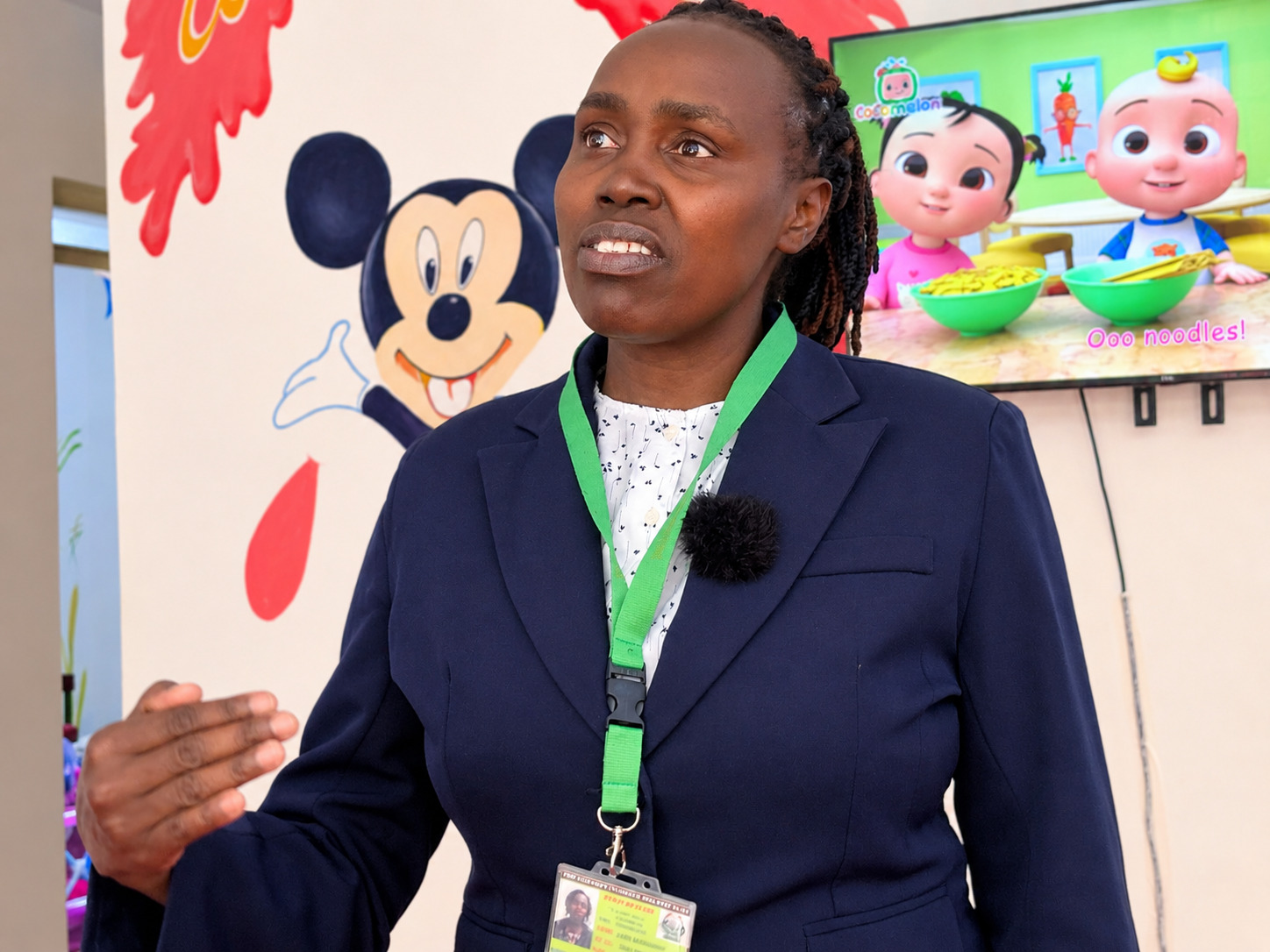
Jane Marindich, the institution’s Deputy Dean of Students and Gender Lead, says the facility has supported both trainees and trainers, positioning the polytechnic as a regional example in recognising the needs of breastfeeding mothers.
She notes that the institution had already taken steps to accommodate mothers before the new legislation received presidential assent.
According to Marindich, the intervention reflects an institutional commitment to ensuring that motherhood does not become a disadvantage in accessing education and professional development.
She says the crèche has helped create a more supportive learning environment, allowing mothers to continue their programmes while their children receive care within the institution.
Her assessment highlights the importance of translating commitments to gender equality and inclusive education into practical interventions that directly respond to the experiences of learners.
The bigger picture: Expanding access to TVET
The need for such interventions comes against the backdrop of growing enrolment in Kenya’s technical and vocational education sector.
According to the Kenya National Bureau of Statistics’ Economic Survey 2026, enrolment in TVET institutions increased by 17.3 per cent to 825,484 trainees in 2025, up from 703,680 in 2021.
The rising enrolment underscores the expanding role of technical and vocational institutions in equipping young people with practical skills for employment, entrepreneurship and economic development.
However, expanding access also requires institutions to address barriers that may prevent particular groups of learners from enrolling, participating fully or completing their training.
For young mothers, access to childcare, supportive institutional policies and gender-responsive learning environments can make the difference between completing a qualification and abandoning an educational journey.
Eldoret National Polytechnic’s experience illustrates how targeted institutional interventions can complement broader government efforts to make TVET education more accessible and equitable.
For Alice, Gertrude and other mothers who have benefited from the facility, the impact is already evident in their ability to continue learning and work towards graduation.
Their stories demonstrate that inclusive education is not simply about opening admission opportunities. It is also about recognising the realities learners face and providing the support necessary for them to succeed.
As the institution prepares to celebrate its graduating mothers in the Class of 2026, its childcare centre offers a practical example of how investing in the needs of learners can help protect educational aspirations, support families and advance equal opportunities in technical and vocational training.
About Author