Lake Victoria Pollution Alarm Grows as Soil Erosion Threatens Water Quality
The Lake Victoria Basin spans across Kenya, Uganda and Tanzania. The lake is fed by several rivers from Rwanda and Burundi.
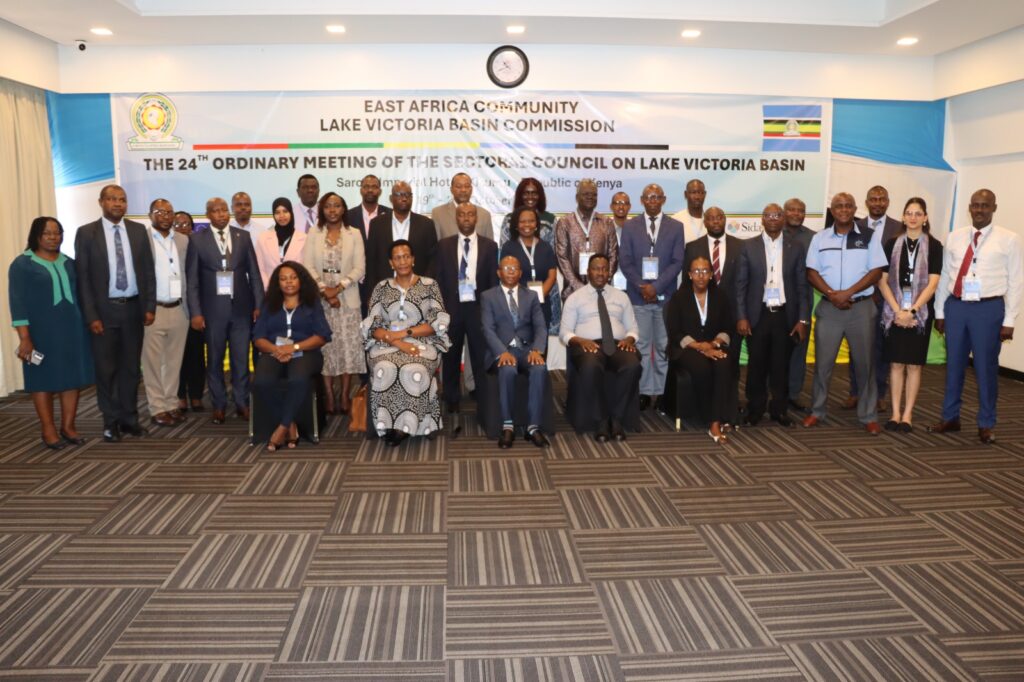
Participants pose for a group photo. Photo: Courtesy.
By Grace Wafubwa
Pollution in Lake Victoria fears have risen due to excessive soil erosion in riverbanks, threatening the source of clean water to over 47 million people across East Africa.
The Lake Victoria Basin spans across Kenya, Uganda and Tanzania. The lake is fed by several rivers from Rwanda and Burundi. This means with all the organisations in the area suffering from environmental issues, there are calls for changes to be made.
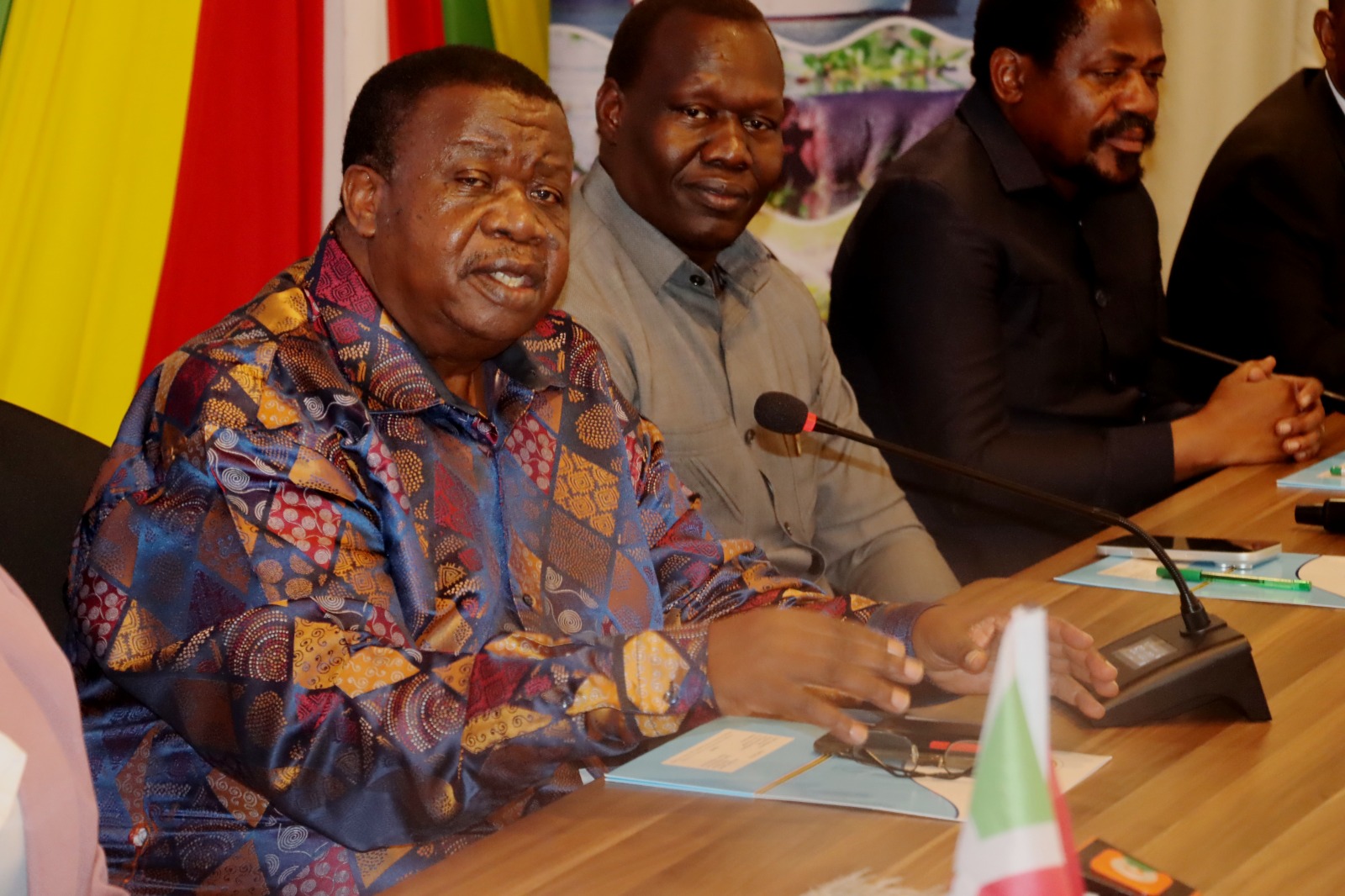
Cultivation of riverbanks, incorrect disposal of toxic waste and trespassing on wetlands are causing problems for protecting Lake Victoria, according to Major General Kahinda Otafiire, Uganda’s Minister for Water and Environment.
The comments were made at a four day consultation meeting in Kisumu between representatives from East African Community member states.
Leaders from the region came together to discuss ways to improve the water quality, sustainable fishing, restoration of catchment areas and ensure the lake can be sustained long term.
“I have never heard of brown rain in this area. Anytime there is rain, it is clear but when the water gets to the lake it turns brown due to soil erosion,” said Otafiire.
Soil gets into the water by erosion causing increased sedimentation. Toxic waste and untreated water also causes additional pollution.
Saving the Rivers
Lake Victoria relies on the water being transported against it via rainfall. Vegetation along the sides of the rivers has been removed leaving soil exposed to erosion.
Otafiire called out farmers cultivating too close to rivers which is contributing to the problem.
“We’re suffering with lots of soil erosion because our people are not disciplined and are growing right up to the banks of rivers.” He added.
Vegetation helps stop erosion and remove pollutants from the water. With this vegetation being taken away, soil can enter the rivers with the rain.
He said we should aim to restore the feeder rivers, catchment areas and grow more trees.
Further, he mentioned we should ensure we did not missuse wetlands.
Wetlands help by cleaning pollutants from the water. Destroying them may cause issues.
Regional Efforts
Because it is an international basin, all five countries need to work together to protect the environment.
The lake is shared between Kenya, Uganda and Tanzania. However, Rwanda and Burundi also contribute to the lake.
During the meeting in Kisumu, leaders highlighted how it was essential to work together to improve catchment areas, reduce waste issues and encourage sustainable lifestyles.
If the rivers contributing to Lake Victoria continue to deteriorate, it may affect how much water we can get from the lake in the future, Otafiire commented.
“Unless we are able to really ensure the rivers coming into Lake Victoria are looked after, we will end up polluting it and it will run out. Once the rivers run out, the lake levels will go down,” he said.
However, there are various factors that influence lake levels meaning it is important to ensure the feeder rivers are protected.
This concern highlights the importance of protecting other international reservoirs like Lakes Tanganyika, Albert, Edward and Kivu.
Sustainable Fishing
During the meeting, leaders also discussed how to ensure fishing is sustainable.
Leaders highlighted how it is important to get people living around the lake to use hygienic practises. This will ensure the lake isn’t negatively affected from fishing.
It was also mentioned how we need to ensure we have other sources of income. This will help reduce pressure on agriculture.
Improved transport was also discussed with Tanzania adding a boat to Lake Victoria.
Although this gives us opportunities to truly get the most out of the lake long term, we need to maintain a healthy aquatic environment.
If the water quality falls and the fish habitats are damaged, it may cause issues with the fishing, public health and create more pressure on those who rely heavily on it.
Improved Environmental Protection
During the four-day consultation meeting it became clear that we need to improve environmental protection. We need to ensure waste is reduced, rivers are restored, wetlands are restored and ensure environmental laws are enforced.
However, it will be a challenge to make sure each country does what they have committed to do.
Governments need to invest in sanitation, control waste from industry and homes and ensure riverbanks are protected. We also need to help communities live sustainably.
It is also essential to raise awareness so everyone in the area helps protect the environment.
Over 47 million people rely on the Lake Victoria Basin.
Protecting Lake Victoria is essential to ensure the wellbeing of millions of people.
Ultimately, if governments and communities work together to restore the rivers, wetlands and catchment areas, we can ensure the lake stays healthy long term as requested by regional leaders.
About Author