Agrochemical Association Calls for Public Release of Amboseli Elephant Deaths Probe
The association’s position comes amid an ongoing debate involving wildlife authorities, agricultural stakeholders and conservation groups over what caused the deaths.
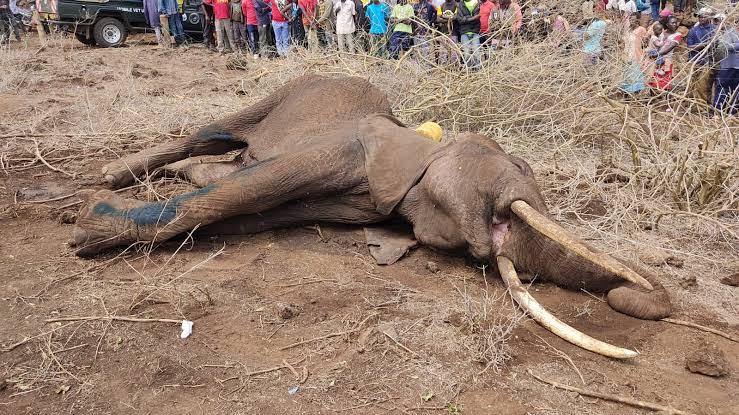
Agrochemicals Association of Kenya calls for the release of investigation findings into the deaths of elephants in the Amboseli ecosystem. Photo: Daily Nation.
By Robert Mutasi
The Agrochemicals Association of Kenya has called for the findings of investigations into the deaths of elephants in the Amboseli ecosystem to be made public, saying more evidence is needed before agricultural chemicals are linked to the wildlife deaths.
The association, through its aak-GROW initiative, has urged authorities to release the findings of the multi-agency investigation examining the circumstances surrounding the deaths.
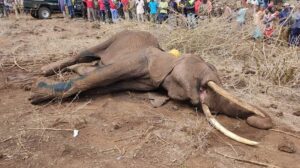
The call comes after the deaths of at least 18 elephants in the Amboseli ecosystem raised concerns over possible poisoning. A multi-agency team involving the Kenya Wildlife Service, Directorate of Criminal Investigations and National Intelligence Service has been investigating the deaths, with two farmers previously arrested in connection with the suspected poisoning.
Initial investigations raised the possibility that the elephants had been exposed to a toxic substance. Preliminary analysis by the University of Nairobi detected a potential toxic substance in samples from some of the animals, although further testing was required to determine its concentration, significance and source.
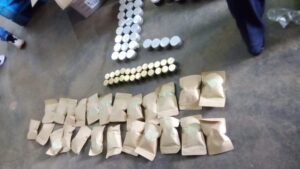
The Kenya Wildlife Service has also investigated whether pest control products or other agricultural chemicals could have been improperly used, stored or disposed of in areas around Kimana, Kuku, Kitenden and the wider Amboseli ecosystem. The investigation has also considered possible contamination of water, soil and vegetation.
However, questions have remained over the evidence linking the deaths directly to agricultural chemicals.
The association’s position comes amid an ongoing debate involving wildlife authorities, agricultural stakeholders and conservation groups over what caused the deaths.
Earlier reports indicated that some elephants displayed similar symptoms, including partial paralysis, before dying within one or two days. The affected animals were mainly adult females and calves, while deaths were reported in areas including Amboseli National Park, Kimana Sanctuary and Kuku Ranch.
Laboratory testing has produced differing findings. While preliminary analysis by the University of Nairobi detected a possible toxic substance, initial tests by the government chemist did not detect the toxins that had been examined. Authorities subsequently pursued additional testing and examined possible environmental sources.
The investigation has also considered whether other factors could have contributed to the deaths. The Kenya Wildlife Service said it was examining the possibility of exposure to giant star grass, a plant species capable of producing cyanogenic compounds, alongside other environmental factors.
The issue has attracted wider public attention because of the ecological importance of the Amboseli ecosystem and its large elephant population.
The deaths have also raised questions about the relationship between wildlife and farming activities in areas surrounding the protected ecosystem, where animals move through community land and agricultural areas.
The Agrochemicals Association’s call for publication of the investigation findings is expected to add pressure for greater clarity over the evidence collected and the conclusions reached by investigators.
A public report could also help distinguish confirmed findings from preliminary laboratory results and establish whether agricultural chemicals played a role in the deaths.
As investigations continue, authorities face the task of determining the precise cause of the elephant deaths while addressing concerns from conservationists, farmers and the agricultural sector.
The final findings are expected to provide further information on the substance or environmental factor responsible, the possible exposure route and whether any regulations were breached.
About Author