PCEA Explains How Loans on Milele Beach Hotel Grew into a Financial Crisis
Others took issue with remarks that appeared to equate financial support for the hotel with giving to God.
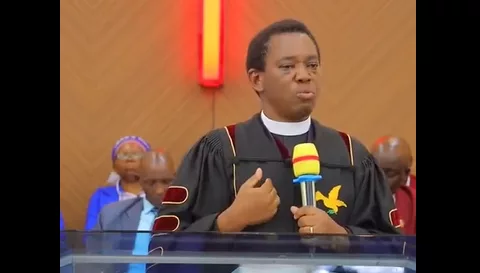
Photo: Courtesy.
By Robert Mutasi
The Presbyterian Church of East Africa (PCEA) has given a detailed account of how loans taken to expand Milele Beach Hotel in Mombasa ballooned into a debt that now threatens the property with receivership.
The explanation follows public backlash after the church appealed for Sh700 million to rescue the hotel. A viral video of clergy asking members to contribute sparked online criticism, with some questioning why church funds should support a commercial venture instead of core religious and community programmes. Others took issue with remarks that appeared to equate financial support for the hotel with giving to God.
Responding to the criticism, PCEA Secretary General Robert Waihenya attributed the crisis to a combination of terrorism attacks, the Covid-19 pandemic, court awards to buyers and accumulated loan interest. He also described the situation as a form of spiritual warfare.
Waihenya said the current leadership inherited the problem. The property, previously owned by one of the church’s elders, was acquired many years ago. In 2010, the then management took a Sh650 million loan to construct 85 modern apartments intended for off-plan sale to boost the hotel’s revenue. Each unit was expected to cost between Sh20 million and Sh25 million.
The project was disrupted by a series of terrorism attacks along the Coast. About 20 buyers had already paid deposits. With construction incomplete, the loan continued to accrue interest and penalties. Despite the church paying about Sh13 million every month, the outstanding balance did not reduce significantly.
By the time security improved, the hotel was operating only about 10 of its 80 rooms and was no longer self-sustaining. Completing the apartments through a contractor was quoted at Sh70–80 million. The church instead used local masons and finished the work for about Sh5 million.
The Covid-19 pandemic then hit the hospitality sector hard. A committee assessed the hotel’s viability, found it still workable, and recommended that buyers complete their payments. Combined with member contributions, the funds were to finish two apartment blocks, sell the units and clear the loan. The church raised Sh125 million of the required Sh130 million.
However, indecision during a leadership transition delayed action. By the time the new team took office, the loan had grown substantially. Buyers who had paid deposits later went to court and won hefty damages — in some cases more than double the amounts they had paid. Part of the Sh125 million was used to settle these awards.
Waihenya said that by the time the 24th General Assembly leadership settled in, the debt exceeded Sh1 billion. When the church later resumed construction, some members reportedly told the bank that PCEA had taken a new loan from another lender. The bank investigated, but Waihenya insisted the money was part of the Sh125 million already raised and that no new loan had been taken during the current leadership’s six years in office.
The dispute contributed to the bank’s move towards receivership. Waihenya told congregants at a Kayole church service that efforts by unnamed individuals to force a sale had intensified, framing the struggle as spiritual warfare.
“This is a spiritual problem and that is why I have stood and said we are not selling,” he said. He noted that PCEA had recently built a Sh300 million church on the site and had already paid more than Sh900 million towards the loan. The church is now appealing to the public for Sh700 million to resolve the crisis and prevent the loss of the hotel.
About Author