Betting Industry Investors Face Tougher Permit Requirements in Kenya
According to analysts at law firm Bowmans, existing licensees have a grace period of 60 days from June 30, 2026 to comply with the new requirements under the licensing regulations.
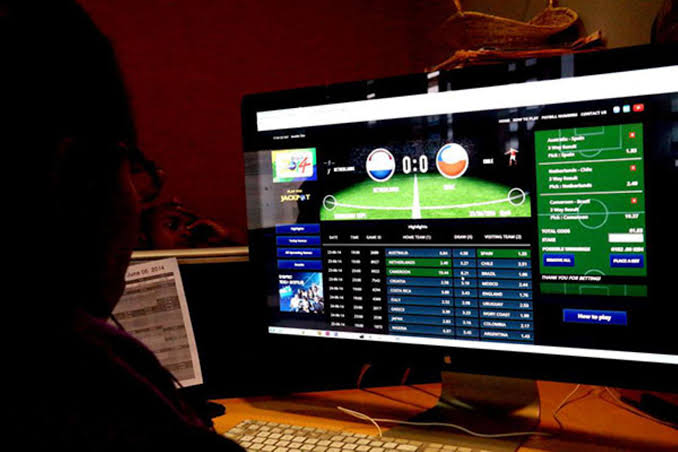
Photo: Courtesy.
By Robert Mutasi
Investors eyeing Kenya’s fast-growing betting and gambling industry will now face deeper scrutiny after the government widened licensing requirements to cover more operators and service providers.
The new licensing regulations require separate permits for different types of gambling businesses. These include casinos, bookmakers, lotteries, totalisators, bingo operators, prize competition firms and online gambling companies.
In the past, many companies operated under one general license, but now each type of gambling activity must have its own permit. This makes it harder for investors to enter the market without full compliance.
The rules also introduce new licensing requirements for companies that support the industry behind the scenes. This includes gambling software providers, equipment manufacturers and distributors, testing firms, repair and servicing providers, as well as key gambling employees. This means even the people who make the machines, fix them, test them, and provide the software must now be licensed.
According to analysts at law firm Bowmans, existing licensees have a grace period of 60 days from June 30, 2026 to comply with the new requirements under the licensing regulations.
Under the new framework, licence applicants must provide detailed corporate, financial and technical information. This includes proof of minimum gambling capital, meaning they must show they have enough money to run the business, audited financial statements to show their accounts are clean, and evidence of compliance with anti-money laundering and counter-terrorism financing requirements.
Operators must also submit technical certifications and demonstrate that their systems are compatible with the Gambling Regulatory Authority’s central monitoring systems before receiving approval. This central monitoring system will allow the government to see what is happening in the betting companies in real time.
Why Tougher Rules?
The tighter rules come as Kenya’s betting industry continues to expand rapidly, fuelled by a large youthful population and growing consumer participation. Kenya has emerged as one of Africa’s biggest gambling markets, attracting a growing number of local and international investors.
Data from the Kenya Revenue Authority (KRA) shows that Kenyans wagered a record Sh330.5 billion in the year to June 30, 2026, highlighting the massive scale of the sector. A recent survey by research firm GeoPoll also found that 64 per cent of Kenyans interviewed had placed a bet in the previous 12 months, ahead of Ghana at 60 per cent and South Africa at 58 per cent.
However, the rapid growth has raised concerns over potential misuse of gambling platforms for illicit financial activities, including money laundering and terrorism financing. Kenya is currently under enhanced monitoring by the Paris-based Financial Action Task Force (FATF), which placed the country on its grey list in February 2024 over concerns about gaps in combating money laundering and terrorism financing.
Since then, the government has stepped up reforms aimed at strengthening financial crime controls, including improved customer due diligence, verification of beneficial ownership and monitoring of high-risk transactions.
Treasury Principal Secretary Chris Kiptoo said financial institutions had increased suspicious transaction reporting and established stronger mechanisms to identify and report potentially illicit activities. He added that Kenya would adopt an inter-agency approach involving the Directorate of Criminal Investigations (DCI), the Attorney-General’s Office and relevant State departments to strengthen enforcement against financial crimes.
The new gambling regulations are expected to bring more operators and service providers under regulatory oversight as Kenya seeks to balance growth of the betting sector with measures to protect the integrity of its financial system.
About Author