Iran’s New Leader Faces First Test
The elder Khamenei had led Iran’s Islamic Republic since 1989, making him one of the country’s longest-serving political and religious figures.
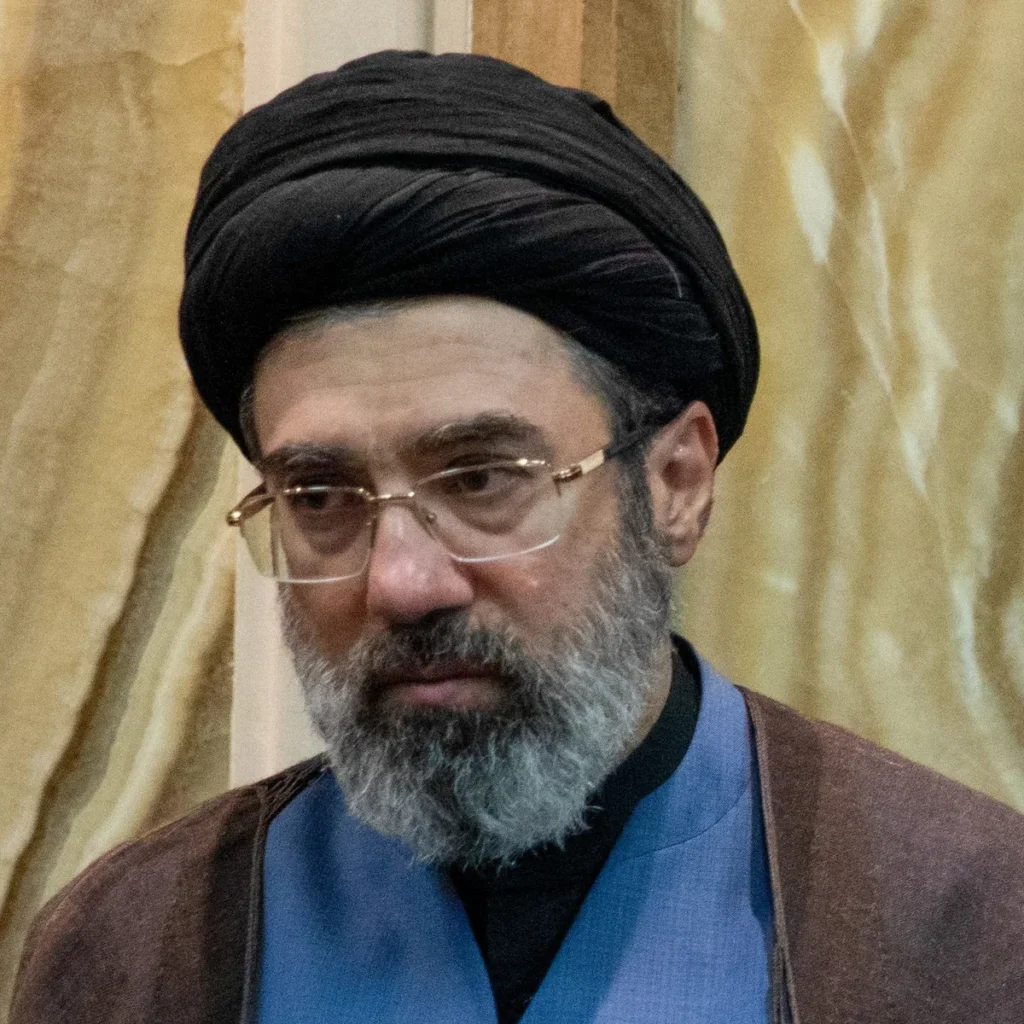
Iran leader Mojtaba Khamenei. Photo/Courtesy.
Kelvin Chesum
Iran’s newly appointed Supreme Leader, Mojtaba Khamenei, is confronting mounting questions over his leadership after assuming the country’s highest office under extraordinary circumstances and remaining out of public view since his appointment.
The cleric inherited the position following the death of his father, Ali Khamenei, who was killed in a reported United States and Israeli airstrike at the start of the latest Middle East conflict.
The elder Khamenei had led Iran’s Islamic Republic since 1989, making him one of the country’s longest-serving political and religious figures.
Although Mojtaba Khamenei has issued a series of written statements since taking office, he has yet to appear publicly, fuelling speculation both inside and outside Iran about his health and ability to consolidate power.
Iranian officials have said he was wounded in the same strike that killed his father and several members of the Khamenei family, including his wife, Zahra Haddad Adel. However, authorities have not released visual evidence confirming his condition, leaving uncertainty over when or whether he will make his first public appearance as supreme leader.
His absence is expected to draw increased attention as funeral ceremonies for Ali Khamenei continue, with many observers viewing any appearance as a critical moment for demonstrating continuity at the top of Iran’s leadership.
Unlike his father, Mojtaba Khamenei has spent most of his career away from the public spotlight. He has never held an elected office or served in government, instead building influence within the Office of the Supreme Leader, where analysts believe he played a senior advisory role.
Political observers also point to his longstanding relationship with the Islamic Revolutionary Guard Corps, commonly known as the Revolutionary Guards, as one of the factors that strengthened his standing within Iran’s ruling establishment.
One of his most significant decisions since assuming office came in June when he approved indirect talks with the United States aimed at ending the conflict, despite acknowledging that he personally held reservations about the negotiations. Analysts interpreted the move as an effort to balance ideological positions with the practical demands of wartime leadership.
Mojtaba Khamenei has long attracted international attention despite maintaining a relatively low public profile.
In 2019, the United States Department of the Treasury imposed sanctions on him, alleging that he exercised significant authority on behalf of his father while holding no formal government position. Washington also accused him of maintaining close ties with senior commanders in the Revolutionary Guards and supporting Iran’s regional security policies.
His name first gained wider recognition during Iran’s 2005 presidential election after reformist politician Mehdi Karroubi accused him of influencing the vote in favour of Mahmoud Ahmadinejad, allegations that were never legally established.
He was also linked by some political commentators to the state’s response during the disputed 2009 presidential election, when mass protests erupted across Iran following Ahmadinejad’s re-election.
Born in the northeastern city of Mashhad, Mojtaba Khamenei studied Islamic theology in Qom, one of the country’s leading religious centres, where he later taught before rising through the clerical establishment.
Before becoming supreme leader, he held the clerical rank of hojatoleslam and was elevated to ayatollah upon assuming the office.
Analysts say his greatest challenge now extends beyond formal appointment. He must demonstrate that he can unite Iran’s political, military and religious institutions while navigating a country facing economic pressure, international sanctions and continued regional conflict.
As funeral ceremonies for his father continue, attention remains fixed on whether Iran’s new leader will step into public view and begin shaping his own leadership, or continue governing from behind the scenes as questions over the country’s future persist.
About Author