Gachagua moves to Appeal Court in bid to overturn impeachment ruling
Gachagua seeks to uphold the finding that his fair hearing rights were violated after the Senate refused his adjournment request during impeachment proceedings.
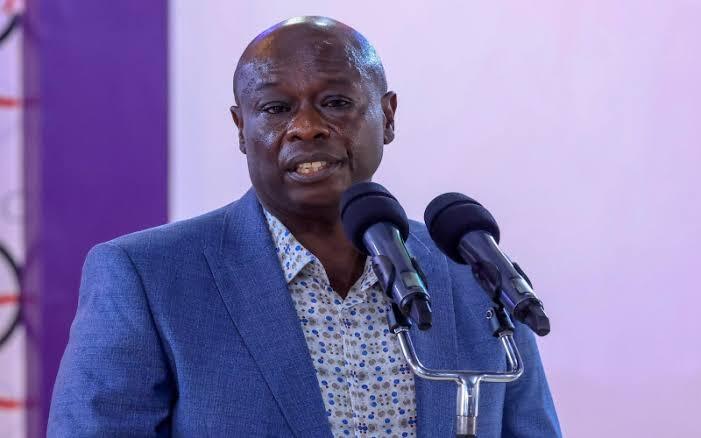
Former Deputy President Rigathi Gachagua. Photo/Courtesy.
By Robert Mutasi
Former Deputy President Rigathi Gachagua has formally filed a notice of appeal at the Court of Appeal, seeking to overturn parts of a High Court judgment that upheld his impeachment while partially vindicating his constitutional claims.
The notice, filed following the ruling delivered on June 8, 2026, by a three-judge bench in Nairobi, signals a continued legal battle over one of the most closely watched constitutional disputes involving the country’s executive leadership.
The bench comprising Justices Eric Ogola, Anthony Mrima and Dr. Freda Mugambi had upheld the legality of the impeachment process carried out in 2024 by Parliament, but also found that the Senate violated Gachagua’s right to a fair hearing during the proceedings.
In his appeal, Gachagua is challenging the broader outcome that sustained his removal from office. However, he is retaining key portions of the judgment that were in his favour, including findings on violation of constitutional rights and the award of Sh50 million in damages.
According to the notice, he does not dispute the court’s position that impeachment proceedings are subject to judicial scrutiny. He also concedes that the High Court had jurisdiction under Articles 22, 23 and 165 of the Constitution to hear and determine whether Parliament acted within constitutional limits.
The notice further accepts the court’s interpretation of Article 23, which empowers courts to issue remedies such as declarations, injunctions, compensation and judicial review orders where rights are violated.
The judges had affirmed that constitutional safeguards must apply even in politically sensitive impeachment processes.
A central issue Gachagua seeks to preserve is the court’s finding that his right to a fair hearing was violated when the Senate declined to grant an adjournment request despite his absence during the impeachment hearing.
The court held that while Parliament has authority to conduct impeachment proceedings, it must still comply with standards of fairness and due process.
He is also not challenging the declaration directing Parliament to establish a clear legal framework governing the impeachment of a Deputy President under Article 150 of the Constitution.
The judges had noted gaps in the legal structure that could create uncertainty in future proceedings of a similar nature.Another key component he seeks to retain is the Sh50 million constitutional damages award against the Senate of Kenya.
The court stated that the award was meant to vindicate constitutional rights, restore dignity to the affected office holder, and discourage future violations in parliamentary processes.
Despite accepting those findings, Gachagua remains dissatisfied with the core ruling that upheld his removal from office. His appeal indicates that he wants the Court of Appeal to reassess whether the impeachment process met the full threshold of constitutional validity, particularly in light of the fair hearing violations already identified.
The case continues to draw attention due to its implications for the balance of power between Parliament and the executive, as well as the procedural safeguards required in impeachment proceedings.
Legal analysts expect the Court of Appeal to focus on whether procedural irregularities, once established, are sufficient to invalidate an otherwise lawful impeachment.
The next steps will depend on the filing of a detailed memorandum of appeal and subsequent directions from the appellate court. Until then, the High Court judgment remains in force, including the confirmation of Gachagua’s removal from office and the compensation award.
About Author