Felix Koskei Leads Push for Public Sector Reforms as Kenya Targets Higher Productivity and Fiscal Stability
Senior government leaders and policymakers have called for sweeping reforms across Kenya’s public sector, emphasizing that improved productivity is essential to achieving sustainable economic growth, efficient service delivery, and long-term fiscal stability.
The call was made during the official opening of the National Performance and Productivity Conference in Nairobi, where top government officials, county representatives, private sector leaders, trade unions, and development partners gathered to discuss strategies for enhancing productivity across public institutions.
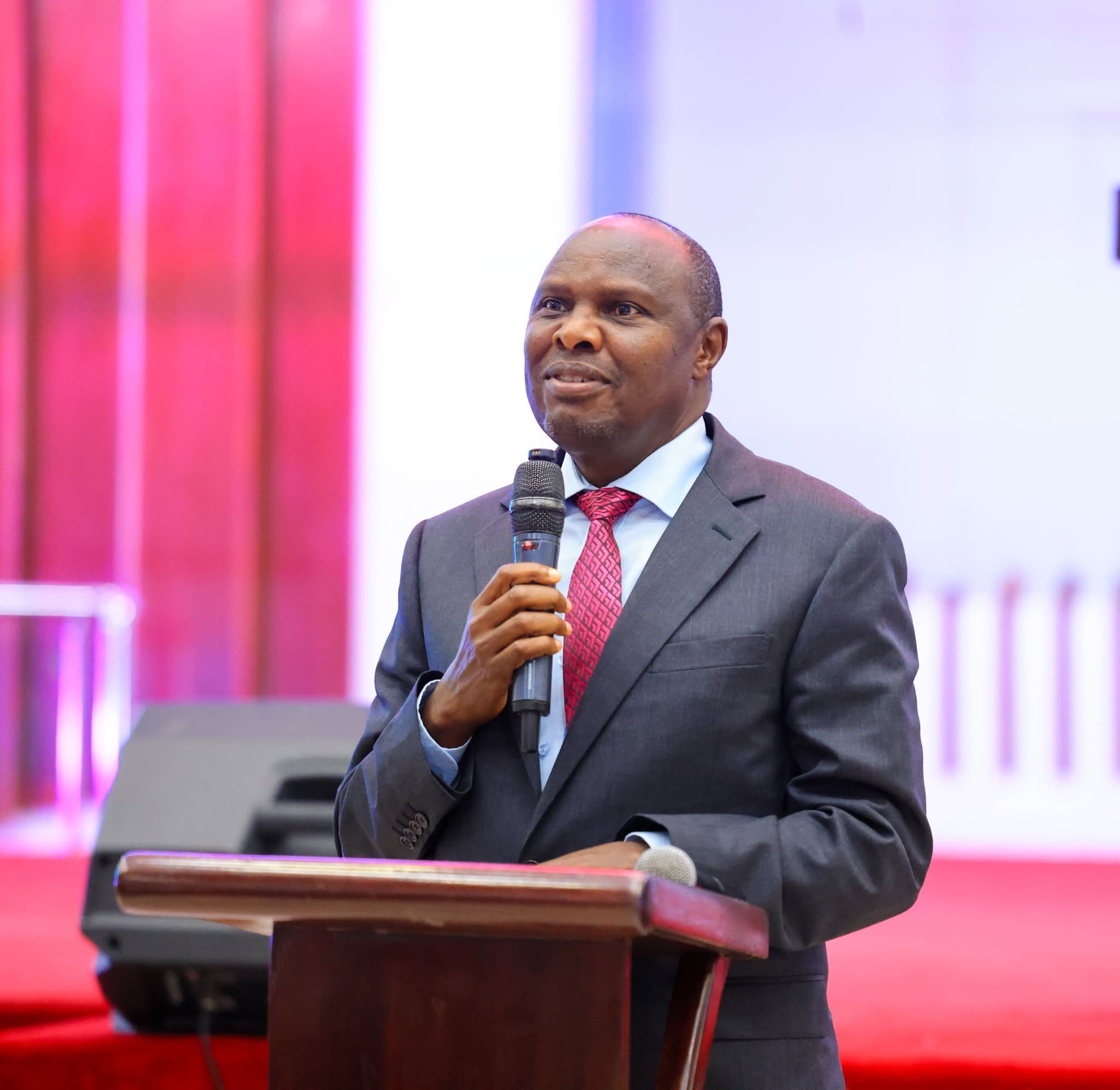
Speaking at the three-day conference, themed “Productivity for Fiscal Sustainability and Efficient Service Delivery,” Chief of Staff and Head of Public Service, Felix Koskei, challenged public servants to abandon outdated work cultures that hinder efficiency, innovation, and value creation.
Koskei stressed that productivity should be embedded in the daily operations of government institutions rather than treated as a temporary initiative or compliance exercise.
“Productivity is not a one-time initiative, a policy document, or a performance plan; it is a habit of continuously creating greater value from the resources entrusted to us,” he said.
He urged public institutions to shift from a culture focused solely on compliance to one centered on delivering measurable results and creating value for citizens. Koskei also called for the protection of the public service from political interference, arguing that a professional, independent, and efficient bureaucracy is critical to achieving Kenya’s development aspirations.
The conference adopted a whole-of-government approach, bringing together stakeholders from all 47 counties and the national government to share experiences, best practices, and innovative solutions for improving performance across public institutions.
Meanwhile, Salaries and Remuneration Commission (SRC) Chairperson, Sammy Chepkwony, highlighted progress made in managing Kenya’s public wage bill, noting that it had reduced from 55 percent in 2020 to 40 percent in 2026 through strategic expenditure controls and workforce management reforms.
However, Chepkwony cautioned that reducing expenditure alone would not be sufficient to secure the country’s fiscal future.
“The expenditure control curve is starting to flatten at its tail end, proving that the more you control, the results are not significant,” he observed.
According to the SRC chairperson, future gains must come from improving productivity and ensuring that public spending translates into better outcomes, greater efficiency, and improved services for citizens.
Participants at the conference agreed that enhancing productivity remains one of the most effective ways of strengthening public institutions, improving service delivery, and ensuring taxpayers receive maximum value from public resources.
The discussions are expected to inform future reforms aimed at building a more efficient, accountable, and results-driven public service capable of supporting Kenya’s economic transformation agenda.
About Author