Rising HIV and AIDS numbers spark worries among health experts
BY YAMARA SANDRA
Health experts say they are, worried about the growing number of HIV and AIDS cases being reported across various areas in the country. they warn that the progress that has been made so far, in battling the disease can flip backwards fast, unless urgent moves are put in place.
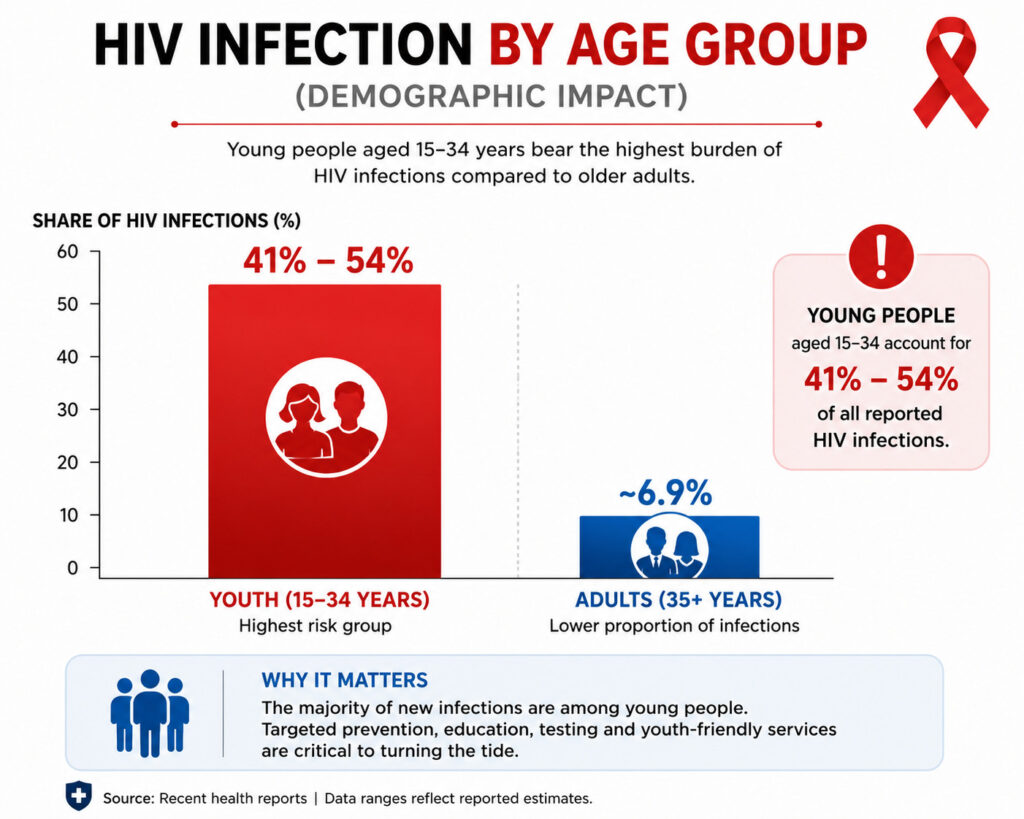
In the latest health briefings, young people are still among the hardest hit. they range around 41% to 54% within the wider 15 to 34 age groups, while adults are recorded at roughly 6.9%.
Globally, adolescents make up about 12% of new adult HIV infections. In Sub-Saharan Africa though, close to 84% of those adolescents are concentrated, and experts point to factors like poor testing uptake, stigma, and unguarded or risky sexual behaviour as drivers behind fresh infections.
Dr Jane Mwangi , a public health specialist at Agha Khan Hospital in Kisumu, said there is need for refreshed awareness efforts that really reach young people.
“Many young people today, underestimate the risk of HIV. We need ongoing education and easier access to testing, prevention services as well,” she said.
Health officials also underscored the role of regular HIV testing, and sticking to treatment for people already living with the virus.
Dr Peter Otieno, a researcher on HIV and AIDS at Kenyatta National Hospital, pointed out that earlier detection matters, saying it improves outcomes for lives and futures in the long run.
“Early diagnosis and treatment not only improve quality of life for people living with HIV but also help lower transmission rates,” he added.
Meanwhile, community groups are pushing for stronger measures to tackle stigma, which still acts as a big obstacle to both prevention and care.
Mary Wanjiku, a community health advocate said that the fear of discrimination still puts people off from getting tested or starting treatment.
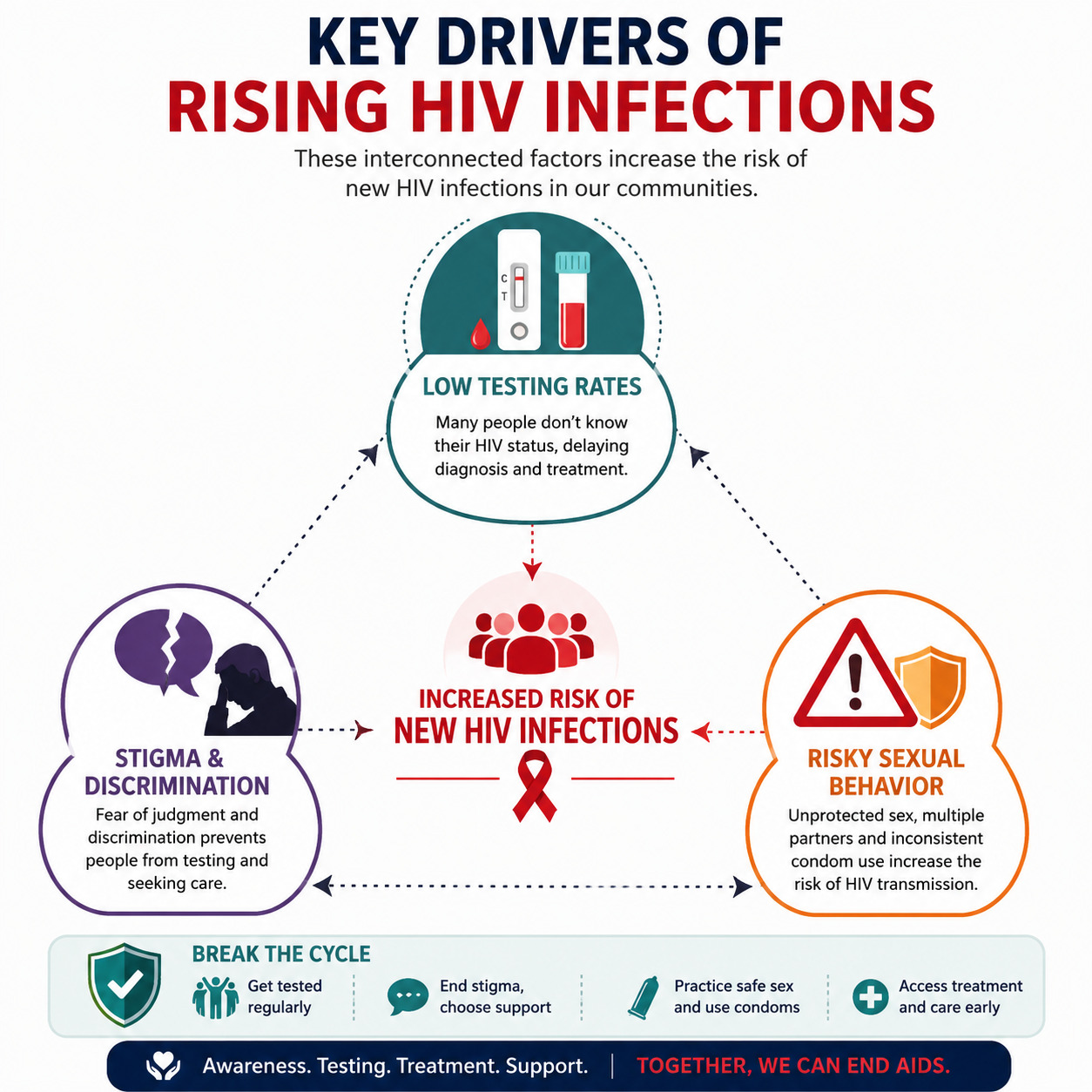
“Fear of discrimination still prevents many people from seeking testing and treatment. Communities must work together to create protective, supportive environments for everyone,” she said.
The Ministry of Health continues encouraging Kenyans to have safe sex, go for testing regularly and, where needed seek medical assistance.
As the country moves forward in cutting down new HIV infections, health experts stress that public awareness, access to health services and community backing are all crucial ingredients in the ongoing fight against HIV and AIDS.
Health Cabinet Secretary Aden Duale has pushed for a comprehensive HIV care package run through the Social Health Authority (SHA) and the Taifa Care Model. He also emphasized that the country should shift away from donor reliant programmes, toward stronger locally driven healthcare systems as Kenya works toward ending AIDS by 2030.
About Author