Kenya, Tanzania Target KSh195 Billion in Trade and Investment, Pledge to Remove Barriers by June 2026
Kenya and Tanzania have set a joint target of KSh195 billion in trade and investment, with leaders pledging to eliminate non-tariff barriers and strengthen cross-border collaboration to drive economic growth.

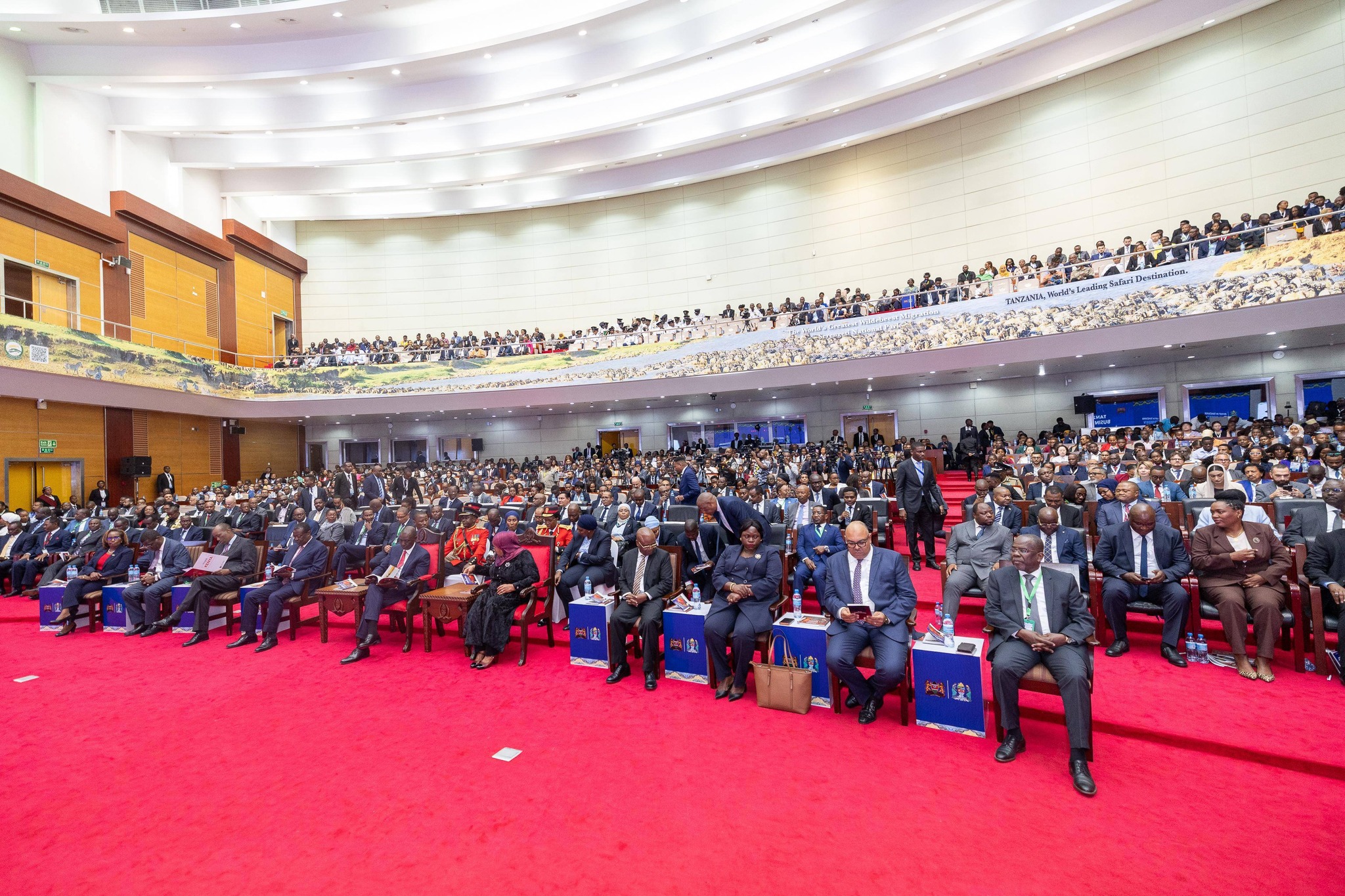
President William Ruto addresses the Tanzania-Kenya Business Forum in Dar es Salaam, outlining plans to boost bilateral trade and investment. Photo/Courtesy
By Ruth Sang
Kenya and Tanzania have set an ambitious target of KSh195 billion in combined trade and cross-border investments, as the two nations move to deepen economic ties and unlock regional growth.
The initiative will create KSh130 billion in new trade and KSh65 billion in new investments because both governments will remove all obstacles that prevent people and goods and services from moving freely.
During his speech at the Tanzania-Kenya Business Forum in Dar es Salaam, President William Ruto called for targeted efforts to solve the non-tariff barriers which hinder economic development.
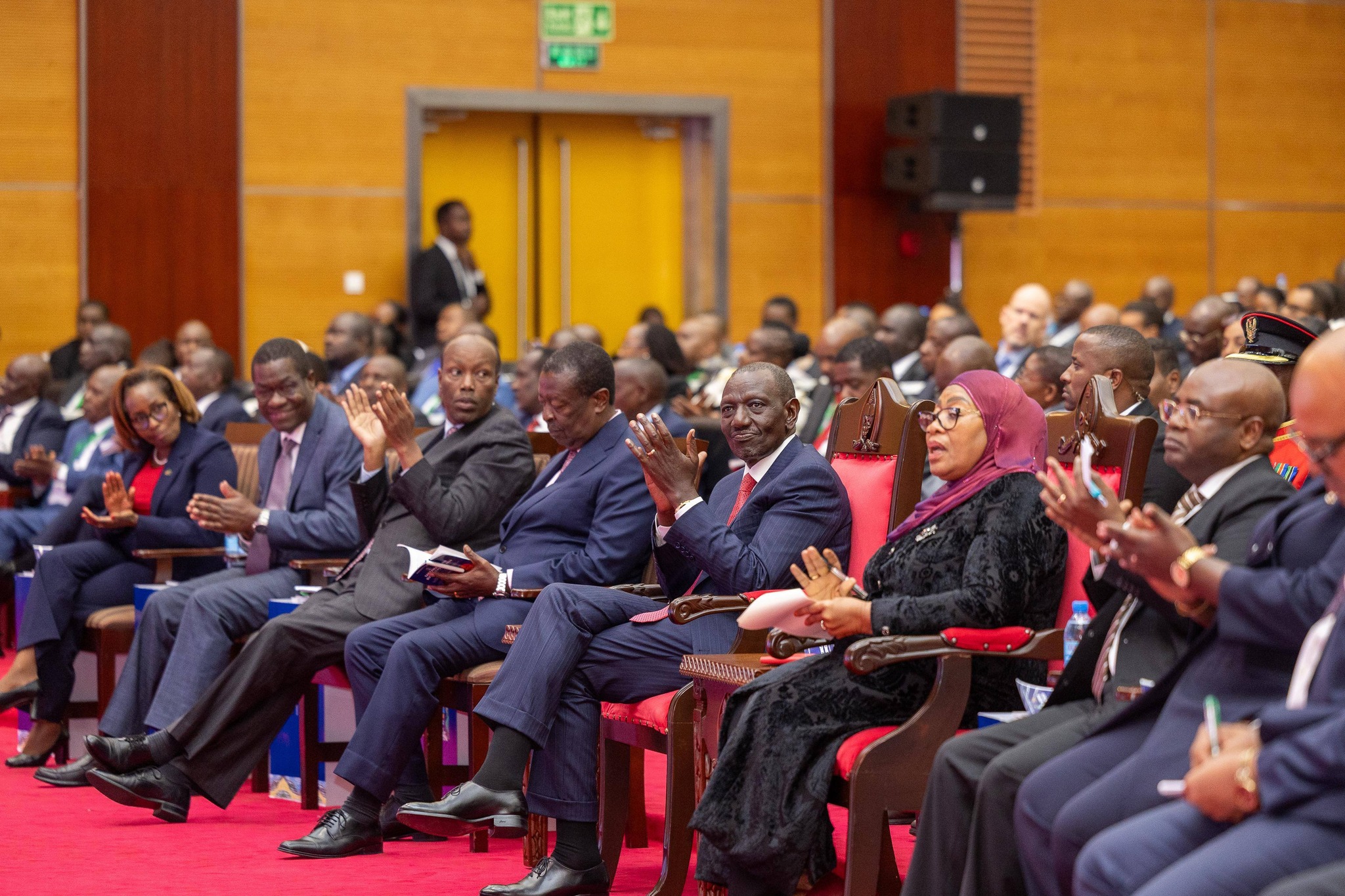
“Business and trade will grow exponentially if non-tariff barriers are eliminated, including border delays, non-harmonised standards, and restricted market access,” Ruto said.
The two countries established June 30, 2026, as their deadline to eliminate all trade barriers which will enable smoother cross-border commerce.
The President explained that operational success in entire national objectives will depend upon continuous interaction between both public and private parties.
“Consequently, our Joint Business Council must become the central platform for structured collaboration,” he said, adding that the Tanzania-Kenya Business Forum will be institutionalised as an annual platform to review progress and unlock new opportunities.
The forum, held in Dar es Salaam, brought together more than 300 business leaders and private sector stakeholders from both countries.
President Ruto and Samia Suluhu Hassan together reaffirmed their commitment to establish a stable investor-friendly environment which will foster economic development.
“Our forceful commitment maintains our dedication to create a steady business climate which protects investors through clear regulatory frameworks and which supports private sector economic development,” he said.
The two countries established a renewed partnership which serves to advance regional economic integration because both nations use trade and investment as essential tools to produce shared economic growth.
About Author