From Press Freedom to Prison Reform: Leaders Call for Compassion and Alternative Justice at Eldoret Women Prison
Stakeholders, journalists, and leaders have donated essential supplies to inmates at Eldoret Women Prison.
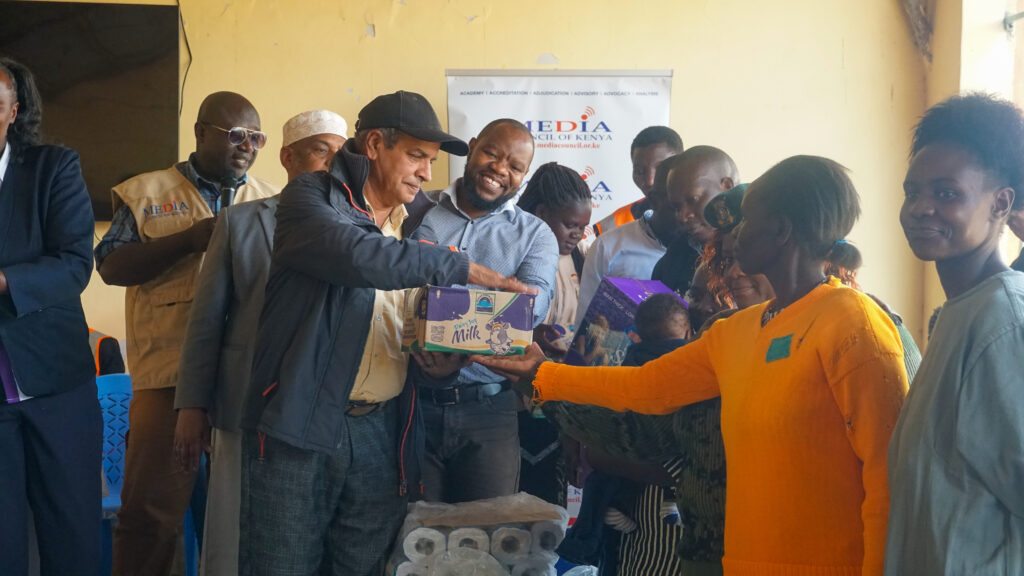
Stakeholders, journalists, and leaders present donations to inmates at Eldoret Women Prison, reaffirming their commitment to compassion, dignity, and support for incarcerated mothers and their children. Photo by Mahlon Lichuma
By Rahab Gati
Leaders and journalists in Uasin Gishu have called for compassion, justice reforms, and increased support for incarcerated mothers and their children following a World Press Freedom Day outreach at Eldoret Women Prison.
Senior Superintendent of Prisons Patricia Makali Simiyu, Officer in Charge of the facility, commended the Uasin Gishu Journalists Association for their humanitarian visit, terming it a strong demonstration of social responsibility. She noted that the prison hosts a unique population that includes children aged four years and below living with their mothers, as well as expectant women, all of whom require special care and attention.
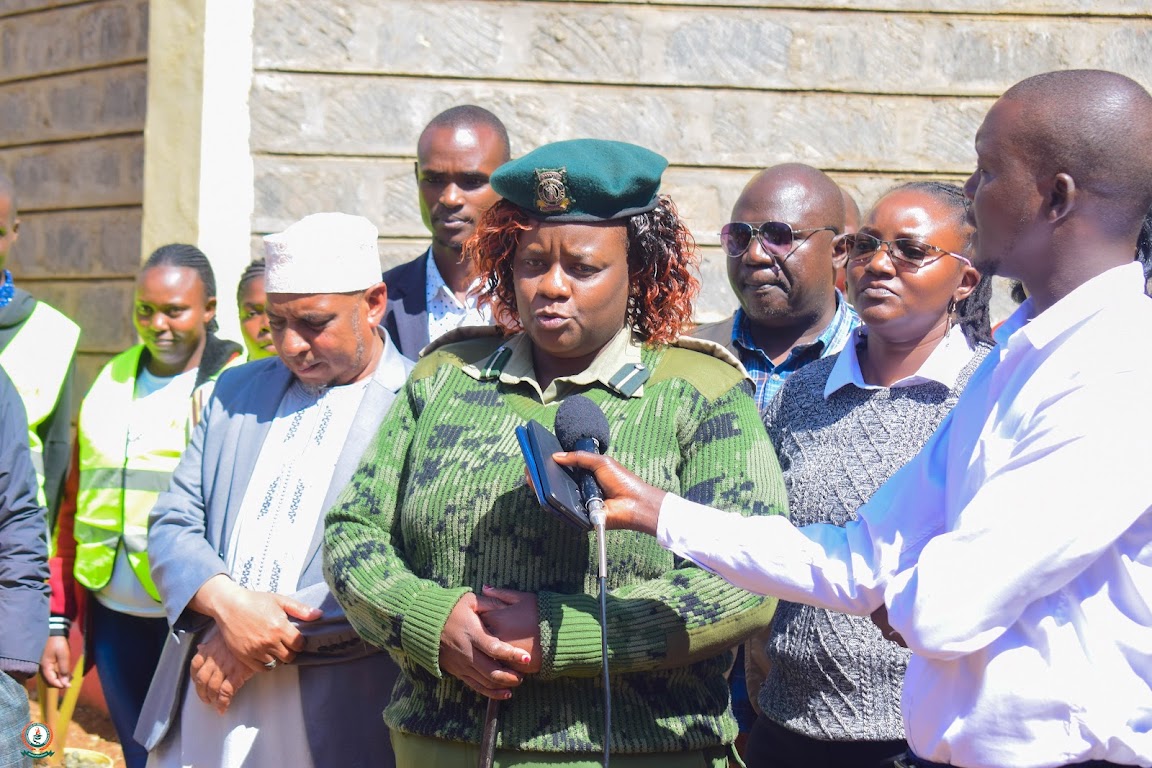
“We are grateful for this visit. It is an act of kindness that restores hope and dignity to these women and their children,” Simiyu said.
She raised concern over congestion in correctional facilities, attributing it to the incarceration of petty offenders whose cases could be resolved outside the courts.
“Prisons are becoming overcrowded due to cases that could be settled amicably. We encourage the public to embrace alternative dispute resolution mechanisms,” she added.
The visit, which followed a World Press Freedom Day roundtable at Eldoret Media Hub, saw journalists extend support to inmates through donations and engagement, reinforcing the media’s role beyond reporting.
Uasin Gishu Journalists Association Chairperson James Gitaka emphasized that journalism carries a broader societal responsibility.
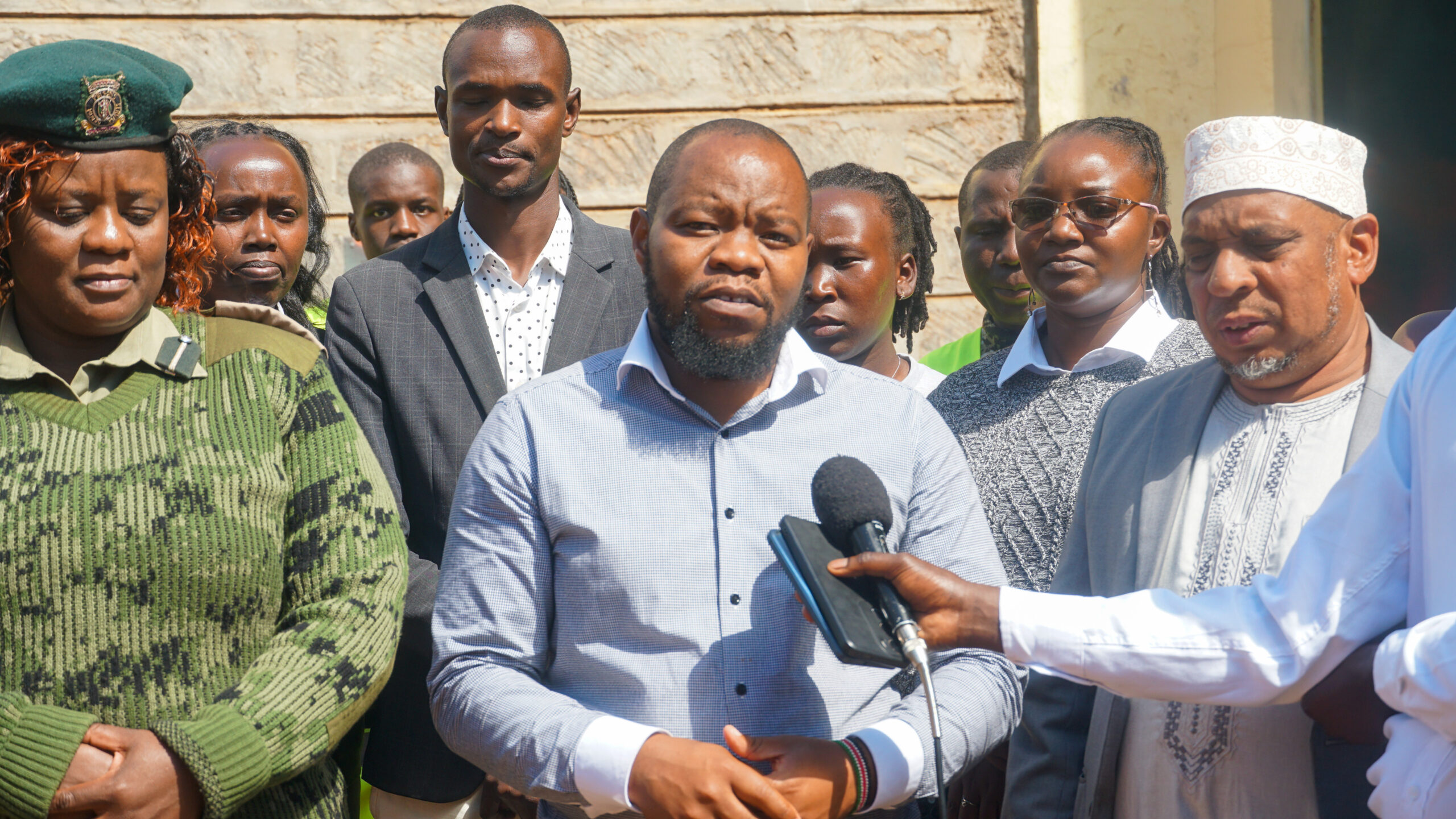
“Our role does not end in the newsroom or courtroom. We must follow up on what happens after sentencing because these individuals remain part of our society,” he said.
Gitaka pointed out that many women in prison are serving sentences for minor offenses, referencing ongoing efforts by the judiciary to decongest prisons. He also highlighted the plight of children growing up in prison, urging the public to support inmates through donations of essential supplies.
“These children are part of our community and deserve care and protection,” he noted, while also underscoring the importance of safeguarding press freedom as a right that benefits the entire society.
Religious leader Sheikh Abubakar Bini, who accompanied the journalists, called on the government to rethink policies affecting incarcerated mothers and their children. He expressed concern over minors growing up in prison environments due to their mothers’ offenses.
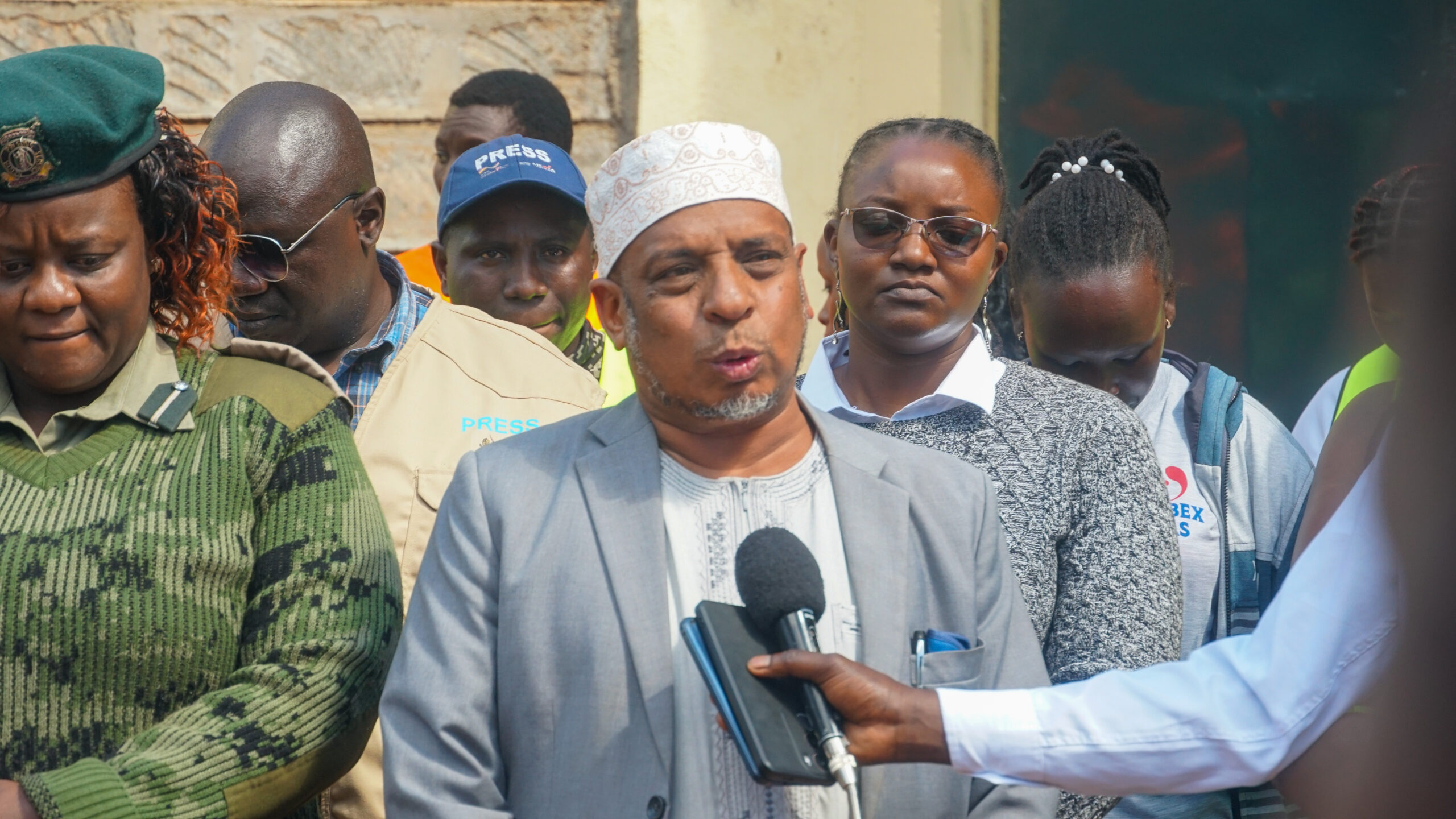
“There is a need for Parliament to consider alternative sentencing, especially for mothers with young children or those expecting,” he said.
Bini proposed the adoption of non-custodial sentences and the establishment of more child-friendly alternatives for women convicted of minor offenses. He also stressed the need for partnerships between the government and well-wishers to address gaps in support within correctional facilities.
Despite the challenges, he commended prison authorities for maintaining cleanliness and order within the facility.
The outreach underscored a shared message from stakeholders: that justice should not only punish but also protect the dignity and future of vulnerable groups, particularly children who find themselves behind bars through no fault of their own.
About Author