“Where Are Our Children?” Rift Valley Families Demand Urgent Government Action, Information Desk and Repatriation of Kenyans Missing in Russia–Ukraine War
“We are not asking for much, We just want to know the truth about our children.”
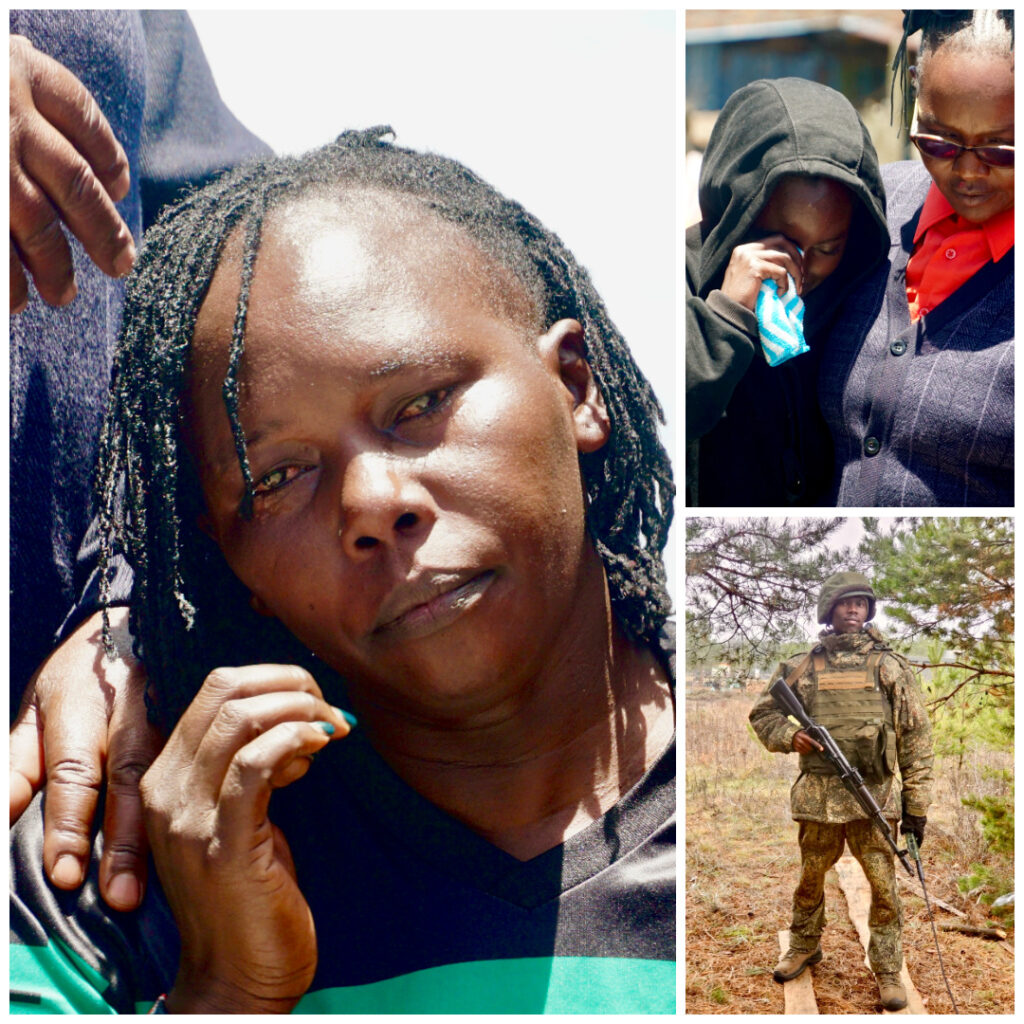
A photo collage captures Josephine Chepngetich in tears, alongside images of her daughter and her missing son, as community members in Cheptiret, Uasin Gishu, console her over the uncertainty surrounding her son’s fate in the Russia–Ukraine conflict. Photo By Mahlon Lichuma
By James Gitaka
Families across Kenya’s Rift Valley are calling on the government for urgent intervention after reports emerged that some of their relatives who travelled to Russia are now missing, with others feared dead in the ongoing Russia–Ukraine conflict. The lack of clear communication has left families in distress, prompting demands for an official information desk to help verify the status of their loved ones and assist with repatriation.
Among the affected is Josephine Chepngetich, a mother from Uasin Gishu County, whose son, Keith Kiplagat, left Kenya in October 2025 under the promise of a job opportunity abroad. According to Chepngetich, communication with her son continued until November 28, when messages abruptly stopped. The last message indicated he had been moved to another camp, citing a temporary ceasefire.
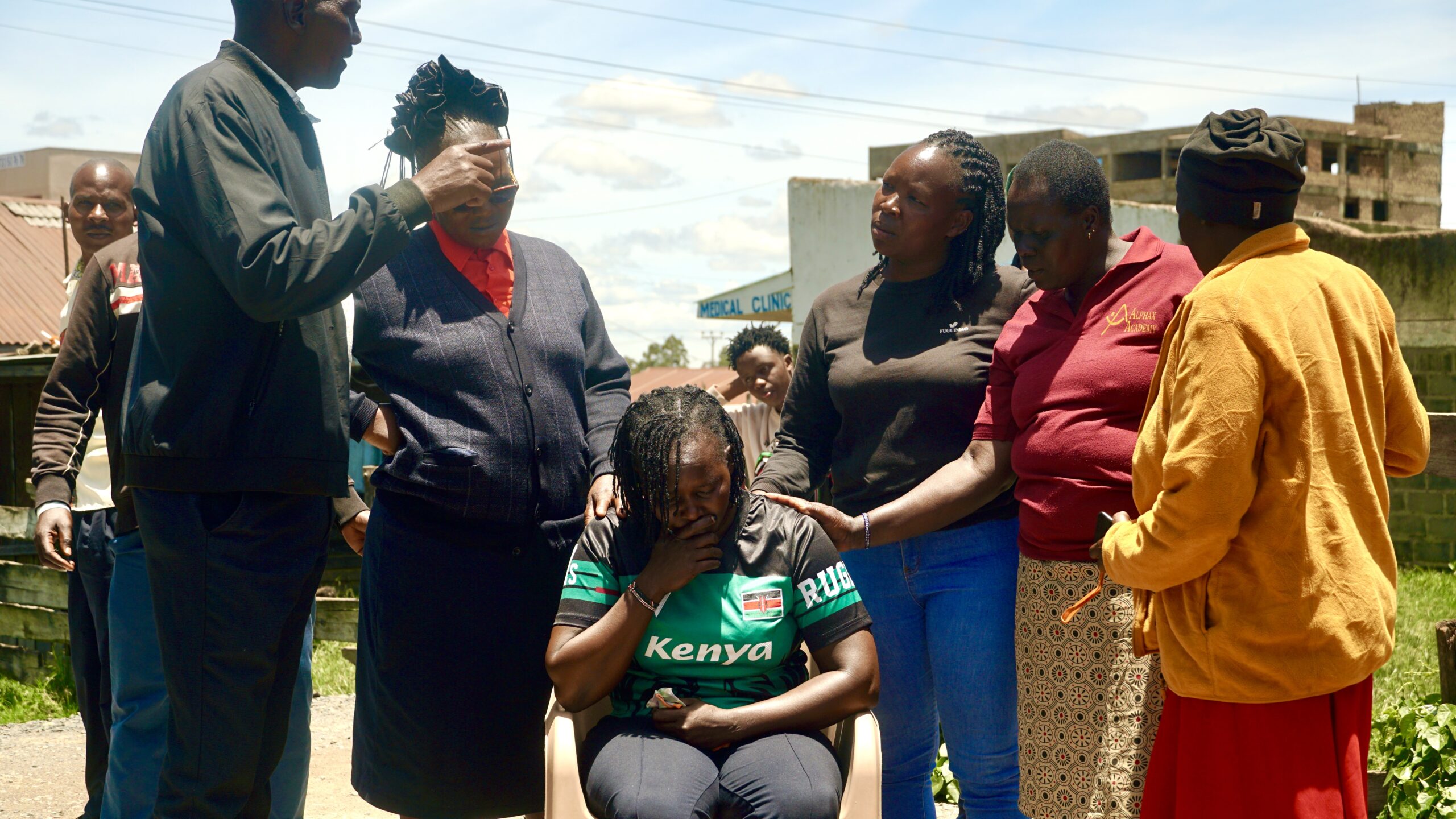
“The last message he sent said he was being transferred, and then everything went silent,” Chepngetich said.
She revealed that her son’s travel was facilitated by a man known as Collins, who initially claimed to be based in Qatar but later coordinated Kiplagat’s travel from Russia. Efforts to seek clarity have been met with silence.
“If he knows my son is no longer alive, why can’t he tell me the truth?” she asked.
The human toll is compounded by financial strain. Chepngetich said she used personal savings, originally intended to build her home, to facilitate her son’s travel. “I sacrificed everything for his future. Now he is missing, and I don’t even know if he is alive or dead,” she said.
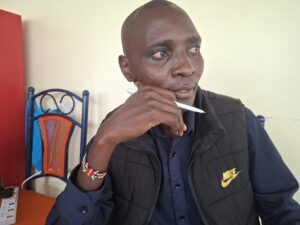
Human rights activists are urging the government to step in. Mustapha David Simiyu, Executive Director of Eldoret Champions of Peace, called for a structured government response.
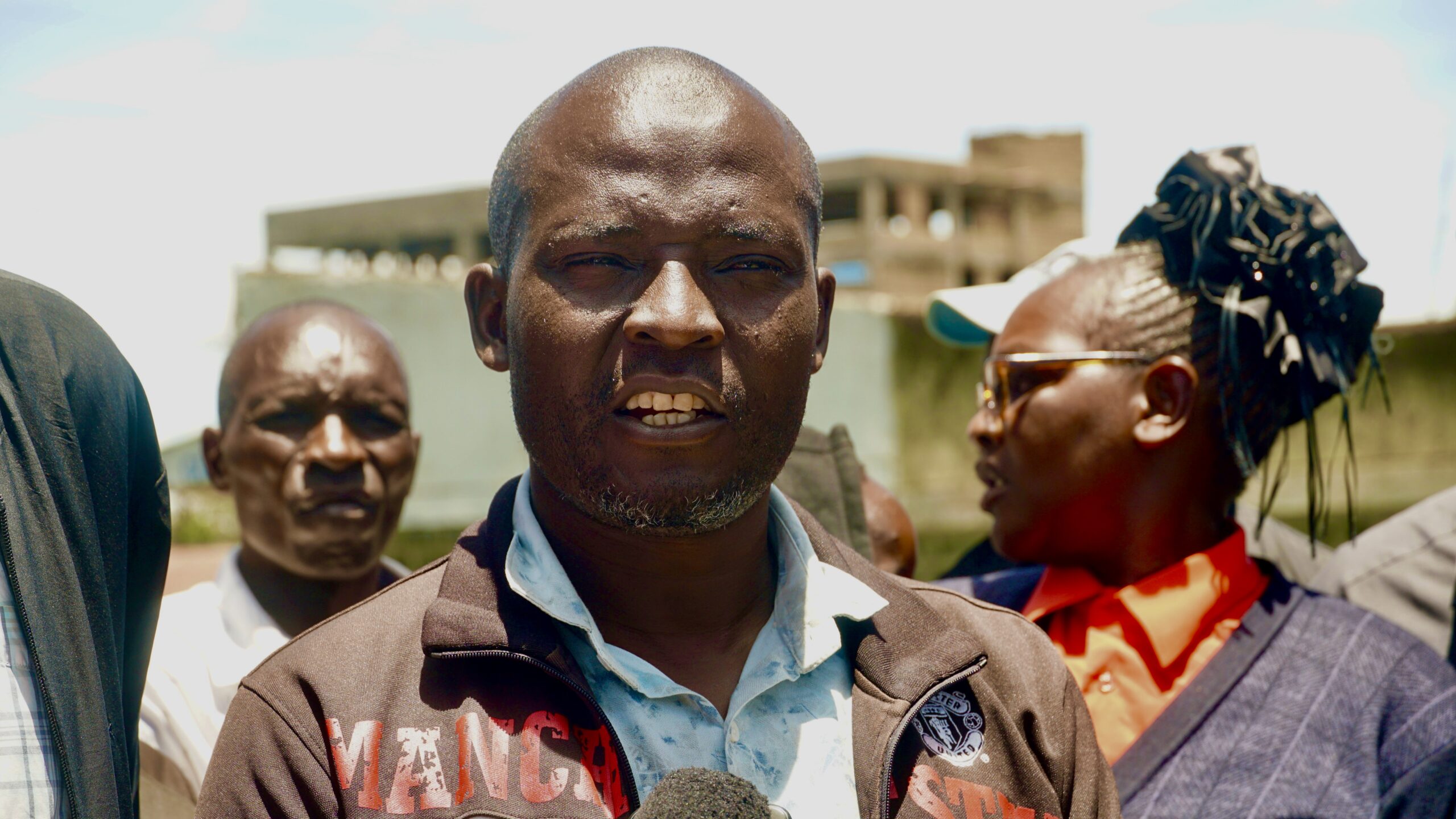
“We need a designated platform where families can report cases and receive verified information. Some of these Kenyans may have died, others are missing, and families are in the dark,” he said, adding that the government should also help repatriate bodies and investigate recruitment networks that facilitated the movement of Kenyan youths into the conflict zone.
The concerns come amid growing public pressure. In February 2026, families of Kenyans believed to be fighting in Ukraine held a protest outside Parliament in Nairobi, demanding government action and the safe return of their relatives.
The Kenyan government has taken steps following a diplomatic visit to Russia by Prime Cabinet Secretary Musalia Mudavadi in March 2026. Speaking alongside his Russian counterpart, Sergei Lavrov, Mudavadi announced that Russia had agreed to stop deploying Kenyan nationals to fight in Ukraine.
“They will no longer be eligible to be enlisted,” Mudavadi said, confirming that Kenyan citizens would not be recruited through Russia’s defense ministry. Lavrov, however, insisted that all foreign fighters had joined voluntarily, in accordance with Russian law.
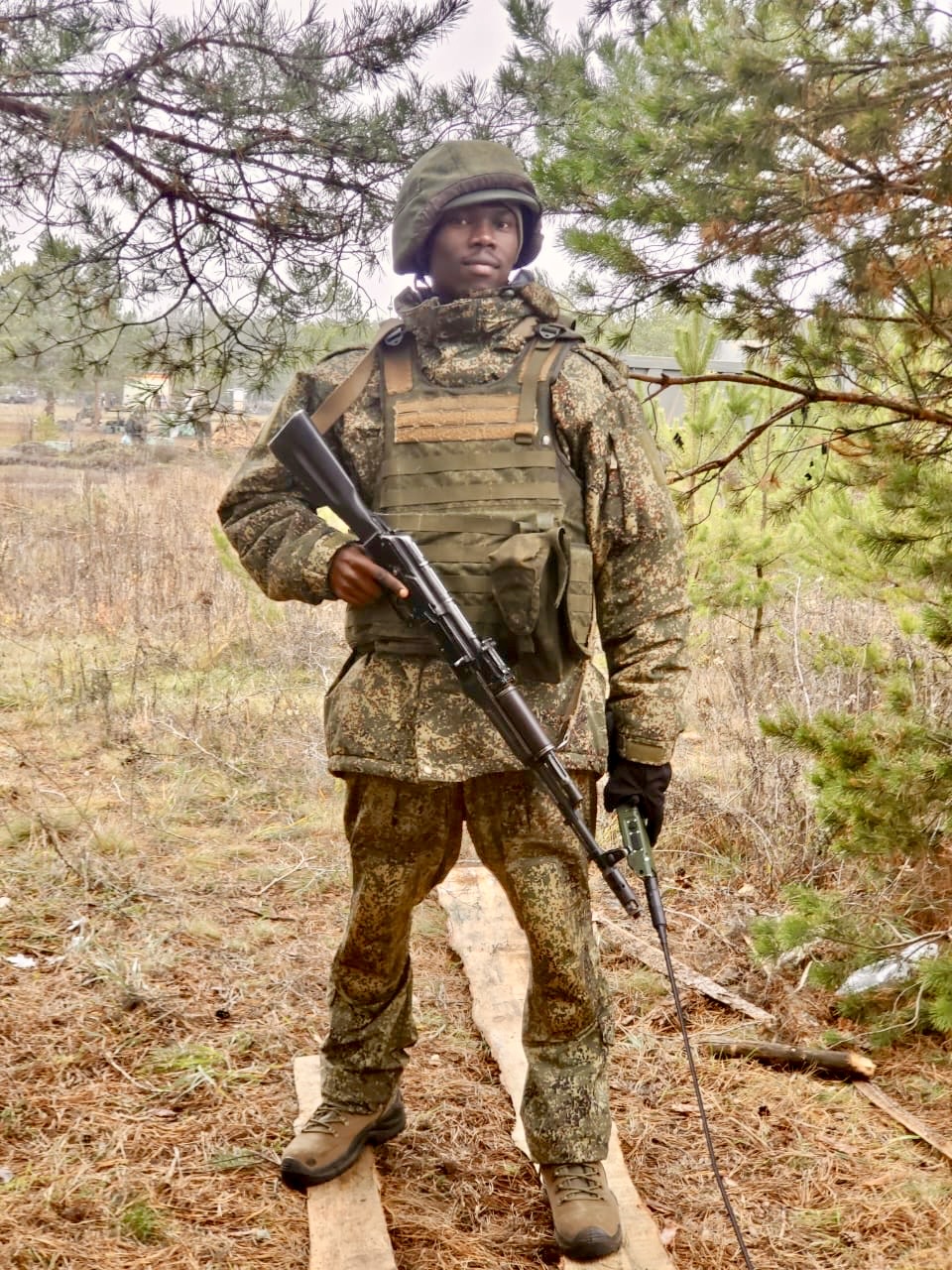
Despite these assurances, it remains unclear how many Kenyans have died while fighting for Russian forces. Relatives who have approached the Russian embassy in Nairobi for answers report being turned away. A Kenyan intelligence report in February warned that more than 1,000 citizens had been recruited to fight in Ukraine. Some Kenyans have said they were lured with promises of well-paid civilian jobs, only to find themselves forced into combat.
For families like Chepngetich’s, the uncertainty is devastating. “All I want is the truth about my son,” she said. “Whether he is alive or not… I need to know.”
Affected families span counties including Uasin Gishu, Nandi, Narok, and Bomet, with many calling for an urgent government-led investigation and the creation of dedicated information and complaints desks to help families trace missing loved ones. Community leaders, including Paul Yator, have also urged President William Ruto to intervene.
About Author