Senate Committee Questions Nandi Governor Over Missing Millions in Audit Review
He warned that counties facing financial documentation shortages would encounter legislative consequences.
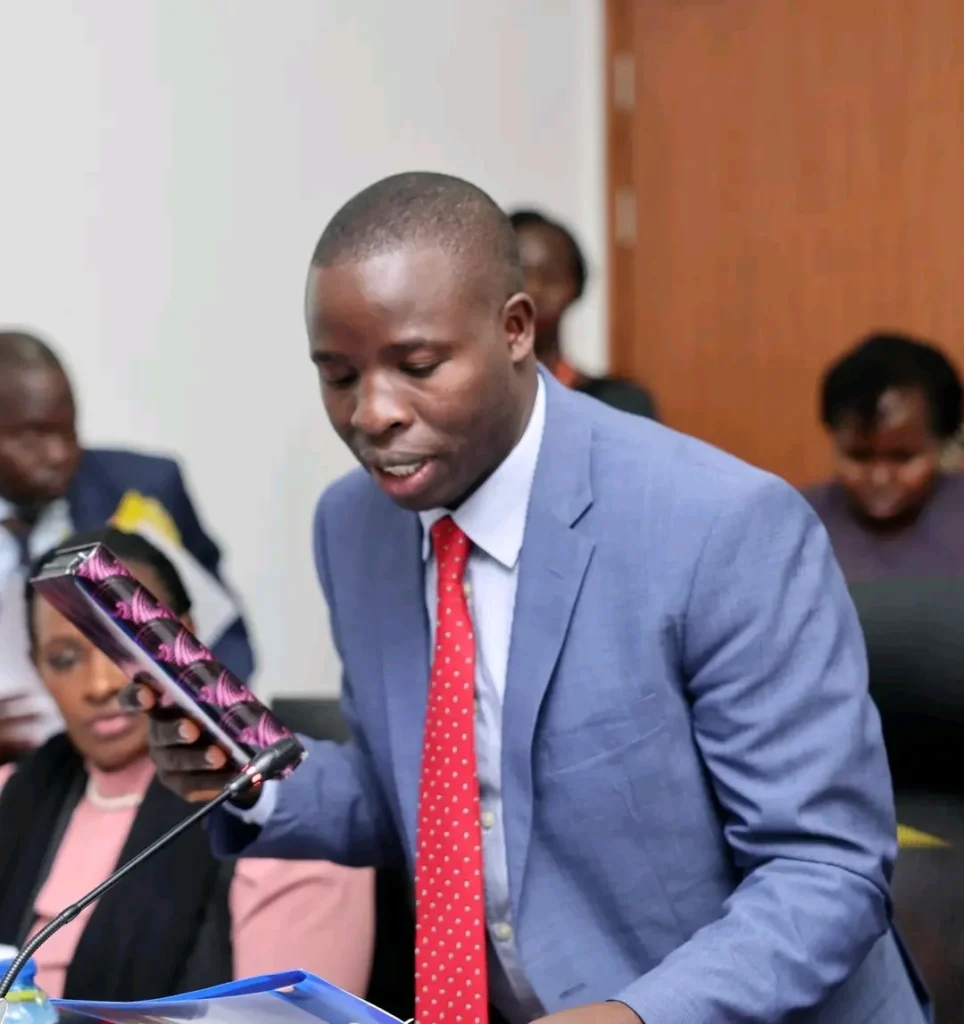
Nandi Governor Stephen Sang. Photo/Courtesy
By Ruth Sang
Lawmakers demand documents to explain irregular spending in health, climate, and education funds
Nandi Governor Stephen Sang experienced intense pressure from senators after auditors discovered evidence of improper financial spending and missing financial documents which related to the county’s 2024/2025 audit report.
The Senate County Public Investments and Special Funds Committee conducted its examination with Godfrey Osotsi acting as chairperson. The meeting examined financial management of several county funds, including the Facilities Improvement Fund, Climate Change Fund, and the Nandi Education Scheme.
Sharp Rise in Health Staff Expenditure
The hearing revealed a major problem having to do with the staff expense increase which happened under the Facilities Improvement Fund. According to auditors, employee costs increased dramatically from KSh 540,000 to KSh 24.8 million, marking a rise of more than 4,500 percent.
Governor Sang explained that the increase happened because the county needed to hire temporary medical staff to replace 1,899 health workers who received suspensions. He said the decision was necessary to ensure that healthcare services in the county continued without disruption.
The committee members required complete documentation to determine whether the recruitment process occurred according to lawful procedures while confirming that the payments received were for authentic services.
George Mbugua, a committee member, insisted that the considerable increase required proper documentation to support its validity.
“We cannot overlook such a huge jump in staff costs without clear proof of how the recruitment was done and whether the services were actually delivered,” Mbugua said.
The senators raised questions about why KSh 15.4 million transferred to Kaptumo, Chepterwai, and Kabiyet hospitals. The auditors could not trace the fund usage because the institutions did not provide their fiscal reports.
Chairperson Osotsi issued a warning about how missing documents created a substantial danger for financial responsibility.
“When KSh 15 million cannot be accounted for because of missing statements, it is the people of Nandi who ultimately suffer,” he said while commanding the county to present the documents within a week.
Concerns Over Climate Fund Accounting
The audit further revealed irregularities in the county’s Climate Change Fund. Auditors discovered KSh 7.23 million, which the trial balance had failed to show. County officials attributed the omission to an accounting mistake related to a building asset.
Lawmakers also questioned the implementation of several water projects in Kiropket, Kiptenden, and Kapkawa. The committee found that the projects had been built on private property without permission through land titles or official contracts, which raised doubts about the protection and long-term success of the investments.
Missing Receipts for Bursary Funds
Another concern was raised over the Nandi Education Scheme, where KSh 50.2 million allocated for bursaries lacked acknowledgement receipts from the schools that were supposed to receive the funds.
Nandi Senator Samson Cherargei criticized the situation, saying the missing documentation undermines transparency and public confidence.
“It is completely unacceptable for there to be over KSh 50 million in bursary funds which lack receipts while students face difficulties paying their school expenses,” Cherargei said.
County Given Deadline to Respond
Governor Sang reassured the committee that the county administration would share all essential documents needed to resolve audit issues.
Osotsi required the county government to send all missing documents to the Office of the Auditor-General before March 31, which served as the deadline for committee report submission to the Senate.
He warned that counties facing financial documentation shortages would encounter legislative consequences.
The inquiry serves as a component of the Senate’s larger responsibility to oversee public spending by county governments while lawmakers aim to improve transparency and liability under the Kenyan decentralized governance system.
About Author