Kenya Pushes Gender-Responsive Climate Action at Regional Workshop in Eldoret
Okumu emphasized that climate change is a global crisis that transcends national borders and therefore requires collective international action.
The current NCCAP III (2023–2027) focuses on accelerating low-emission development. Photo/NDCP
By Naomy Cheruiyot
Environmental and gender stakeholders from across the North Rift and Western Kenya convened in Eldoret for a three-day workshop aimed at strengthening gender-responsive climate action and enhancing collaboration in addressing climate change challenges.
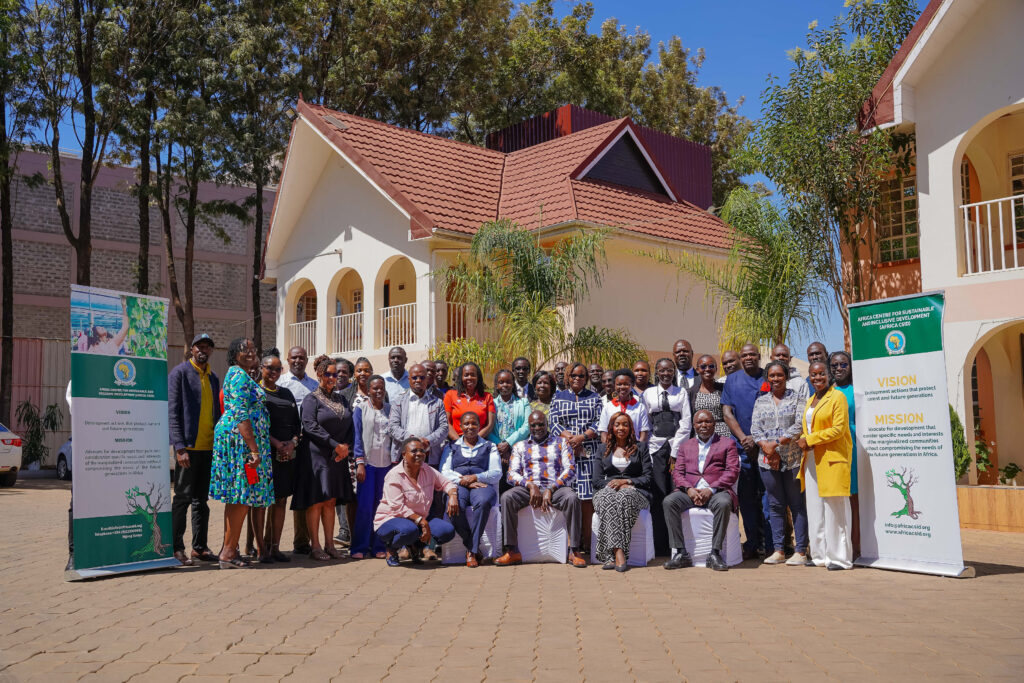
The workshop was organized by the State Department of Gender and Affirmative Action and the State Department of Environment and Climate Change, in partnership with the Africa Centre for Sustainable and Inclusive Development (AFRICA CSID) and the Nationally Determined Contributions (NDC). It was held at Queens Garden Hotel in Eldoret, Uasin Gishu County, and hosted by the Department of Gender under the leadership of Director Tecla Biwott.
Participants drawn from more than five counties—including Uasin Gishu, Nandi, Elgeyo Marakwet, and Bungoma—represented government departments, civil society organizations, and community-based groups working on climate and gender issues.
Speaking during the workshop, the Deputy Director for Climate Change Negotiation and Finance, Michael Ochieng Okumu, highlighted the differentiated roles and impacts of climate change across various social groups. He noted that the daily activities of men, women, children, and youth contribute differently to greenhouse gas emissions, which are a major driver of climate change.
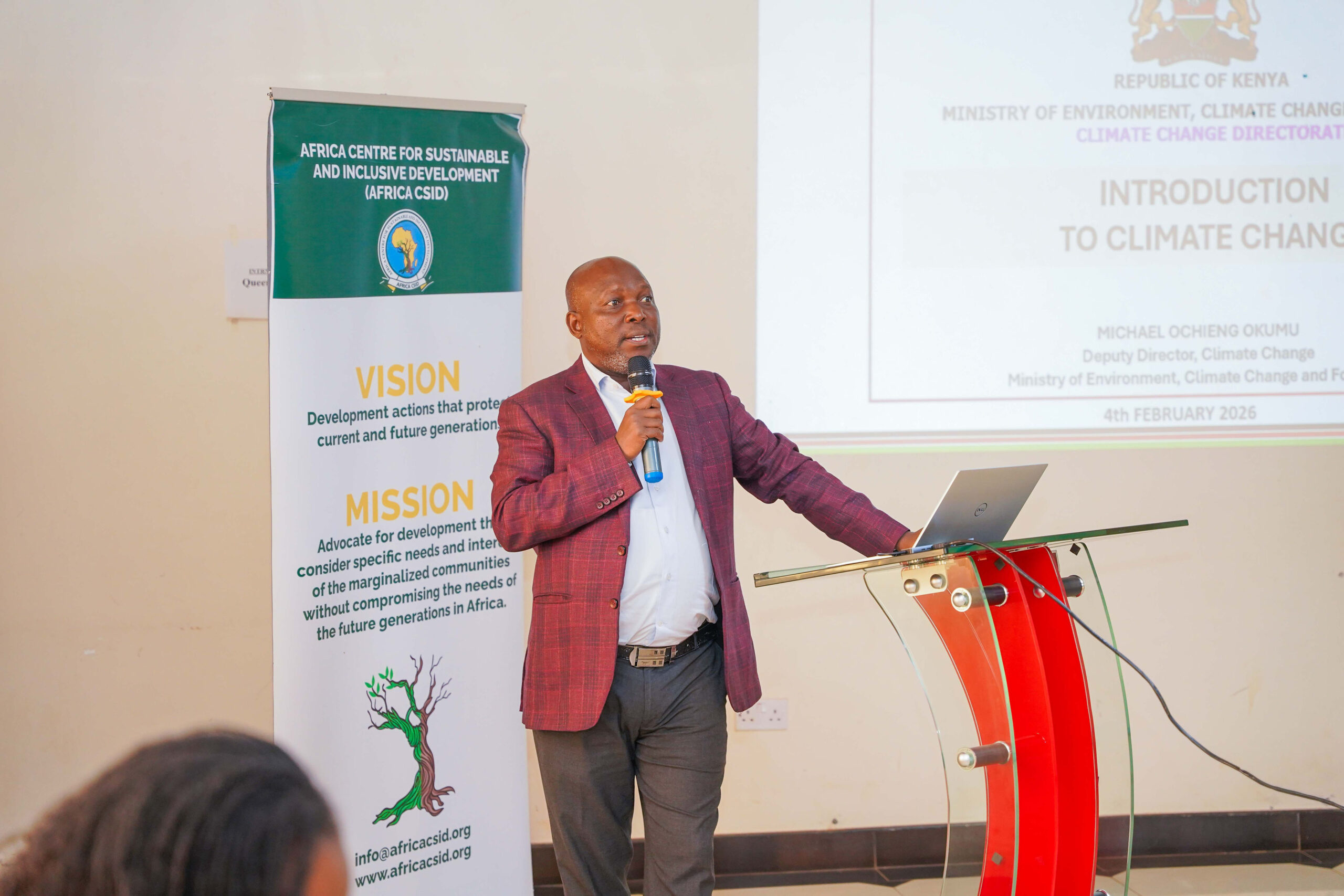
Okumu emphasized that climate change is a global crisis that transcends national borders and therefore requires collective international action.
“No single country can address climate change alone. All nations must chip in to curb this menace,” he said.
He further explained that Kenya’s national climate change response is guided by the National Climate Change Action Plans (NCCAPs), which operationalize the Climate Change Act and Kenya’s international commitments under the Paris Agreement. Kenya has implemented successive NCCAPs, beginning with NCCAP I (2013–2017), which laid the foundation for climate governance, followed by NCCAP II (2018–2022), which strengthened climate mainstreaming across sectors and enhanced county-level implementation.
The current NCCAP III (2023–2027) focuses on accelerating low-emission development, strengthening climate resilience, mobilizing climate finance, and deepening coordination between national and county governments. It also emphasizes the integration of cross-cutting issues such as gender equality, youth inclusion, and social protection in climate action.
According to Okumu, Kenya has committed to reducing its greenhouse gas emissions by 32 percent by 2030 as part of its mitigation strategy under international climate agreements. Achieving this target, he noted, will require substantial financial and technical resources, with 21 percent of the mitigation costs financed through domestic resources and the remaining 79 percent supported by international sources through climate finance, technology development and transfer, and capacity building.
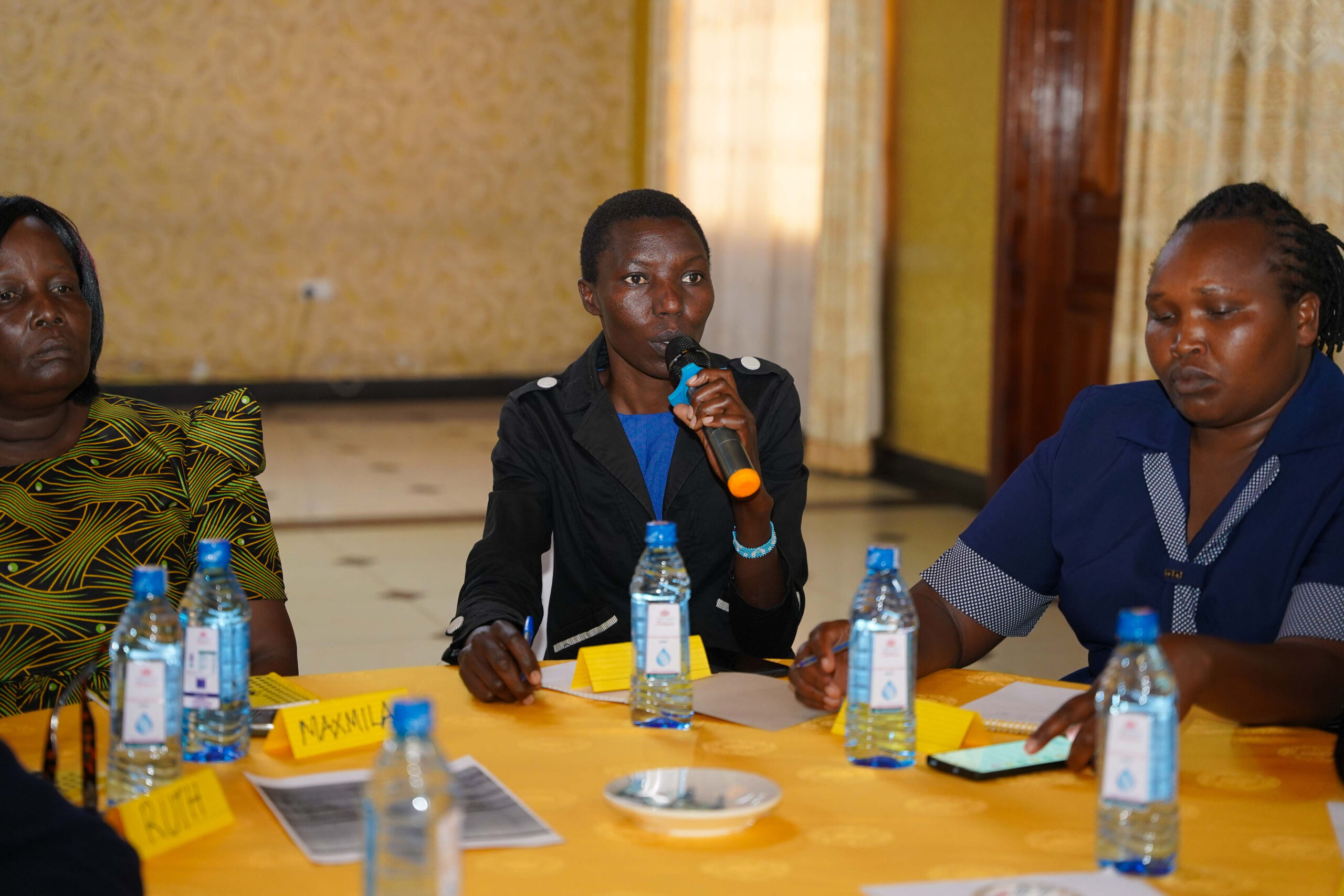
Okumu also underscored the importance of strengthening adaptive capacity at both national and county government levels, noting that building institutional and technical capacity within government structures is a key adaptation strategy toward achieving a climate-resilient society, particularly at the grassroots level where climate impacts are most severe.
On gender integration, participants were also taken through Kenya’s National Gender and Climate Change Action Plans (NGCCAP), which guide the mainstreaming of gender considerations across climate policies, programs, and financing mechanisms. The first NGCCAP (2018–2022) focused on addressing gender-differentiated climate impacts, strengthening women’s participation in climate governance, and building capacity for gender-responsive climate planning.
The current NGCCAP (2023–2027) builds on these gains by placing stronger emphasis on gender-responsive climate finance, leadership and decision-making for women and youth, capacity building at both national and county levels, and the inclusion of marginalized groups in climate action. The plan is aligned with NCCAP III and Kenya’s updated Nationally Determined Contribution, ensuring that gender equality remains a core pillar of the country’s climate response.
On gender issues, gender consultant Caroline Lintari Chesang delivered a session on gender-responsive climate action, stressing the importance of fairness and inclusiveness in climate solutions. She explained that gender-responsive climate action focuses on how climate impacts, responsibilities, and benefits are shared within society.
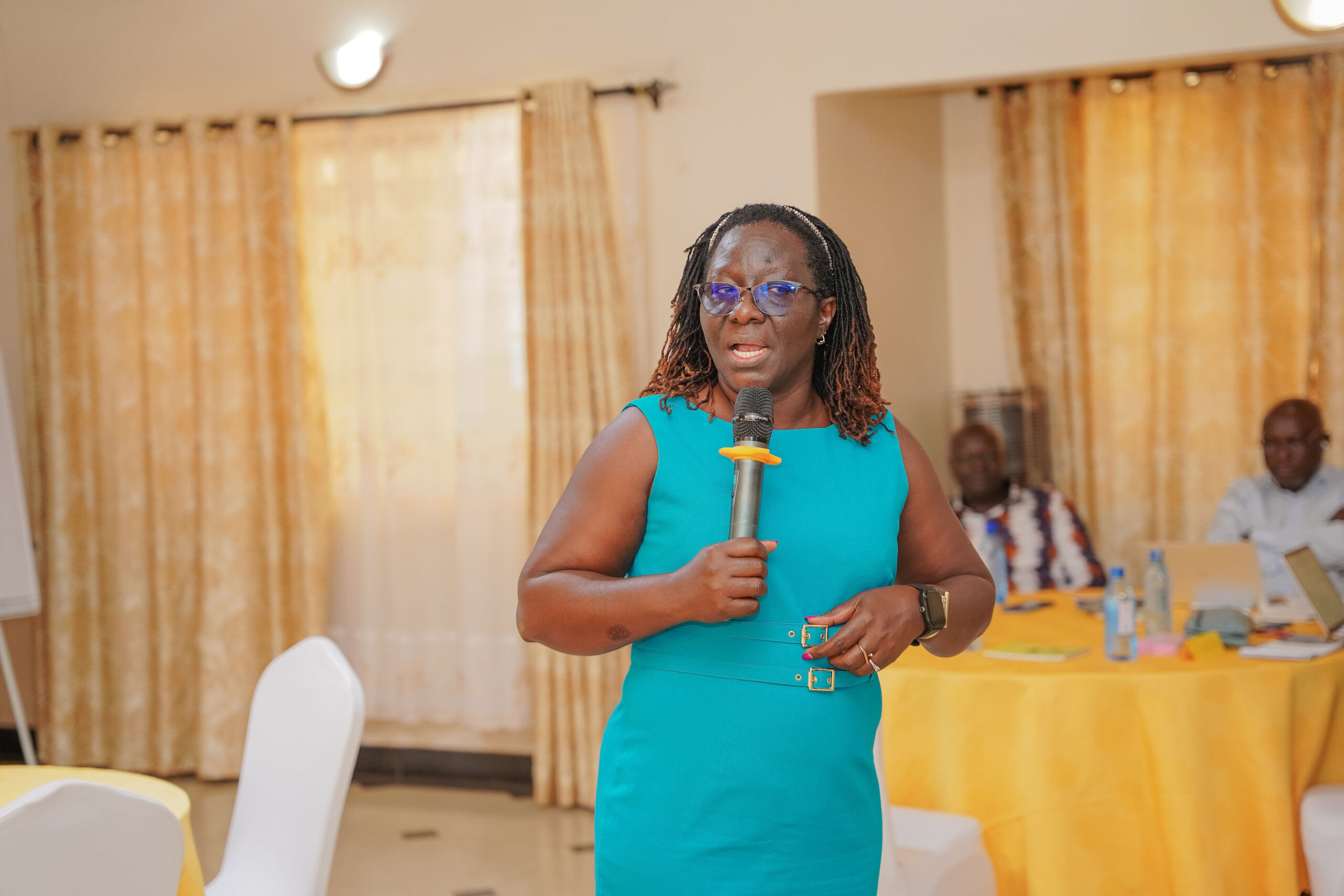
Chesang emphasized the need to change societal perceptions and attitudes toward gender roles to ensure meaningful participation of all stakeholders in climate action.
“For climate solutions to be sustainable, we must bring everyone on board—women, men, youth, and marginalized groups—and ensure gender issues are addressed in a way that leads to lasting solutions,” she said.
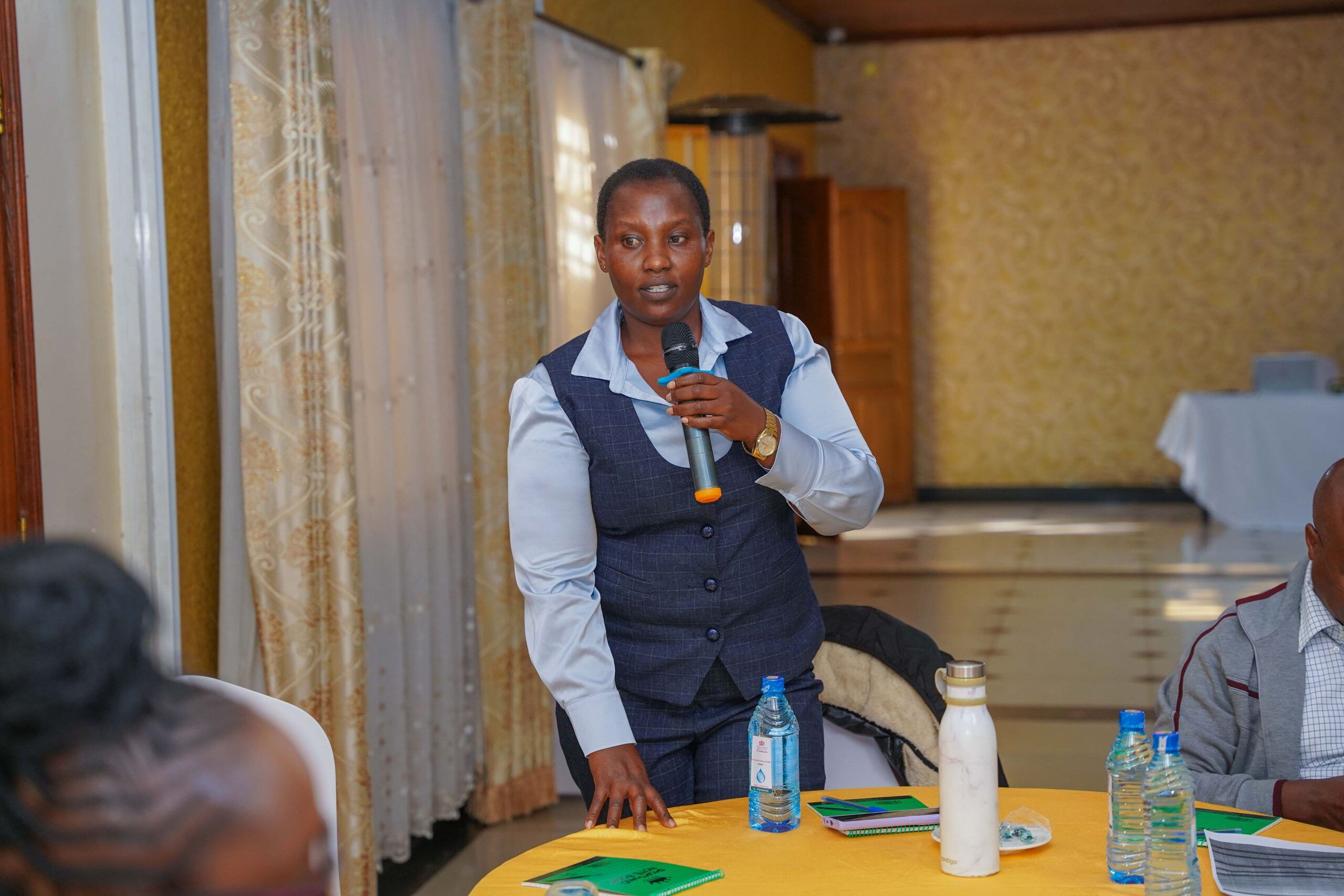
Participants described the training as timely and relevant. Naomi Boke, a participant from Bungoma County, said the training was vital, noting that climate change is real and that the knowledge gained would support mitigation efforts within communities.
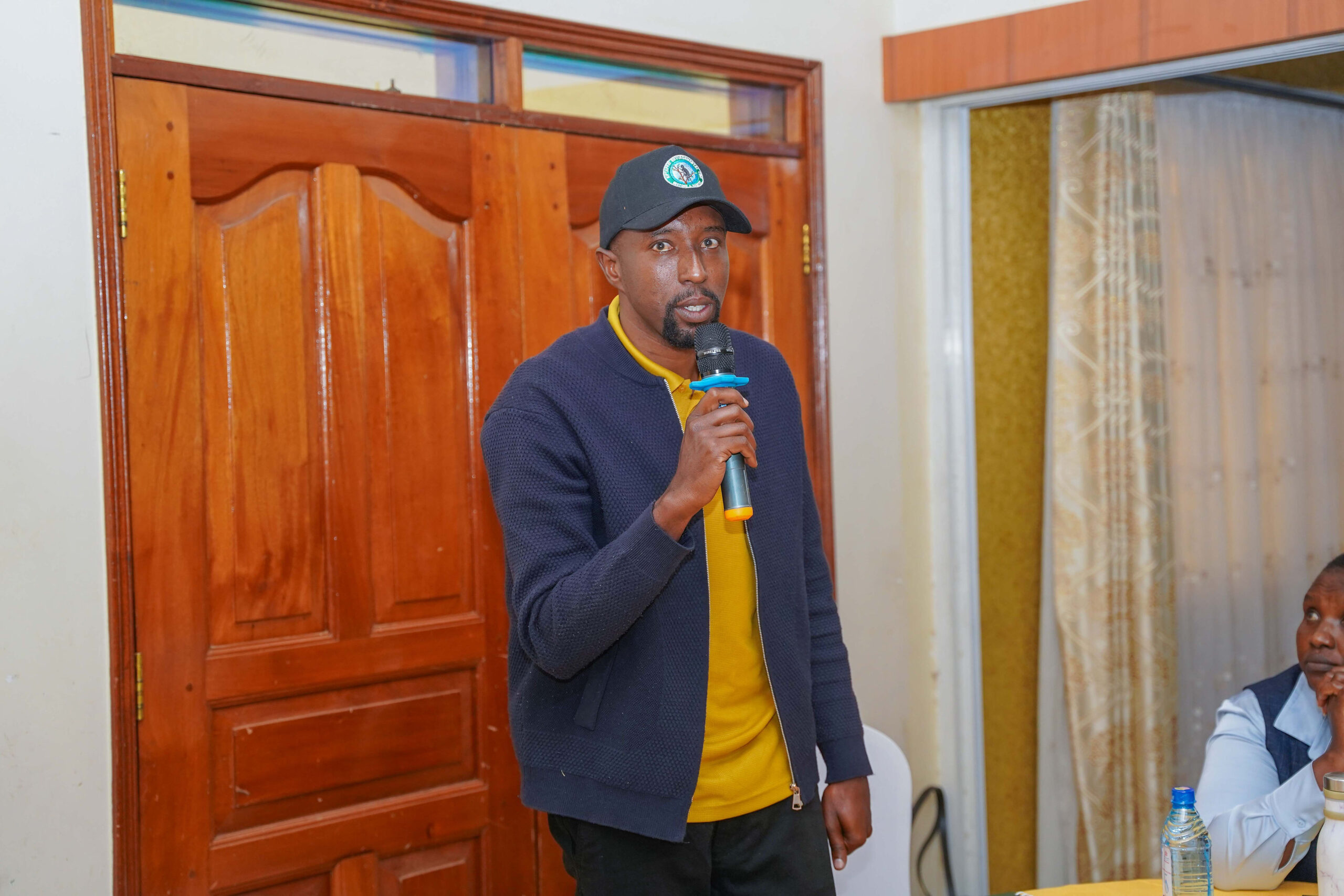
Geofrey Kiprop, a participant from Nandi County, said the workshop enhanced his understanding of the link between gender and climate change. He called on the government to strengthen inter-ministerial coordination to improve climate action outcomes.
Kiprop urged the Ministry of Environment and the Ministry of Agriculture to develop harmonized policies to help prevent and mitigate climate change challenges, particularly those affecting farmers and rural communities.
The workshop stands with a call for continued collaboration among county governments, national institutions, and development partners to ensure that climate action policies are inclusive, gender-responsive, and effective in addressing the growing climate crisis.
About Author