Governor Lenku Condemns Lion Poisoning as Human–Wildlife Conflict Escalates in Kajiado
The governor mentioned that the Kitenden and Sholinke deaths were not merely losses for wildlife but a stark warning that without urgent action.

Kajiado Governor Joseph Ole Lenku .Photo/Courtesy
By Ruth Sang
The poisoning of the lions in the Amboseli ecosystem is a concern for the Kajiado governor, Joseph Ole Lenku, who informed that escalating human–wildlife conflict in the county threatens livelihoods under the law, public safety, and hard-won conservation gains.
In his statement on Saturday, the governor referred to the January events where two cases were reported with the subsequent death of several lions and vultures in different locations of Kajiado County. While the cases were not directly linked, he said they indicated an increase in pressure on shared landscapes where human beings, livestock, and wildlife coexist. 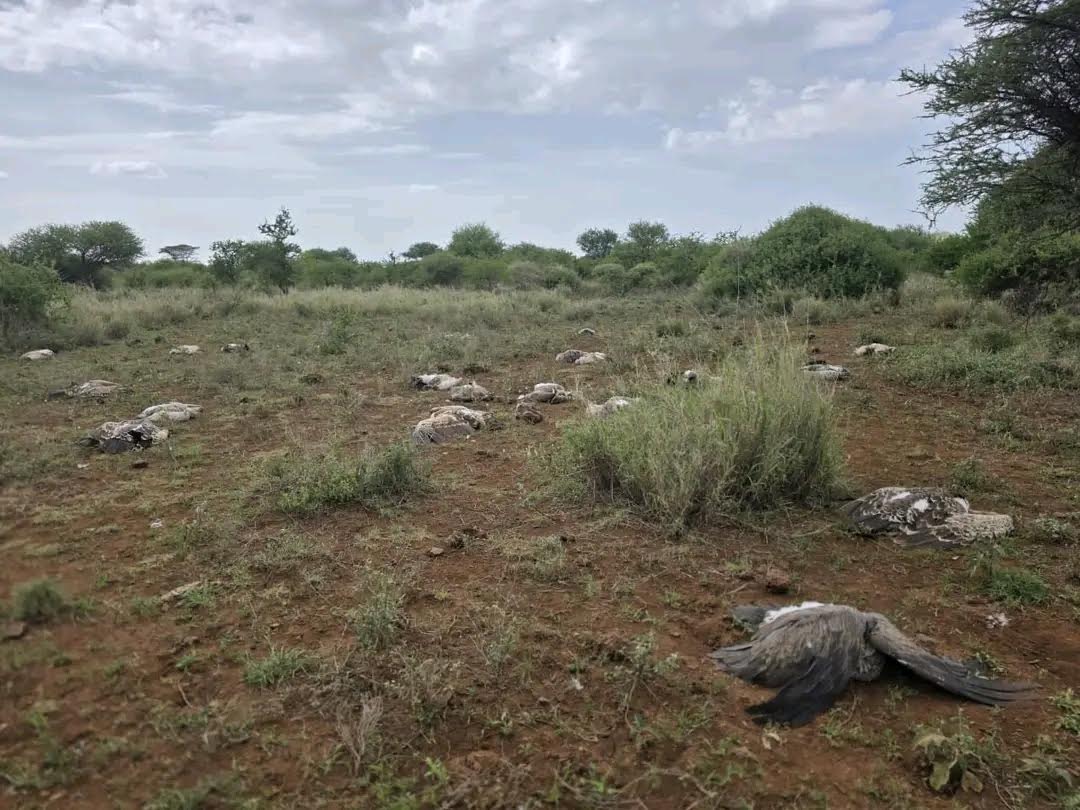
On January 1, six lions and 34 vultures died after consuming poisoned carcasses at Kitenden Community Conservancy, an important wildlife corridor within the southern Amboseli ecosystem. It has been indicated by authorities that the poisoning was deliberate and illegal; it also posed serious risk to livestock, people, and the greater environment through soil and water contamination.
Less than a week later, on January 7, four lionesses were sighted in residential areas of Oloosirkon–Sholinke Ward in the Athi–Kapiti Conservancy, bordering the Nairobi National Park. Attempts by the Kenya Wildlife Service to secure the area and translocate the animals failed as one lioness was killed by members of the public. 
Governor Lenku viewed the incidents as exemplifying the strains building on wildlife habitats as a result of severe drought, decreasing grazing land, ineffective fencing, uncontrolled development, and expanding human settlement in wildlife corridors and buffer zones. He further pointed out that pastoralist communities and wildlife had coexisted for generations, but there was now a huge threat to that coexistence as critical dry-season grazing areas and wildlife dispersal zones disappeared at a staggering rate.
The governor said that the fact the poisoning happened right inside Kitenden, a community conservancy set aside voluntarily for the purposes of promoting coexistence, suggested growing distrust and intolerance with conservation efforts among the communities. He also emphasized the transboundary character of the Amboseli–Kilimanjaro ecosystem that straddles Kenya and Tanzania, thus urging stronger and more organized cross-border cooperation among local communities, conservation institutions, and governmental authorities.
The governor called poisoning a disastrous form of recompense, evidently striking indiscriminately at wildlife, thereby wiping out the vultures and other scavengers, contaminating ecosystems, and endangering human and livestock survival. He said that the people engaged in the poisoning must be tracked and prosecuted.
He reeled that human–wildlife conflict differs from poaching, which is often commercially driven, since fear, fury, and economic loss primarily motivate human–wildlife conflict. “If that situation of retaliation is not addressed urgently, it might lead, as a consequence, to extinction of certain wildlife species, locally,” he said
With respect to the crisis, the governor divulged that the county government was reviewing the conservation strategy with a focus on prior prevention, rapid response to human-wildlife conflict cases, and more serious enforcement enforced against wildlife crimes. The proposed County Conservancies Fund Bill before the Kajiado County Assembly suggested the establishment of a consolation fund to benefit pastoralist communities against losses from human-wildlife conflict.
It is also proposed that the county will set up a high-leverage stakeholder forum to devise practical community-based antidotes toward restoring coexistence. The governor mentioned that the Kitenden and Sholinke deaths were not merely losses for wildlife but a stark warning that without urgent action, coexistence between humans and wildlife in Kajiado would continue to spiral downward.
About Author