Stalling Drainage Works Rage Public Outcry and Health Concerns in Sinai
What was to have been a relief for the Sinai community is now a constant reminder of unmet promises. For now, the residents are still waiting for pertinent action to restore their hope and address the increasing risks they face on a daily basis.
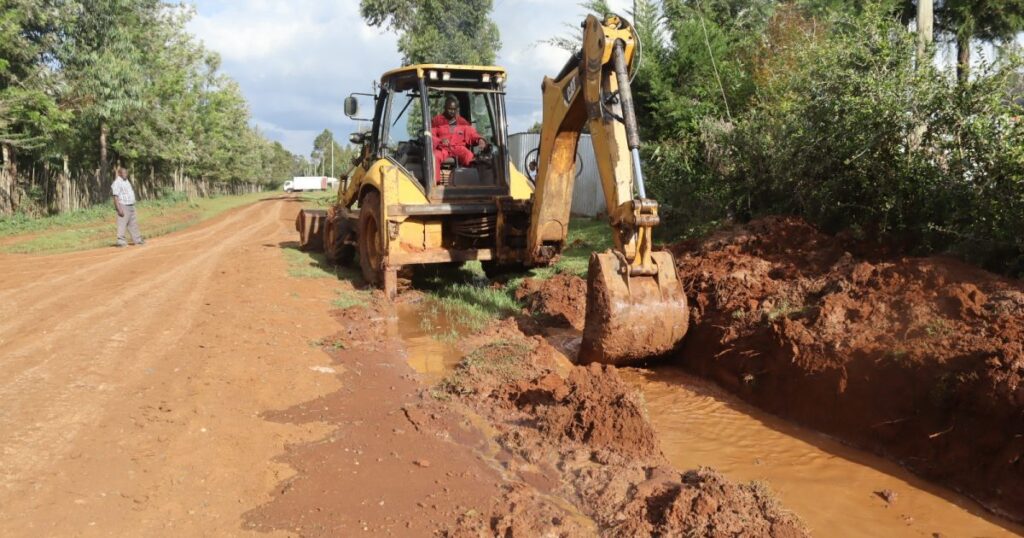
Residents report an increase in health threats, including mosquito-borne illnesses, while open trenches pose dangers to children and the elderly. Some homes have reportedly been vacated as conditions continue to deteriorate. /courtesy
By Ruth Sang
With each day that passes, residents of the Sinai area in Uasin Gishu County grow more and more concerned and agitated that they are being placed in a risky environment as a result of the delay in the drainage work.
The construction of the Sinai Virus Stabex drainage project meant to improve sanitation against diseases and flooding has remained incomplete months after its commencement. According to local leaders, the works were abandoned halfway with drainage lines left open and stagnant with water settling all over residential neighbourhoods.
The project commenced earlier this year and was supposed to run for six months. However, according to the residents, it has remained almost stagnant with much less visible progress despite having received funds of over KSh 12.6 million, seriously putting into question the apparent nonexistence of project oversight, accountability, and proper use of public resources.
An incomplete drainage system has turned the area into a breeding ground for mosquitoes and other disease vectors. With the fear of mosquito-borne diseases increasing on a daily basis, the community members are alleging increases in health risks. The open trenches have also become a safety hazard for children and some elderly people. In some cases, families have reported leaving their homes over deteriorating living conditions.
The unfinished project has affected economic activities in the area. Small-scale traders and vendors interviewed said they had suffered set-backs, with the minor access roads and footpaths disrupted by the stalled works, forcing some to shut down or relocate into other areas.
Community representatives, as well as local leaders, say they have written to the relevant authorities to intervene on numerous occasions. Residents claim that despite earlier demonstrations and complaints filed in writing, no worthwhile response has been given to their concerns.
In a letter of appeal to the Uasin Gishu County Department of Environment, the community indicated that it was dissatisfied with the protracted prolongation and warned that an incomplete project now seriously threatens the health and wellbeing of over 7,000 residents who feel abandoned by those responsible.
Now the residents have given a seven-day ultimatum, calling for the immediate resumption of construction works. Failure to comply with the ultimatum, they said, would result in the residents seeking redress through the Constitution, which guarantees them the right to a clean and healthy environment under Article 37.
With the increasing tension, the residents noted that they support development programs but insisted that the projects should be undertaken fairly, transparently, and with consideration for human dignity.
What was to have been a relief for the Sinai community is now a constant reminder of unmet promises. For now, the residents are still waiting for pertinent action to restore their hope and address the increasing risks they face on a daily basis.
About Author