KWS Recovers Body of Missing Porter After Weeks-Long Search on Mount Kenya
KWS went on to urge trekkers, guides, and porters to follow safety directions strictly, keep an eye on weather conditions, and ensure apt planning before setting forth into mountain undertaking.
By Ruth Sang
Kenya Wildlife Service (KWS) has confirmed that the porter who had gone missing while trekking in Mount Kenya is dead after the recovery of his body nearly three weeks after an exhaustive search and rescue operation within the national park.
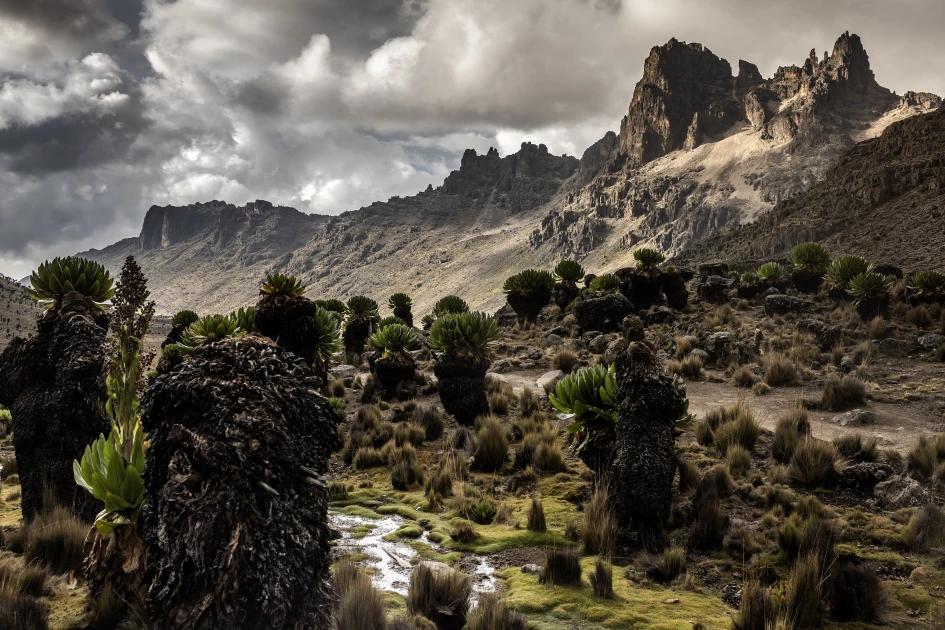
In a statement released to the press on January 9, KWS confirmed the body of **Samuel Macharia Wanjohi** was found on the Sirimon–Shipton trekking route deep inside Mount Kenya National Park in an area called Hinde Valley, a high-altitude area approximately 4,300 metres (14,110 feet) above sea level that is notorious for its steep terrain and harsh weather conditions.
Wanjohi is reported to have gone missing on **December 23, 2025**, while trekking on the popular Sirimon–Shipton route. Upon receipt of the report of his disappearance, KWS activated its Mountain Search and Rescue Unit in line with its responsibility for ensuring the safety of visitors and workers within such protected mountain ecosystems. A formal report was also lodged at **Chogoria Police Station** under Occurrence Book number **30/24/2/2025**, further eliciting an emergency response.
The search operation involved the collaboration of several organizations including KWS rangers, Mountain Search and Rescue Team, National Police Service, as well as local mountain guides and porters with the expedition experience. The search effort employed both aerial surveillance and ground patrols as the teams combed through enormous and difficult parts of the mountain in an attempt to find the missing porter.
According to KWS, search operations ventured into key areas including **Shipton Camp, Austrian Hut, Mackinder’s Valley, Sendeyo, Hinde Valley, Mintos, and the Timau Route** and nearby areas. The agency noted rescue attempts were made under very harsh conditions including rugged terrain, freezing temperatures, unpredictable weather, and poor visibility with each factor significantly limiting the efforts on-ground.
Rescue work continued despite the trying conditions, partly assisted by the local mountain community and Wanjohi’s family, who continually gave supportive information and encouragement to the search teams. After searching almost for three weeks without success, on January 9, the teams found Wanjohi’s body, thus closing the rescue operation.
KWS deeply regretted the unfortunate passing and expressed condolences to the family and friends of the deceased, fellow guides, and the whole Mount Kenya community. The agency acknowledged the importance of porters and guides in the mountain tourism of Kenya, who are often working under very challenging and hazardous circumstances.
“Kenya Wildlife Service remains committed to safeguarding lives within Kenya’s protected mountain landscapes and continues to strengthen mountain safety, emergency preparedness, and coordinated emergency response mechanisms,” read the statement in part.
Every year, Mount Kenya braves thousands of trekkers, yet KWS notes the risks of high-altitude trekking to even the most seasoned climbers. KWS went on to urge trekkers, guides, and porters to follow safety directions strictly, keep an eye on weather conditions, and ensure apt planning before setting forth into mountain undertaking.
Samuel Macharia Wanjohi’s untimely demise is a grim reminder of the threats that Kenya’s mountainous regions pose and a clarion call that much still needs to be invested in mountain safety and rescue capability.
About Author