Health Experts Call for Rights-Based, Medically Led Approach to Disability Management
The caregivers were also offered counselling sessions to empower them with skills to handle children with disabilities.
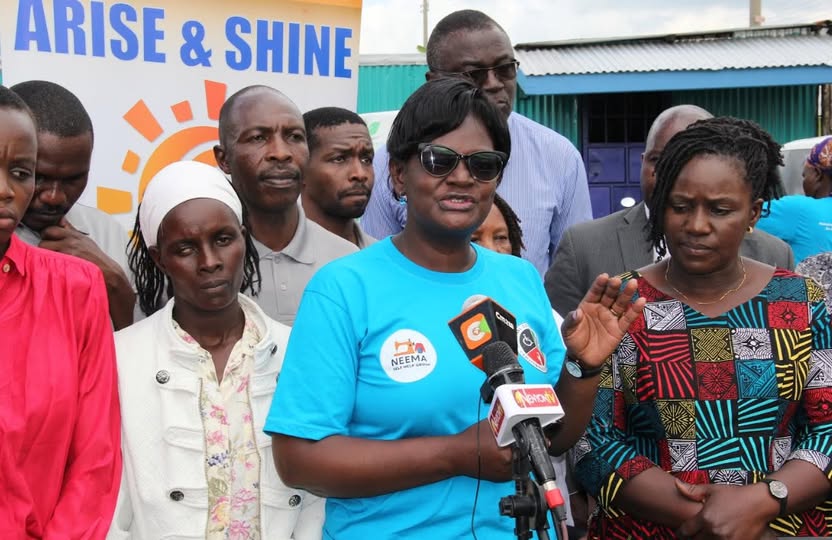
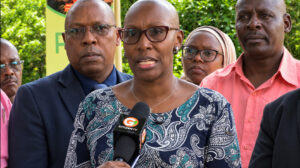
On matters of prevention, Dr. Wachuma emphasized the role of skilled delivery assistance and complete child immunization in attenuating preventable disabilities. Photo/Courtesy
By Ruth Sang
Professionals in the health sector and social stakeholders have noted with worry the stigma associated with disability in some communities, which continues to deprive Persons Living with Disabilities (PWDs) of access to medical health and support services. They advocated for a coordinated medical and rights approach in disability management to enhance well-being for people with disabilities.
While addressing guests during celebrations to mark Persons with Disabilities Day and an early Christmas event at Reformed Baptist Church along the Brooke-Kericho Road, a physiotherapist with the Ministry of Health, Milka Wachuma, stated, “Disability is still widely stigmatized in our country where parents prefer to hide children with disabilities instead of taking them to medical institutions.”
“Disability is still stigmatized in our society. Families keep their children with disabilities hidden rather than taking them for medical assessment and treatment. When people are hidden, we can’t assess them and therefore can’t offer interventions which can lessen disability,” explained Dr. Wachuma.
She observed that in most cases where medical attention is lacking or delayed, situations worsened when they could have otherwise been controlled and prevented with early treatment and rehabilitation. As stated by Dr. Wachuma, consideration of disability in public health matters is very important in responding to issues relating to PWDs and their families.
The conference saw the assembling of health providers, caregivers, religious leaders, and representatives from community-based organizations, all of whom reiterated a call for a holistic and inclusive approach towards disability. The event highlighted concerns from participants that stigma, delayed treatment, and support for caregivers were eroding the physical, emotional, and social well-being of people with disabilities.
Dr. Wachuma highlighted the need for early identification and subsequent enrolment of people with disabilities in order to connect them with relevant health and social services. She emphasized the need for continuous rehabilitation programs and usage of medical assistive devices based on individual requirements.
She warned against a common trend of distributing such devices without any medical screening, stating that if such donations are not well supervised, they can sometimes do more harm than good or may not necessarily address a particular need among the target population.
On matters of prevention, Dr. Wachuma emphasized the role of skilled delivery assistance and complete child immunization in attenuating preventable disabilities. She emphasized that improving MCH remains a very vital pillar in the prevention of situations leading to disabilities.
As part of the festivities, children with disabilities and those taking care of them were offered psychosocial support, medical sensitization, and recreational activities meant to promote inclusivity and joy. The caregivers were also offered counselling sessions to empower them with skills to handle children with disabilities.
Religious leaders and social institutions in attendance at the event challenged families to forgo hurtful beliefs in favour of medical advice, empathy, and acceptance. They called on government and other stakeholders to invest more in disability support programs and educational campaigns to overcome stigma and promote acceptance. The forum ended with a commitment to promote the rights, health, and dignity of people with disabilities, with a focus on inclusive health and early interventions that have the potential to transform lives and communities.
About Author