Calls Intensify for Inclusive Laws to Empower Persons with Disabilities
The event reinforced Kenya’s commitment to equality, non-discrimination, and leaving no citizen behind in national development.
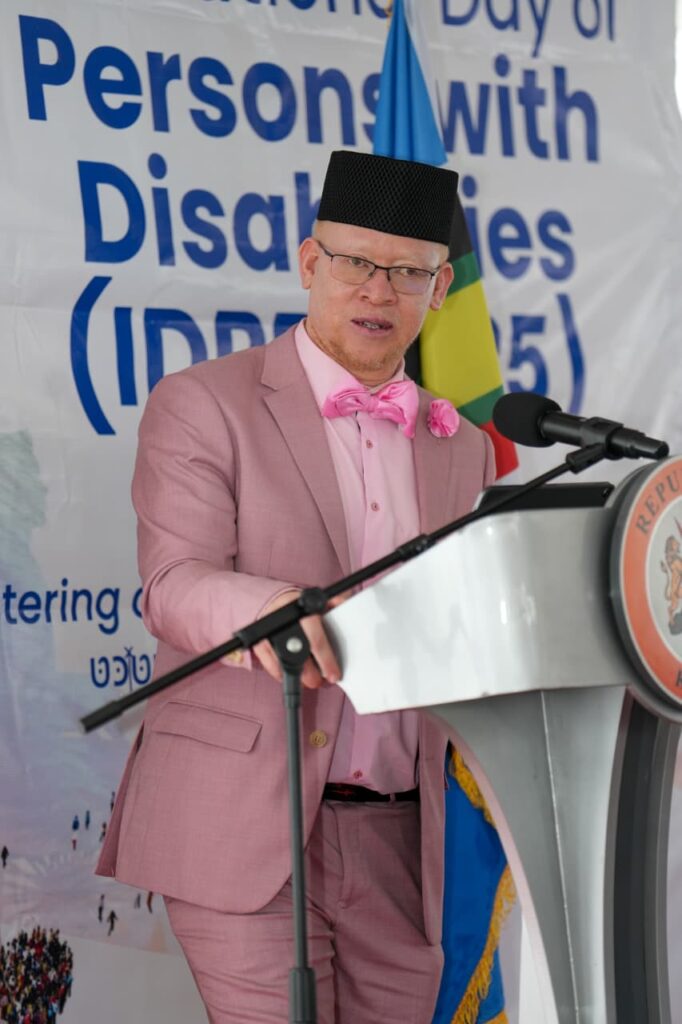
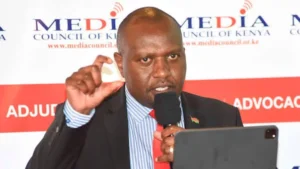
Government Spokespersons Isaac Mwaura. Photo/Courtesy
By Ruth Sang
Kenya joined the rest of the world in marking the International Day of Persons with Disabilities, with government officials, development partners, and representatives of persons with disabilities noting that there is an urgent need to adopt inclusive policies, accessible infrastructure, and full participation in social and economic development.
During an event held at the Kenya Society for the Blind in Nairobi, Government Spokesperson Dr. Isaac Mwaura underscored the continued integration of PWDs into national development. While speaking during his weekly briefing, he said that this year’s theme, “Supporting Disability-Inclusive Societies for Advancing Social Progress,” reflects the constitutional commitment of Kenya that every citizen plays a part in national growth with no discrimination.
Dr. Mwaura highlighted the operationalisation of the Persons with Disabilities Act 2025, domesticated from the UN Convention on the Rights of Persons with Disabilities. The law strengthens provisions on inclusive education, accessible infrastructure, reasonable accommodation, participation, and institutional accountability across national and county governments. “The government prioritizes disability inclusion as a cross-cutting agenda under the Constitution and the Bottom-Up Economic Transformation Strategy,” he said.
He stated that there are over 50,000 households that have benefited from government cash transfers targeting persons with severe disabilities like autism, Down syndrome, cerebral palsy, and intellectual disabilities. To ensure inclusivity, the government has increased the youth disability age bracket from 29 to 35 years. Development in education and health for PWDs includes improved learning resources, trained specialized teachers, and ICT-based tools, as well as community-based rehabilitation programs providing assistive devices at primary healthcare facilities.
Dr. Mwaura also noted the rising political representation of PWDs, citing appointments in commissions, Parliament, Senate, and the judiciary, which strengthens inclusion and equitable access to decision-making structures. “Persons with disabilities must be enabled to participate fully in society. Inclusion allows individuals to contribute meaningfully toward national development,” he said.
NGEC Chairperson Rehema Jaldesa said there is a need to reinforce the rights of persons with disability through full enforcement of the Act by the government, county administrations, and private sector actors. She called for mainstreaming of disability inclusion in policies, budgets, and plans on education, health, housing, transport, and social protection.
Development partners also pressed for inclusion: Mathias Kamp, Country Director of Konrad Adenauer Stiftung, said that minority groups, which include PWDs, must be given a voice in governance. Brigid Songok, nominated MCA and Chair of the UDA Disability Caucus, also called for attitudinal change, saying that persons with disability must be regarded as leaders and contributors, not charity recipients. Dr. Mwaura reiterated government commitment to coordination across ministries, agencies, and organizations of PWDs to ensure participatory decision-making and implementation of policies that address their needs and concerns. The event reinforced Kenya’s commitment to equality, non-discrimination, and leaving no citizen behind in national development.
About Author