Deadly Clashes Over Water Well Leave 33 Dead in Southwestern Chad
There were efforts to mediate between the rival groups and provide humanitarian assistance to the affected families in the country.
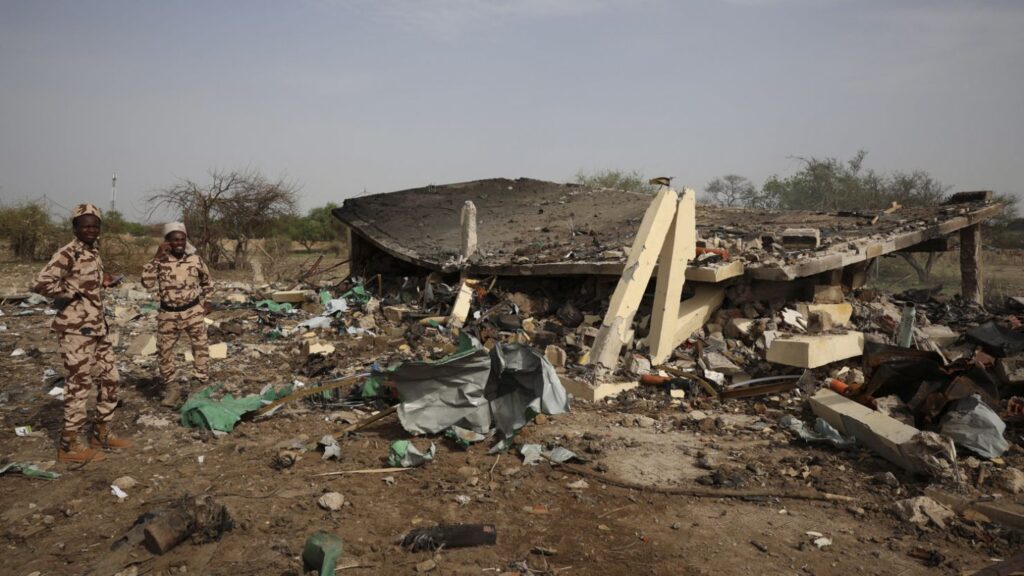
The incident happened near Ngoura village in Hadjer-Lamis province, close to the border with Bahr-El-Gazel province. Photo/Courtesy
By Linda Kisia
At least 33 people have died after two rival communities clashed in southwestern Chad, in a deadly fight over the ownership of a water well. The confrontation has marked an escalation of violence in the countryside, where competition for natural resources has increasingly caused clashes that claim many lives.
The incident happened near Ngoura village in Hadjer-Lamis Province, bordering Bahr-El-Gazel Province. According to local authorities, the clash broke out over a well as members of two neighboring communities each claimed rights to it. The well serves as a source of water for people and livestock in the arid region.
According to the officials, in Hadjer-Lamis, 18 people were killed, while about 20 others were injured, and in Bahr-El-Gazel, 15 more deaths were registered, with several others injured. The two communities are mourning the high number of casualties, amid rising fears of renewed violence.
The Chadian government has sent high-ranking officials and army personnel to the scene in an effort to ease tensions and restore calm in response to the tragedy. Security forces have also been deployed to prevent further bloodshed and protect civilians from potential retaliatory attacks.
Conflicts between different communities keep occurring in Chad’s rural provinces and are often ignited by competition for limited resources, such as agricultural land, pasture, and water. With the semi-arid climate hardened by population pressure and desertification, access to water has become a matter of life and death in many instances.
Authorities believe the recent confrontation may have roots in a long-standing territorial disagreement between the two groups — a conflict that, according to local leaders, dates back several decades. Despite previous peace efforts, mistrust and competition for survival have continued to fuel animosity.
The government, in a statement on Friday, condemned the killings and promised to investigate the matter thoroughly. It promised close collaboration with traditional and religious leaders from both communities to broker a lasting peace in order to prevent such tragedies in the future.
A spokesperson said the government would not tolerate violence that threatened national unity and social harmony, while there were efforts to mediate between the rival groups and provide humanitarian assistance to the affected families. The deadly clash serves as another reminder of the urgent need for sustainable water management and conflict resolution mechanisms in Chad, where resource-based violence continues to claim lives and destabilize local communities.
About Author