Uasin Gishu Faces KSh 2 Billion Revenue Shortfall Amid Graft Scandal
The KSh 2 billion shortfall has resulted in stalled infrastructure works, delayed hospital upgrades, and cuts to youth and women empowerment funding.
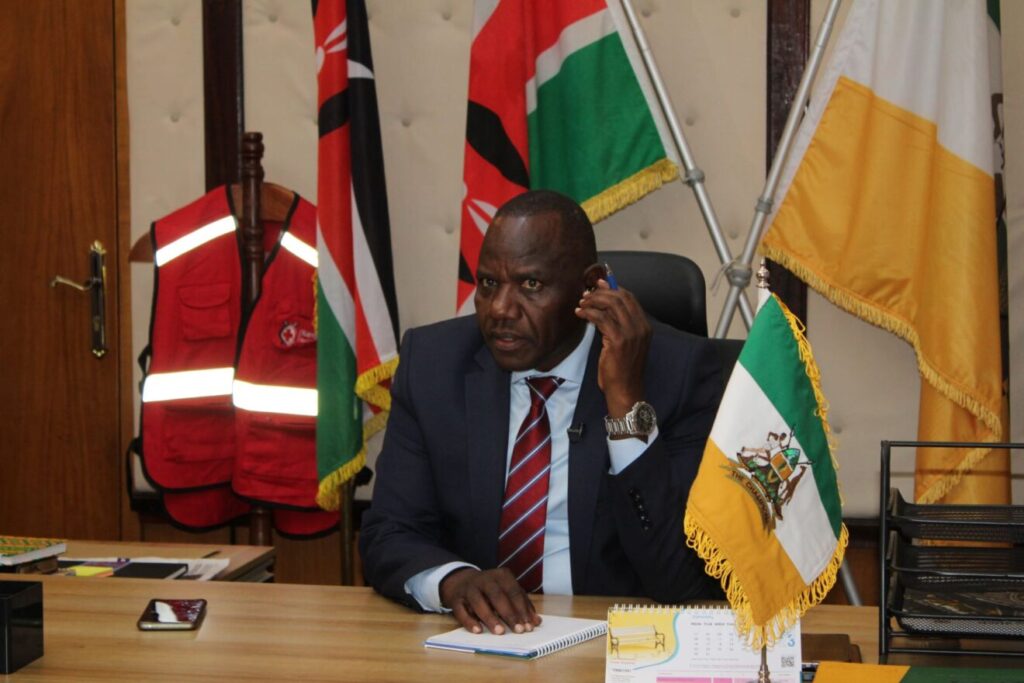
Uasin Gishu Governor Jonathan Bii. Photo/Nairobi News.
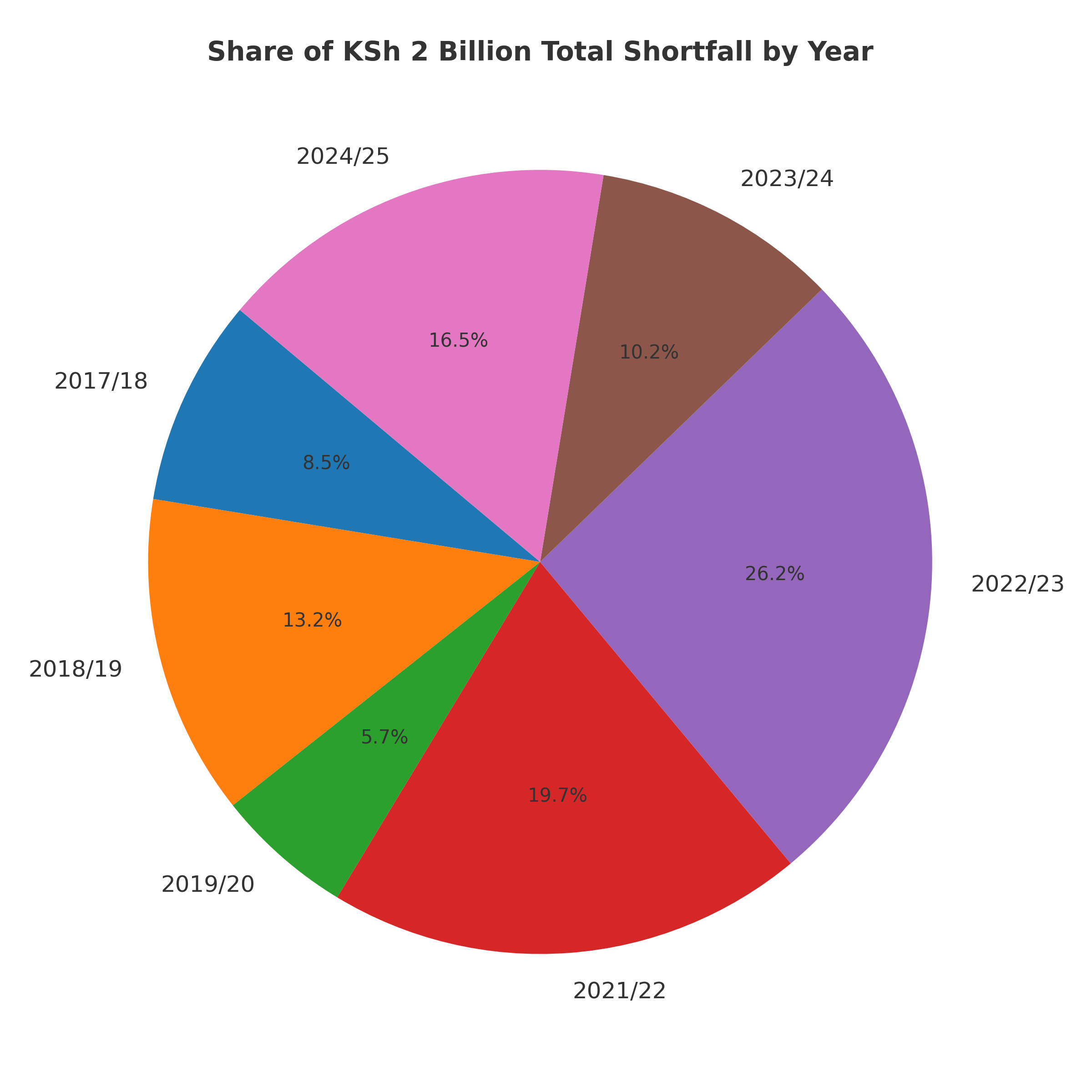
Uasin Gishu County has failed to meet its own-source revenue targets in seven of the past eight financial years, resulting in a cumulative shortfall of over KSh 2 billion—a gap blamed for stalled development projects and sluggish economic growth.
The county, despite introducing new revenue streams and seeing a surge in business establishments, only achieved its revenue goal in FY 2020/21.
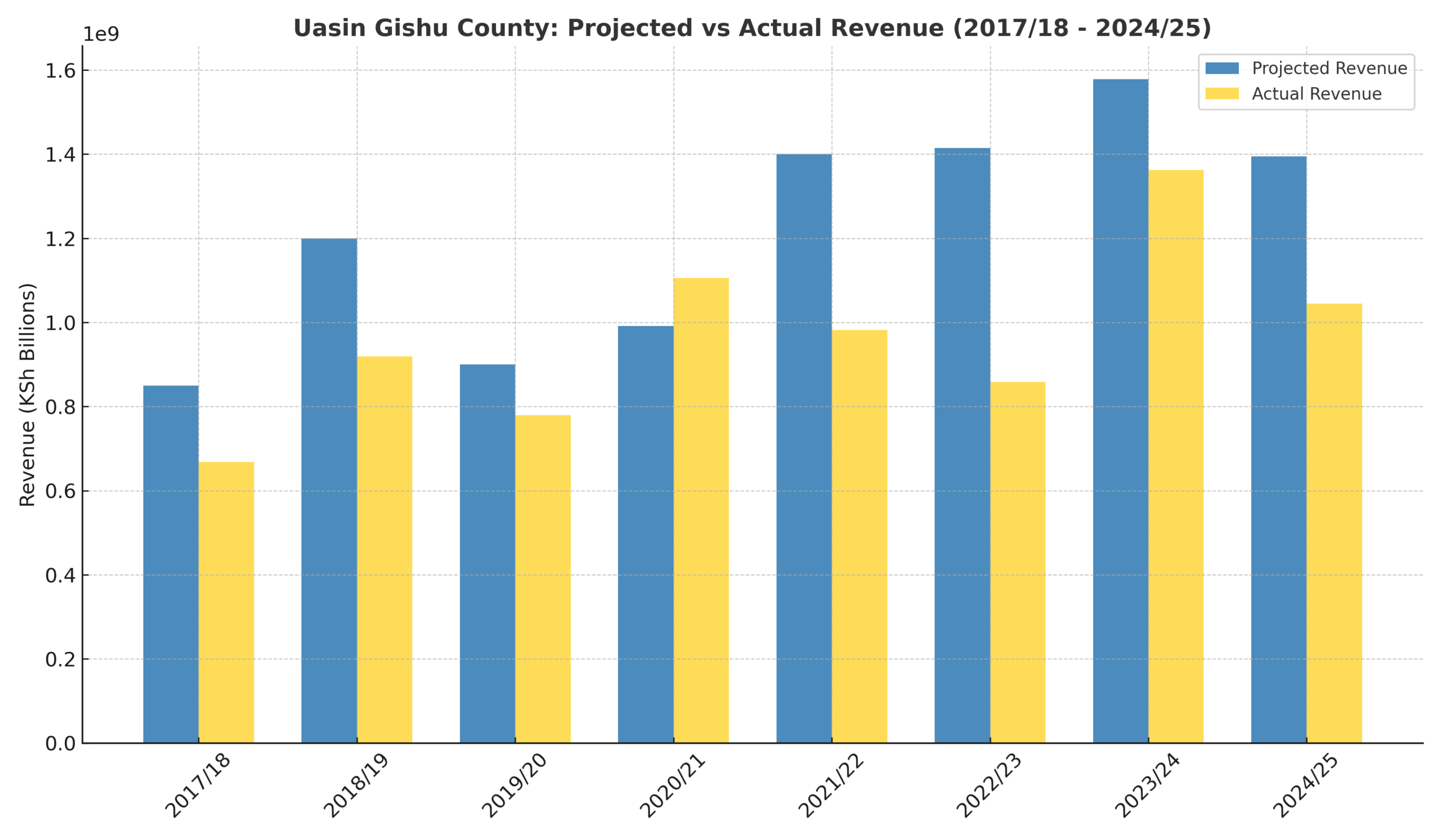
Total Shortfall: KSh 2,009,718,846
(Source: Uasin Gishu County Assembly Statement, Aug 2025)
Corruption Concerns Deepen the Crisis
The fiscal struggles come as Uasin Gishu tops the list of Kenya’s most corrupt counties, according to the Ethics and Anti-Corruption Commission (EACC). The county leads in average bribe size, with residents paying KSh 25,873 to access public services—well above the national average.
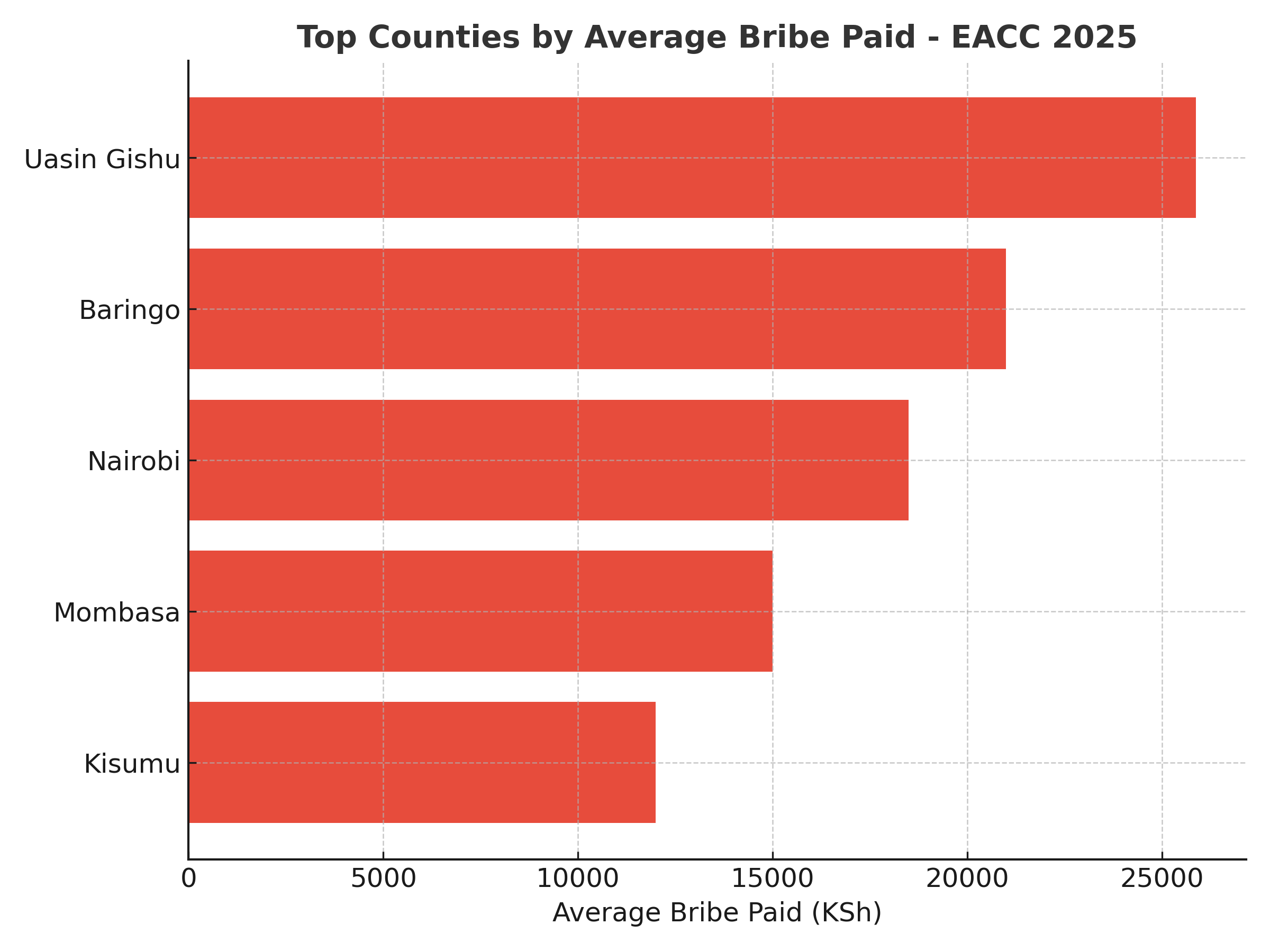
Key corruption statistics:
-
11.12% of all bribes in Kenya are paid in Uasin Gishu.
-
Highest number of reported corruption cases nationwide.
-
Bribes are prevalent in almost every public service point.
“The combination of chronic revenue deficits and runaway graft is a double blow to residents who deserve better infrastructure and services,”
— Hon. David Keittany, MCA, Sergoit Ward
Impact on Development
The two-billion-shilling shortfall has been linked to:
-
Stalled road and market projects across the county.
-
Delays in healthcare facility upgrades.
-
Reduced funding for youth and women empowerment programs.
Hon. Keittany has called for:
-
Full transparency in revenue collection via digitization.
-
Crackdowns on graft with whistleblower protections.
-
Public involvement in budget monitoring to restore trust.
“This is not just a budget problem—it’s a governance crisis. We must fix both to move forward,”
Hon. Keittany
About Author