Families of Independence War Veterans from Western Kenya Demand Recognition and Compensation
Their objective is to advocate for fair compensation and justice for the families who have endured years of hardship.
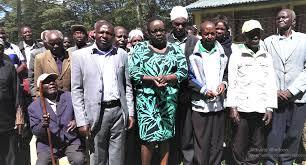
Photo/Courtesy.
By Juliet Jerotich
Families of war veterans who participated in Kenya’s fight for independence through the Dini ya Msambwa movement in Western Kenya are calling on both the Kenyan government and former colonial powers to compensate them for decades of neglect.
The families, feeling sidelined in the country’s post-independence narrative, have expressed frustration that their contributions have largely been ignored despite the heroic legacy left by their forefathers. Many of these veterans played pivotal roles in the struggle for liberation and continue to be remembered for their courage.
To address their longstanding grievances, the families have come together to form a Public Benefit Organization (PBO), aimed at tracing and organizing descendants of Mau Mau and other freedom fighters from the region. Their objective is to advocate for fair compensation and justice for the families who have endured years of hardship.
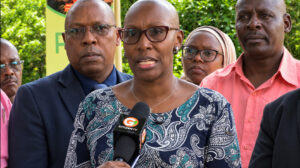
During a public participation forum on the proposed Public Benefits Organizations Regulations 2025, held in Kakamega, members of the Mau Mau War Veterans (MMV) Western Kenya submitted their formal memorandum to the Public Benefits Organizations Regulatory Authority (PBORA).
Amos Wanjala, the MMV Kakamega Coordinator, highlighted the difficult conditions many of the veterans and their families live under. He said that the few remaining independence fighters are struggling, while the families of those who passed away continue to live in poverty and despair.
Wanjala said MMV is collaborating with several like-minded institutions including the Jeremiah Mugi Foundation, Dedan Kimathi Foundation, and other Mau Mau War Veterans groups to push for justice and recognition.
The organization has already identified descendants of notable war veterans such as Elijah Masinde, Israel Khaoya Nyagah, and Walimoli Wekuke. Elijah Masinde, a central figure in the Dini ya Msambwa movement, was exiled to Lamu after the colonial administration declared the religious movement illegal in 1948. He was released in 1960 but later re-detained until 1978. Wekuke was exiled alongside him.
“I appreciate the MMV initiative, which is working to register us so we can finally receive compensation from the colonial powers who ruled Kenya,” said Cosmas Chaka, who identifies as a descendant of Elijah Masinde.
Erick Bisuche Wekuke, a resident of Ndalu, stated that families of the fighters were denied proper education and lived under constant fear and harassment due to their association with resistance leaders. He added that prolonged absences of the fighters—most of whom were imprisoned or exiled—left families struggling to survive.
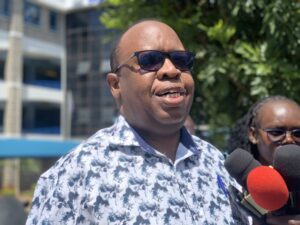
Bungoma County MMV Chairperson, Arap Mwok Psomboi Wapsambu, confirmed that efforts to identify more families are ongoing, with the aim of ensuring that no deserving family is left out of future reparations.
“We want the injustices committed during the colonial era to be addressed once and for all,” he emphasized. “Even those who supported the fighters by providing shelter and aid during the struggle should be acknowledged.”
Arap Mwok called on the government to honor the memory of those who fought for Kenya’s freedom by ensuring that their families live with dignity and receive the recognition and support they have long deserved.
About Author