Huduma Kenya Unleashes Engineering Services Across 10 Counties
“We are decentralizing access to certification, empowering young professionals, and raising the bar of technical excellence in Kenya,” Eng. Florence Kigo

Dr. Jacob Mbijiwe (left), representing the Principal Secretary in the State Department for Public Service and Human Capital Development, during the official launch of KETRB services at Huduma Centre Eldoret.
In a strategic move to address the country’s persistent shortage of certified technical professionals and eliminate unregulated engineering practices, Huduma Kenya has partnered with the Kenya Engineering Technologists Registration Board (KETRB) to launch engineering technologist services in 10 Huduma Centres across Kenya.
The rollout—officially launched at Huduma Centre Eldoret—introduces key services including the registration of engineering technologists, technicians, technology firms, artisans, and craft persons, now accessible in Eldoret, Garissa, Meru, Makueni, Mombasa, Makadara, Nyeri, Bomet, Kakamega, and Kisumu.
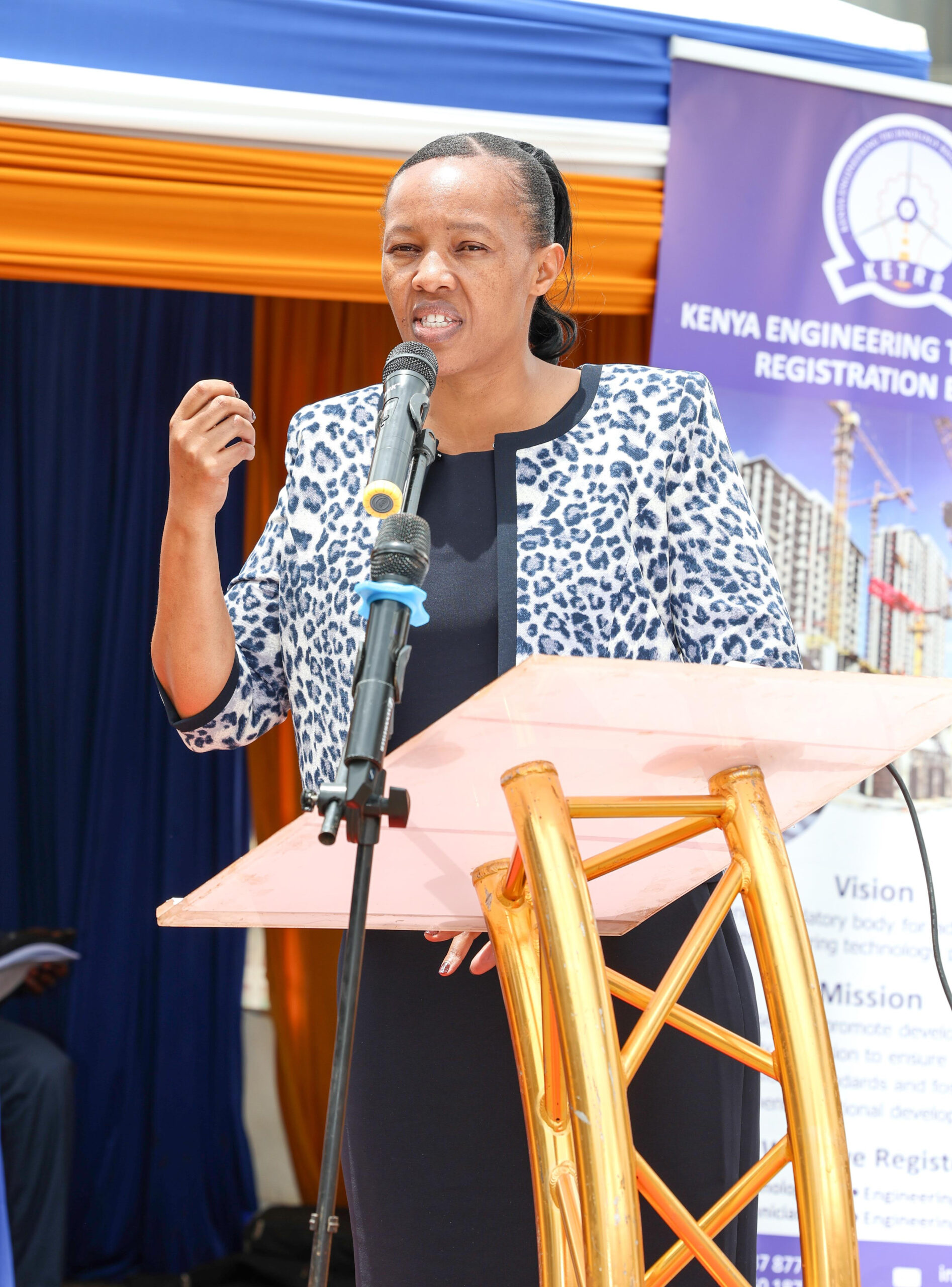
“We are decentralizing access to certification, empowering young professionals, and raising the bar of technical excellence in Kenya,” said Eng. Florence Kigo, CEO of KETRB. “This will also address risks posed by unlicensed practitioners handling sensitive infrastructure work.”
Alarming Gaps in Engineering Oversight
According to a 2022 report by the Engineers Board of Kenya (EBK), only 16,000 engineers and technologists are licensed in a country where over 80,000 are practicing, with the majority operating without formal recognition or regulation. This gap has directly impacted the quality of infrastructure projects—resulting in stalled or collapsed developments due to poor workmanship.
The Auditor General’s report (2021) highlighted that numerous county projects suffered delays, inflated costs, and substandard implementation due to the engagement of unqualified or unregistered technical personnel.
“You can’t achieve Vision 2030 or Bottom-Up Economic Transformation if the people driving industrial growth are not professionally recognized,” said Dr. Jacob Mbijiwe, who represented the Principal Secretary for Public Service and Human Capital Development. “This is why we’re urging all MDAs to integrate their services into Huduma Centres.”
KETRB’s mandate, established under the Engineering Technologists and Technicians Act No. 23 of 2016, is to professionalize the engineering sub-sector by enforcing ethical standards, ensuring safety in technical practice, and improving career progression among diploma and certificate-level practitioners—groups often excluded from mainstream professional platforms.
Job Market Linkages and Economic Uplift
The partnership is not just regulatory—it’s also economic. Through these Huduma Centres, youth from Technical and Vocational Education and Training (TVET) institutions will now find easier access to job-ready certifications, unlocking opportunities in both local infrastructure projects and global engineering assignments.
“This collaboration with KETRB allows us to respond to the needs of Kenya’s growing technical workforce,” said Huduma Kenya CEO Ben Kai Chilumo. “We are making it easier for qualified individuals to join formal systems and access opportunities in government and private sector projects.”
Kenya currently faces a skills mismatch of nearly 55%, according to a 2023 report by the World Bank, especially in construction and manufacturing. Many qualified youth are unable to access jobs due to lack of professional registration—a challenge this Huduma-KETRB partnership aims to solve.
“This is about dignity, opportunity, and economic transformation,” said Samuel Maina, who represented the Principal Secretary for Roads. “With these services now accessible at the community level, we are unlocking potential in places that were previously overlooked.”
This move is expected to create new pathways for recognition of technical skills and expand the government’s capability to track and regulate engineering professionals. It also paves the way for deeper reforms in Kenya’s technical workforce ecosystem, aligning with the government’s Vision 2030 and TVET Transformation Agenda.
“Kenya’s economic transformation cannot happen without a robust technical base. Let’s empower our artisans and technologists, not just with tools, but with identity and dignity,” concluded Eng. Kigo.
About Author