Nakuru Smallholder Farmers Embrace Indigenous Knowledge to Strengthen Food Production Amid Climate Strain
They add that indigenous seeds are a matter of the survival of future generations amidst an increasingly unpredictable climate.
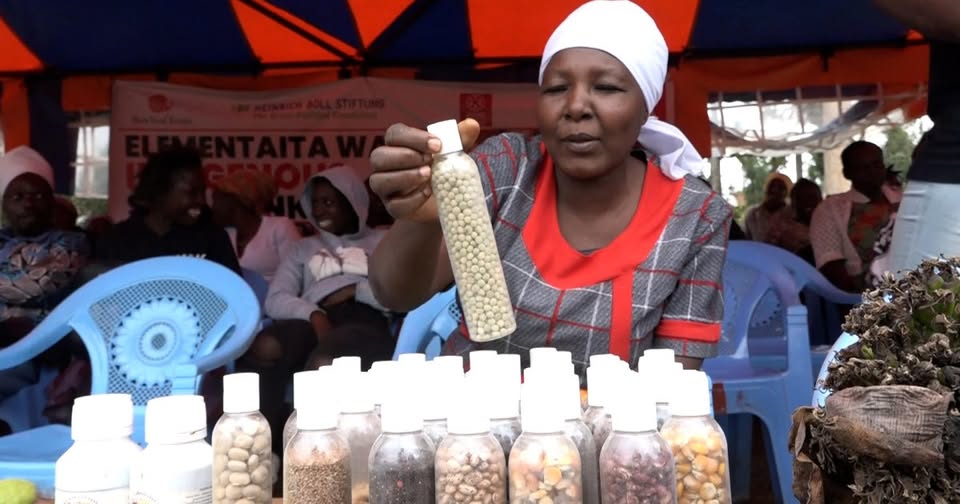
The law further stipulated that anyone who sells seeds without certification or offers varieties that do not meet official standards will have committed an offense. Photo/Courtesy
By Ruth Sang
Smallholder farmers are increasingly reverting to indigenous knowledge systems and agroecological practices amidst unpredictable rainfall patterns propelled by climate change in Nakuru County. The farmers look forward to protecting their harvests and stabilizing their livelihoods by trusting in traditional farming wisdom and climate-resilient seeds.
Among them is 53-year-old Francis Ngiri, who has been actively multiplying and storing indigenous seed varieties known for their resistance to dry spells and resistant to common pests. These seeds require far less water than their hybrid alternatives and are proving vital in ensuring consistent yields despite recurring droughts.
Community-led efforts, such as the Eden Indigenous Seeds Network, are helping to revive and scale this up. It champions soil regeneration, biodiversity, and a reduced reliance on synthetic fertilisers and pesticides. Farmers involved say the revival of these traditions is bringing back the food security and resilience that earlier generations enjoyed.
Ngiri remembers how their elders used to do it: how communities would rely on seeds, carefully preserved in gourds and granaries. “Our grandparents remained food-secure because they kept their best seeds and passed them down. We abandoned these practices and made ourselves more vulnerable to climate shocks,” he said.
A recent High Court ruling by Justice Rhoda Rutto has been a major boost for communities in seed saving, declaring several provisions of the Seed and Plant Varieties Act of 2012 unconstitutional. The decision effectively lifted restrictions on preserving, exchanging, and multiplying indigenous seeds—an activity previously criminalised under the law.
Before the ruling, the Act prohibited the sale, barter, or exchange of uncertified seeds, including traditional varieties. Offenders risked fines of up to Sh1 million, imprisonment for up to two years or both, for engaging in unauthorized seed-related activities.
The law further stipulated that anyone who sells seeds without certification or offers varieties that do not meet official standards will have committed an offense. These restrictions had long been criticized by farmer groups, which argue they hit small-scale growers reliant on informal seed systems particularly hard.
Gideon Muya and Mercy Chepkemoi, among other experts, say that the decision marked the beginning of recognizing and giving more strength to FMSS. They call for digitization of seed information, setting up indigenous seed banks, and full integration in national policy for FMSS. Farmers and civil society organizations argue that free sharing of seeds cuts production costs, while also improving climate resilience and protecting biodiversity and traditional Kenyan food systems. They add that indigenous seeds are a matter of the survival of future generations amidst an increasingly unpredictable climate.
About Author