KMPDU Endorses Duale’s Policy, Raises Alarm Over Abuse of Foreign Doctors in Kenya
According to Dr. Maghanga, all this will eventually undermine safe patient care and, more so, for the low-income population in Kenya.

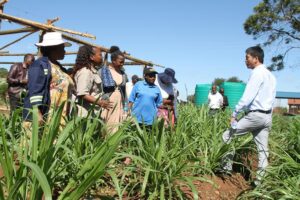
According to KMPDU, more than 300 foreign doctors have been licensed to practise in Kenya in recent years, with over 3,000 having worked in the country over the last three years. Photo/Courtesy
By Ruth Sang
KMPDU put its weight behind the Health Cabinet Secretary Aden Duale’s directive on engaging foreign doctors, stating that widespread abuse of labour, immigration and wages threatens medical professionalism and patient safety.
On Thursday, while addressing journalists, KMPDU Secretary-General Dr. Davji Atellah said the union strongly supports the Minister’s directive, which he noted was in tandem with the different legal frameworks and confronts what he termed “modern-day slavery” in sections of the private healthcare system in Kenya.
Dr. Atellah disclosed that in recent years, more than 300 foreign doctors were licenced to practice in Kenya, over 3,000 having worked in the country in the last three years. While KMPDU clarified that it does not oppose the employment of foreign professionals, it raised concern over the conditions under which many are recruited, especially in the Private and Mission hospitals.
According to the union, numerous establishments are hiring foreign doctors under conditions that violate both the Collective Bargaining Agreements and the guidelines set forth by the Kenya Medical Practitioners and Dentists Council (KMPDC). Thus, Dr. Atellah stated, some foreign doctors are being paid as little as 40,000-50,000 Kenyan shillings monthly, which, according to him, is abysmally low, very exploitative and absolutely immoral.
“That levels of pay is a clear breach of the law. It exploits the doctors involved and undermines the ethical foundation upon which medical practice is built.”
KMPDU further alleged that some healthcare institutions openly disregard immigration laws by employing foreign doctors without valid work permits or by failing to meet the conditions attached to Class D work permits. The union has also accused the employers of not having demonstrated that the specialised skills they seek are unavailable locally when thousands of Kenyan doctors are unemployed or under-employ.
Dr. Miskellah Maghanga, Deputy Secretary-General, compared this situation to the notorious Cuban doctor imports, used to undermine local practitioners and force them to work under untenable conditions.
Dr. Maghanga explained that “we were told experts were being brought in, but in reality, we ended up training them”. He added that “importing foreign doctors while sidelining our own trained professionals is self-defeating”.
The union also mentioned private hospitals, accusing them of prioritising profits over patient welfare by recruiting doctors from countries such as India, Egypt and Pakistan. According to KMPDU, these doctors are subjected to excessive workloads and unrealistic expectations while being paid wages that do not match the responsibility and risk involved in their work.
According to Dr. Maghanga, all this will eventually undermine safe patient care and, more so, for the low-income population in Kenya. Furthermore, he stated that recent scandals in the healthcare sector, including those surrounding kidney transplant services, illustrate the weak enforcement of laws on immigration and pay.
KMPDU plans to embark on a nationwide campaign on compliance with labour, immigration and professional standards in the health sector to address the situation, which will scrutinise the employment conditions of local and foreign doctors, demanding immediate adherence to gazetted scales.
KMPDU shall not tolerate doctors being exploited,” stated Dr. Atellah.”KMPDU stands strong with the Cabinet Secretary’s directive and will continue pushing for every facility to comply with the law and uphold the principle of equal pay for equal work.”
The union had also pleaded to the immigration and labour authorities to step up enforcement efforts, warning that failure towards doing so would dent the already dwindling credibility of the health system in Kenya and erode public confidence.
About Author