Health CS Duale Dismisses Resignation Calls Over Alleged Ksh.11 Billion SHA Fraud Claims
Duale presented evidence showing facilities without operating theatres had submitted numerous C-section claims, which he described as unacceptable.
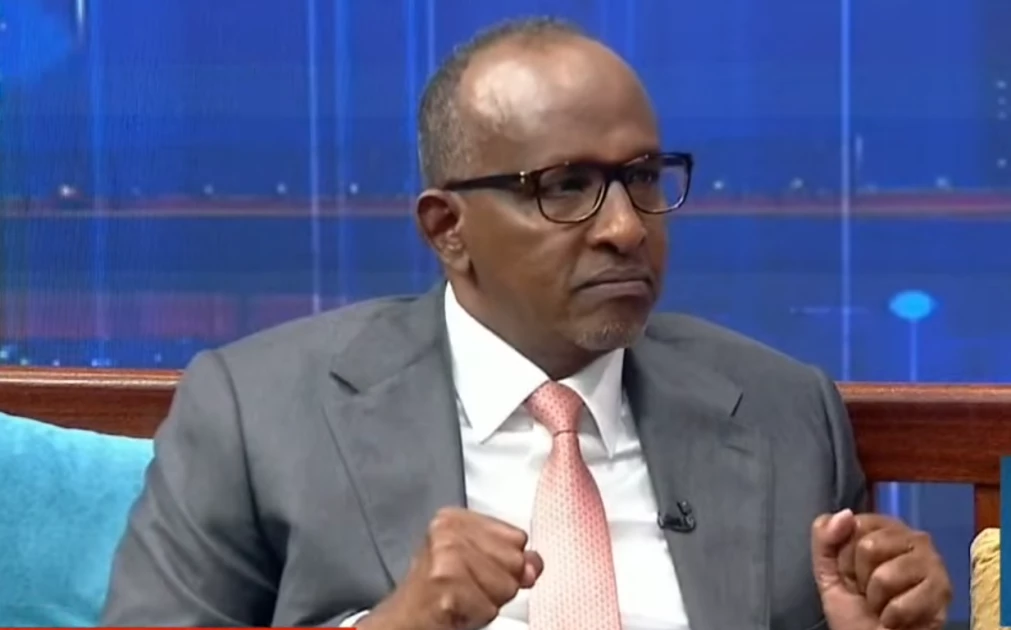
Health CS Aden Duale speaks during an interview on Citizen TV's JKLive show on January 28, 2026. Photo/Courtesy
By Ruth Sang
Health Cabinet Secretary Aden Duale has strongly refuted claims that Kenya lost Ksh.11 billion through fraudulent medical claims under the Social Health Authority (SHA), insisting that the health system is now more accountable and effective in detecting fraud. The CS maintained that calls for his resignation are unfounded, arguing that the figures being circulated actually demonstrate that the system is working as intended.
The Ministry of Health has recently come under renewed scrutiny following reports suggesting that billions of shillings may have been irregularly claimed within a span of six months. The alleged losses occurred because people created false medical reports which stated they received operations when they actually did not.
However, speaking during an interview on Citizen TV’s JKLive, Duale dismissed the claims, clarifying that the amounts cited were fraudulent claims that had already been intercepted and rejected. He explained that Ksh.11.6 billion worth of suspicious claims had been blocked from payment because there was a possibility that money might have been lost.
“As of this evening, we have rejected Ksh.11.6 billion worth of fraudulent claims. Every shilling a Kenyan contributes to healthcare insurance is protected. The system will catch any person who tries to steal it, revealing their identity, while the government takes action, Duale said.
He explained that the detection of fraudulent claims should not be interpreted as system failure, but rather as proof that enhanced monitoring mechanisms are functioning effectively. The CS confirmed that roughly Ksh.1 billion had been disbursed after completing the entire verification procedure.
Duale explained that his tenure brought significant organizational changes which resulted in major updates to the Ministry of Health, including its Afya House facility. He acknowledged that corruption concerns were not entirely unfounded in the past but insisted that the situation had since changed.
“When I first went there, I denied the claims. After three weeks, I realized there was some truth as to why Kenyans called it Mafia House. Today, it is Afya House. Why should I resign? Duale posed. He added that accountability mechanisms already exist, including parliamentary oversight, the criminal justice system, and presidential authority.
Duale further noted that insurance fraud is a global challenge and not unique to Kenya. He pointed out that digitization serves as an essential weapon against such fraud, while he explained that Social Health Authority and Digital Health Agency were separated to create stronger fraud monitoring systems.
The CS explained that all people who frauded the previous system tried to switch to SHA because they believed their fraudulent activities would succeed because the system would not catch them.
The CS also highlighted progress under SHA, revealing that over 420,000 Kenyans have enrolled in the Lipa Pole Pole program, contributing Ksh.1.4 billion to access specialized medical services.
His remarks come against the backdrop of disclosures made to Members of Parliament during a retreat in Naivasha, where he revealed troubling trends in health facilities manipulating systems to inflate insurance claims. The report stated that expectant mothers were pressured into unnecessary Caesarean sections because these operations would result in higher reimbursement payments.
Duale presented evidence showing facilities without operating theatres had submitted numerous C-section claims, which he described as unacceptable.
The ongoing debate currently investigates whether SHA protects taxpayer money or simply exposes weaknesses within its operational framework. The Health CS asserts that current reforms have improved accountability in the health sector, which requires further steps to reach optimal function.
About Author