Budget Cuts Threaten Key Labour Programs, National Assembly Committee Warns
The committee warned that continued underfunding could significantly derail efforts aimed at reducing unemployment and enhancing skills development across the country.

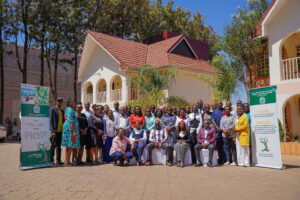
Parliament’s Labour Committee flags budget cuts threatening key employment programs under the State Department for Labour and Skills Development. Photo/Parliament of Kenya.
By Robert Assad
The National Assembly’s Departmental Committee on Labour has raised serious concerns over the impact of budgetary reductions on critical labour and employment programs under the State Department for Labour and Skills Development.
The committee warned that continued underfunding could significantly derail efforts aimed at reducing unemployment and enhancing skills development across the country.
During a session convened to review the 2025/26 Budget Estimates, Committee Vice Chairperson Fabian Muli flagged the low allocations to the State Department as inadequate and potentially damaging to key labour initiatives.
He emphasized that without sufficient financial support, the department would struggle to execute its core functions effectively.
One of the most affected initiatives is the Labour Migration and Export Program, a flagship effort designed to link Kenyan workers with job opportunities abroad.
Principal Secretary for Labour and Skills Development, Shadrack Mwadime, termed the initiative a “game changer” for the country’s economy, especially in tackling high youth unemployment.
“There are many opportunities outside there that we seek to get hold of,” said PS Mwadime. “Kenyans will get an opportunity to work abroad and can come back to invest in our country.” He noted that this initiative not only provides direct employment but also boosts the economy through remittances and investments by returning workers.
Mwadime further cited a significant shortage in staffing and funding as challenges hampering the department’s effectiveness. According to the State Department, limited resources have led to delays in project implementation, underperformance in skills development initiatives, and insufficient monitoring of labour standards both locally and internationally.
The committee echoed these concerns and reaffirmed its commitment to ensuring the department receives the necessary support. Members underscored the strategic role of labour and skills development in achieving national economic goals, stressing that any compromise in funding could undermine Kenya’s efforts to reduce unemployment and grow a skilled workforce.
As part of its recommendations, the committee pledged to push for increased funding during the upcoming parliamentary budgetary discussions.
Legislators emphasized the importance of investing in labour migration, vocational training, and domestic employment initiatives to promote sustainable livelihoods and national economic resilience.
The Committee’s warning comes amid increasing calls for the government to prioritize youth employment and skills enhancement as a means to address the rising joblessness in the country.
About Author