Digital Pregnancy Apps Transform Maternal Care in Kisumu, but Gaps Remain
“The app always reminds me of my next visit two days before. So I have been very prudent in attending all my ANC clinics,” Doreen Achieng
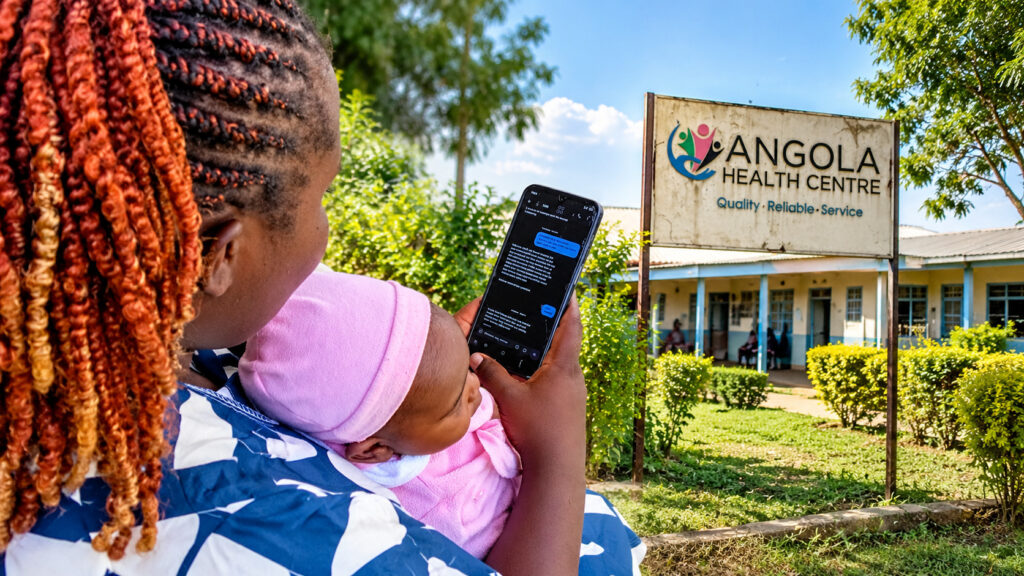
A mother uses a mobile phone while holding her infant , illustrating the growing role of digital technology in improving access to maternal health information, appointment reminders and newborn care guidance.
By Grace Wafubwa
Edited by James Gitaka, Chief Editor, HubzMedia
The sound of crying infants mingles with the voices of mothers soothing their babies, while pregnant women sit patiently on benches awaiting antenatal care. Elsewhere, newborns receive their first immunisations as health workers move between consultation rooms.
At Lumumba Sub-County Hospital, one of Kisumu County’s busiest public health facilities, the corridors remain alive with activity.
Children under five fill the waiting areas, mothers carry their newborns, and expectant women wait for their names to be called. Among them is Ashley Atieno, a 30-year-old resident of Kanyamedha and a mother of one, who is expecting her second child.
Eight months pregnant and in her final trimester, Ashley waits for her turn at the antenatal clinic. But unlike her first pregnancy, she says, this time she has a digital companion helping her navigate the journey: the Jacaranda PROMPT application.
“This pregnancy journey has been very comfortable. I cannot compare it with my previous one because of the errands and responsibilities I had. I would sometimes forget important appointments,” she says.
Ashley is among thousands of expectant mothers enrolled on the digital platform, which is designed to help women track their pregnancies, remember antenatal appointments and access information about possible complications.
For her, appointment reminders have been particularly useful.
“The app always reminds me of my next visit two days before. So I have been very prudent in attending all my ANC clinics,” she says.
The reminders have helped her attend scheduled visits on time and avoid missing important antenatal appointments.
“Everything I need to know is just a touch of a button,” she says.
Beyond reminders, Ashley says the platform has helped her understand what to look out for during pregnancy and when to seek medical attention.
Her experience illustrates how digital health services are increasingly becoming part of maternal care, providing women with information and reminders that can complement services offered at health facilities.
But for other expectant mothers, the benefits are accompanied by anxiety, difficult pregnancies and occasional delays in accessing information.
A digital companion through a difficult pregnancy
Diana Ambugwi, 27, a resident of Kibos on the outskirts of Kisumu city, is also expecting her second child. Her pregnancy, however, has been more complicated.
She has experienced persistent bloating and discomfort. Having delivered her first child through Caesarean section, Diana says doctors have advised her to remain on bed rest as she continues with her current pregnancy.
“I have been able to keep track of my condition using the app. It has also helped me keep my mental health in check,” she says.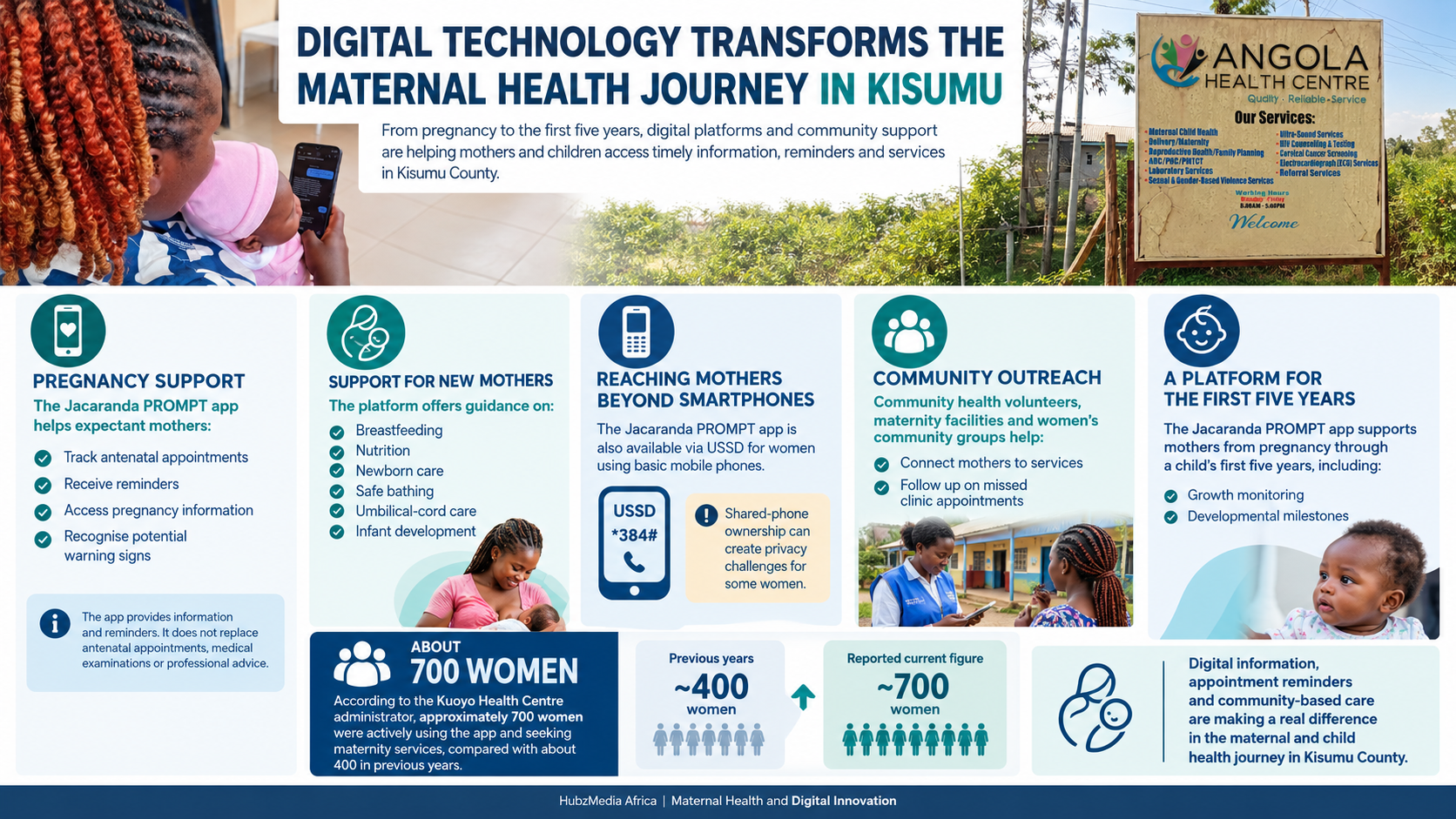
The discomfort has affected her sleep, with foetal movements sometimes accompanied by pain and anxiety.
“At night, the app has been my partner because I hardly sleep. It has helped me manage my condition through nutrition advice and even guidance on the best positions to sleep in,” she says.
With her condition linked to potential pre-eclampsia, Diana says the information available through the platform has helped her recognise warning signs and understand when she needs medical attention.
However, her experience also highlights the limitations of digital maternal health services.
Diana says there have been occasions when responses or information on the platform were delayed, leaving her anxious, particularly when she was experiencing discomfort.
Her experience underscores the importance of reliable access to information, especially for women navigating complicated pregnancies. While digital platforms can provide guidance, they do not replace professional medical assessment and care.
Reaching mothers beyond smartphones
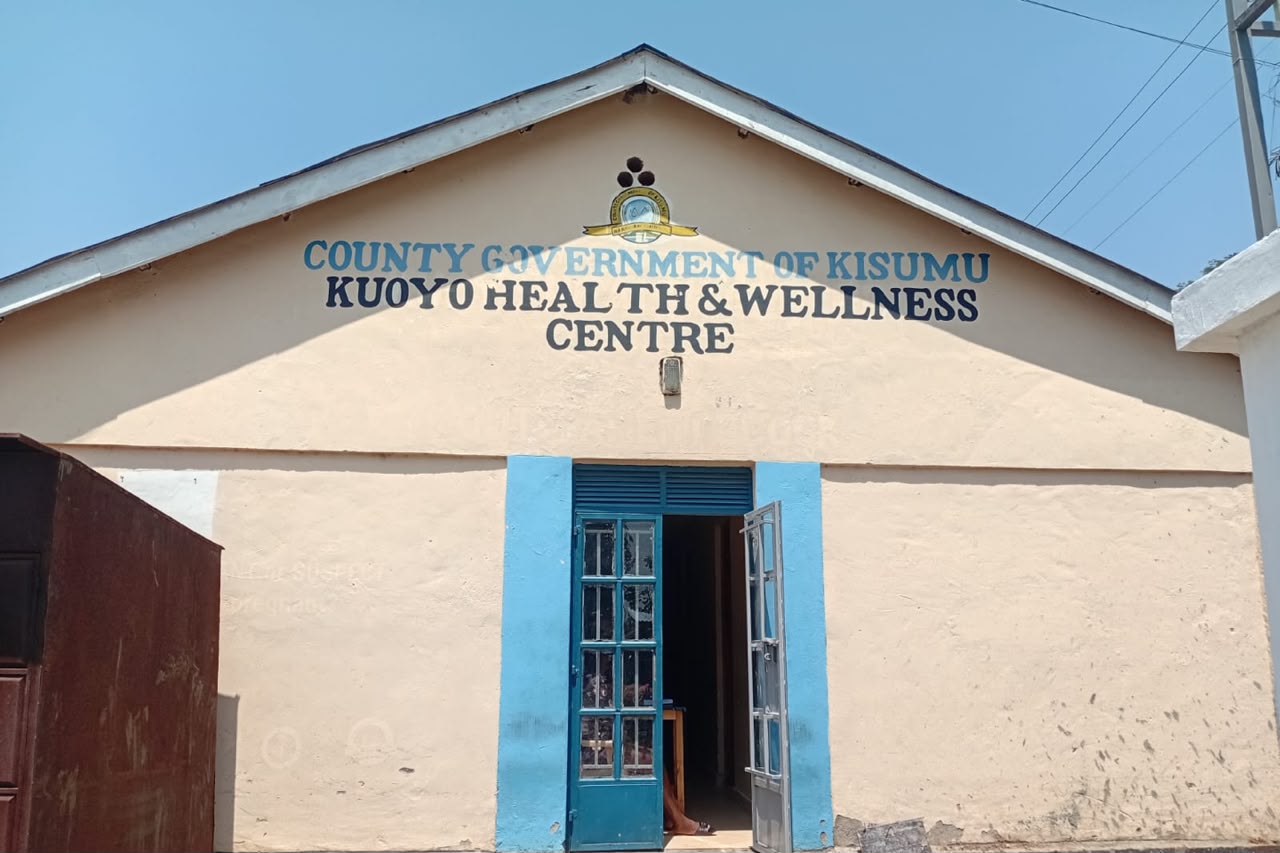
Further into Manyatta, one of Kisumu East’s densely populated neighbourhoods, lies Kuoyo Health Centre, a Level 3 facility serving a community with significant maternal healthcare needs.
The facility records high numbers of births and a high prevalence of teenage mothers, making its maternity wing an important point of care for young and first-time mothers.
Inside the maternity unit, expectant women wait for services while new mothers care for their babies.
Among them is 22-year-old Doreen Achieng, a first-time mother cuddling her one-month-old daughter.
With no previous experience raising a child, Doreen says she has had limited immediate family support. Her parents live in Migori, while her in-laws reside in a rural area.
The pregnancy application became an important source of guidance from the moment she discovered she was expecting.
Doreen was introduced to the platform during her first visit to the health centre and continued using it throughout her pregnancy and after delivery.
She says the information has helped her understand nutrition, self-care, breastfeeding and newborn care. Even after giving birth, she continued receiving guidance, including information relating to her baby’s weight.
“I have never raised a child before, so it has helped me by giving me guidelines on how to take care of the child,” she says.
Through the platform, Doreen says she has learnt how to breastfeed her daughter, recognise when the baby is full, bathe her safely, care for the umbilical cord and position the baby correctly.
“Everything I need, I refer to the app,” she says.
For first-time mothers with limited access to immediate family support, such information can provide an additional source of guidance as they learn to care for their newborns.
At the same facility, 24-year-old Irene has brought her three-month-old baby for vaccination.
Irene, also a first-time mother, moved from another county to live with the father of her child. Although she describes her pregnancy as having been smooth, she says life has become increasingly difficult as her husband struggles to provide for the family.
Unlike Doreen, Irene does not own a smartphone. She relies on a basic mobile phone commonly known as a Mulika Mwizi.
However, the absence of a smartphone has not completely excluded her from the digital health service. The platform also offers access through an Unstructured Supplementary Service Data (USSD) service, allowing women with basic mobile phones to receive maternal and child health information.
“The app is not only limited to smartphones. I can still access information,” she says.
Yet access to a phone does not necessarily mean that a woman has control over it.
Irene does not own the phone she uses; it belongs to her husband. This arrangement raises questions about privacy and the ability of women to access sensitive health information independently.
The administrator at Kuoyo Health Centre acknowledges that shared-phone ownership presents a significant challenge for some women, particularly when they need to seek information about personal health concerns.
Privacy is especially important in a region that continues to face a significant HIV burden, where confidentiality can influence whether women feel safe seeking information, disclosing their status and accessing treatment.
Kuoyo health administrator Irene Macodros says some women may feel more comfortable turning to the application for sensitive information than discussing their concerns directly with a healthcare provider, particularly when they fear that disclosure could expose their HIV status to others.
The challenge, therefore, extends beyond digital access to whether women can use these services privately and without fear of unintended disclosure.
Community health workers strengthen follow-up
At Kuoyo Health Centre, digital maternal health services are being supported by community-based interventions aimed at ensuring women remain connected to care.
The facility works closely with community health volunteers, including Millicent Waka, to follow up with women who miss scheduled clinic visits.
“This has helped in traceability and accountability of the women who often miss their clinics,” the administrator says.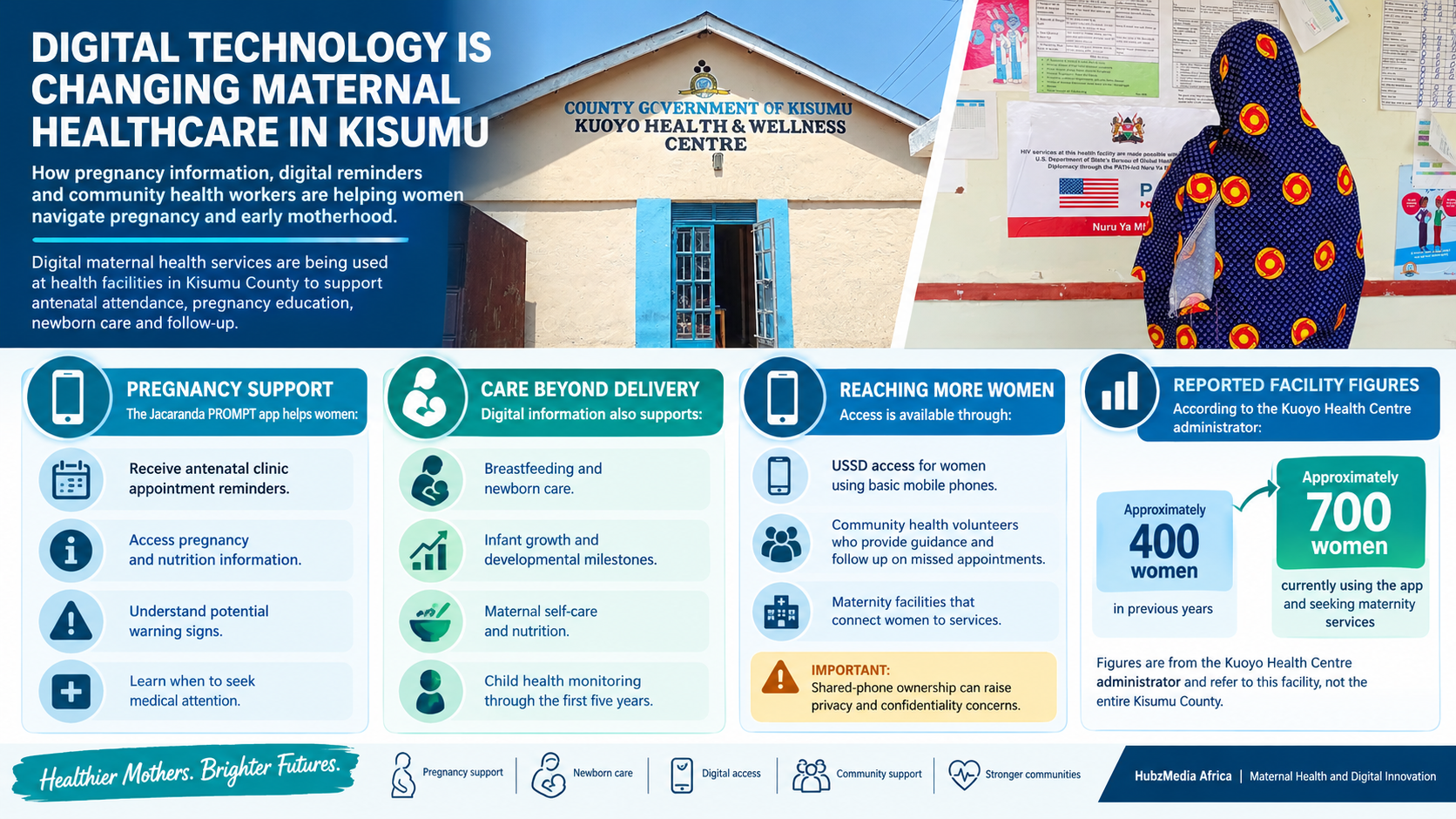
The approach combines digital information with direct community engagement, allowing health workers to reach women who might otherwise miss appointments or remain outside the formal healthcare system.
The facility is also encouraging women who previously relied on Nyamrerwa, a traditional birth attendant, to register at the health centre and use the digital platform to access maternal health information.
Information about the service is spreading through women’s community groups, including chamas and merry-go-rounds, while community health volunteers continue to play an important role in reaching women within their communities.
According to the administrator, these combined interventions have contributed to a significant increase in the number of women accessing maternity services at the facility.
“From these interventions, we have recorded an upsurge of clients to almost 100 percent. In just one year, we have at least 700 women actively using the app and seeking maternity services, up from about 400 in previous years. The numbers are not lying,” she says.
The figures point to growing engagement with the service at the facility, although the reported increase reflects the combined interventions rather than establishing that the application alone is responsible for the change.
Teenage pregnancy, stigma and the hope of returning to school
Deep in Angola, a peri-urban area of Kisumu, 17-year-old Violet Achieng is seven months pregnant and attending her antenatal clinic at Angola Health Centre.
A Form Three student at Awasi Girls Secondary School, Violet says her pregnancy forced her to leave her parents’ home and move in with her aunt after she became the target of stigma.
“I had to flee home. It was unbearable,” she says.
As she prepares to become a mother, Violet says the pregnancy application has become an important source of information, helping her understand the changes taking place in her body and what to expect when she goes into labour.
The information has helped her prepare for delivery, although she remains anxious about childbirth.
“My only worry is that my pelvic muscles are not fully developed in case of complications,” she says.
For Violet, the prospect of motherhood has not ended her educational ambitions. She plans to return to school after delivery and register to sit her examinations next year.
Her experience highlights the challenges faced by pregnant adolescents, including stigma, limited support and uncertainty about childbirth, while illustrating how access to information can help them prepare for the next stage of their lives.
At Angola Health Centre, the application is also being used beyond pregnancy and delivery, supporting mothers as they monitor their children’s growth and development.
Monitoring children beyond birth
Minah Akelo Juma, 33, has brought her three-year-old son to the health facility. She registered on the platform last year and says it has helped her keep track of her son’s growth and developmental milestones.
“This has enabled me to keep checking his growth milestones,” she says.
The platform is designed to support mothers from conception through the first five years of a child’s life. It allows them to document progress, monitor developmental milestones and identify changes that may require further attention.
At Angola Health Centre, administrator Innie Anyango says the platform has also helped health workers engage couples on health concerns that require early attention.
She says the information available through the platform has helped mothers understand Rhesus factor incompatibility and the importance of early screening and intervention during pregnancy.
According to Anyango, this information enables health workers to engage couples earlier and encourage appropriate follow-up where necessary.
She adds that early identification of health concerns can support timely intervention. Conditions such as sickle cell disease, however, are hereditary and require appropriate clinical testing and management.
The emphasis on early screening and follow-up reflects the broader role of digital maternal health services: helping women access information while encouraging timely engagement with healthcare professionals.
Artificial intelligence and early identification of risk
Beyond the individual experiences of mothers, digital technology is also being used to support healthcare workers in identifying and responding to maternal and neonatal health risks.
Olivia Okwaro, an IT specialist at Wanda Health, says the organisation operates a web-based electronic health records (EHR) system that uses artificial intelligence to assess maternal and neonatal health risks.
The system uses colour-coded alerts to flag potential concerns, with yellow indicating warning signs and red identifying more serious abnormalities.
Alerts are also shared through WhatsApp groups involving healthcare providers in the relevant region, helping teams identify and respond to high-risk cases.
Okwaro says the initiative was initially piloted at Kisumu County Referral Hospital and Railways Health Centre before being expanded to other facilities selected using health data.
The system currently operates in 44 facilities in Kisumu County, mainly public health facilities, with plans to expand in partnership with the county government.
It works alongside other digital health platforms, including Jacaranda Help, which sends maternal health messages through SMS, and KenyaEMR.
However, internet connectivity remains a challenge. Okwaro acknowledges that delays in transmitting information can affect how quickly alerts reach healthcare workers, potentially slowing the flow of information needed for timely responses.
Wanda Health is also exploring ways to make digital maternal health services more accessible to expectant mothers living with disabilities, particularly women with hearing and visual impairments.
Okwaro says accessibility improvements are intended to ensure that women with disabilities can access essential pregnancy information, understand health advice and receive maternal care reminders without additional communication barriers.
The initiative points to a broader challenge for digital health services: ensuring that technology is accessible not only to women with smartphones and reliable internet connections, but also to those who face financial, technological or disability-related barriers.
County data points to improvements in maternal care
According to Kisumu County Executive Committee Member for Health Dr Gregory Ganda, the impact of digital technology on maternal and newborn health is reflected in the county’s health data.
Since the introduction of digital pregnancy risk assessment in 2025, perinatal deaths across eight health facilities in Kolwa East Ward have declined from 15 in 2024 to eight in 2025, he says.
The system is supported by clinical teams that monitor expectant mothers identified as being at high risk.
Dr Ganda says the Wonder electronic health record system screened 1,735 pregnancies across the eight facilities in 2025, flagging 575 cases for further clinical review.
County data also shows that the proportion of women initiating antenatal care within the first three months of pregnancy increased from 14.6 per cent to 30.1 per cent.
The proportion of women completing four antenatal visits rose from 57 per cent to 79.5 per cent over the reported period.
The model has since been extended to Kisumu East Sub-County, where 5,408 pregnancies were screened in 2025, with 1,039 flagged for clinical review.
The county is now working to roll out the approach across all 35 wards, with the aim of strengthening early detection of pregnancy complications and ensuring expectant mothers receive timely and appropriate care.
The figures offer an indication of the scale at which digital systems are being integrated into maternal healthcare in Kisumu. The decline in perinatal deaths and the increase in antenatal care indicators are encouraging developments, although the reported data alone does not establish that digital technology was the sole cause of the changes.
Balancing technology with accessible, timely care
From Ashley Atieno’s appointment reminders at Lumumba Sub-County Hospital to Doreen Achieng’s newborn-care guidance at Kuoyo Health Centre, digital maternal health services are providing women with additional ways to access information throughout pregnancy and early childhood.
For mothers managing complicated pregnancies, the platforms can offer guidance and help them recognise warning signs. For first-time mothers, they provide information on breastfeeding, nutrition and newborn care. For health workers, electronic records and risk alerts can support follow-up and the identification of cases requiring clinical review.
Yet the experiences of Diana Ambugwi and Irene demonstrate that important gaps remain.
Delayed responses can heighten anxiety among women experiencing discomfort, while shared-phone ownership can compromise privacy. Internet connectivity and accessibility barriers also affect how effectively digital services reach the women who need them.
The experience of 17-year-old Violet Achieng further illustrates that maternal healthcare extends beyond medical information to include the social realities of pregnancy, stigma and the challenge of continuing education.
Digital platforms are increasingly becoming part of Kisumu’s maternal healthcare system, but their effectiveness depends on more than the availability of technology. Reliable connectivity, confidentiality, accessible communication and timely professional medical care remain essential.
For women navigating pregnancy and early motherhood, the promise of digital health lies in having information within reach while remaining connected to the healthcare workers and facilities responsible for their care.
About Author