Uasin Gishu Bets on Markets, Industrial Parks and Cooperatives with KSh 288 Million Business Sector Budget
The department has also set targets to rehabilitate 15 retail markets in 2026/27, support 1,000 MSMEs through the Inua Biashara Fund, and complete the Eldoret Arboretum.
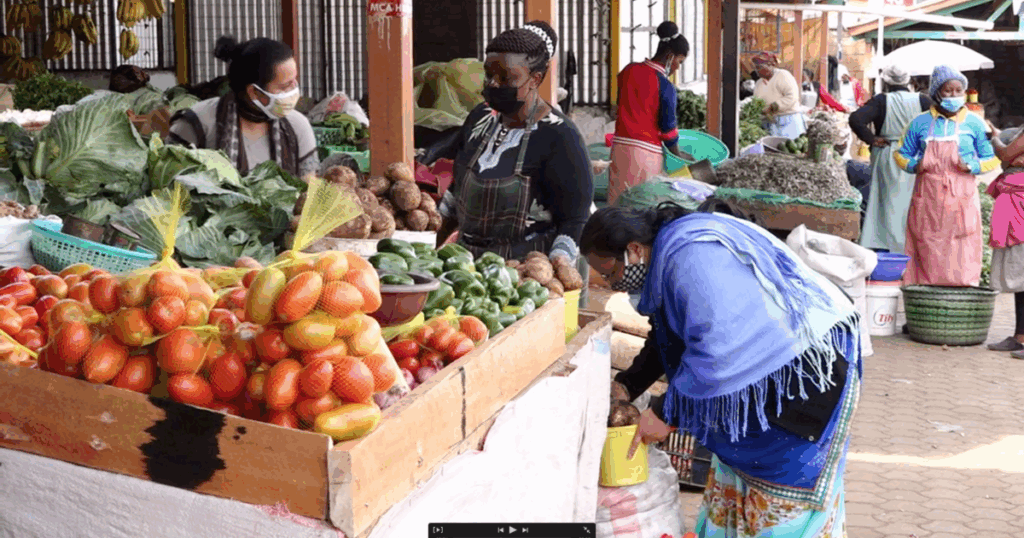
Photo: Courtesy.
By Robert Mutasi
The County Government of Uasin Gishu has allocated over KSh 288 million to the business sector in its approved 2026/2027 budget, prioritizing the completion of ultra-modern markets, the County Aggregation and Industrial Park (CAIP), and revitalization of cooperative societies.
According to the Approved Programme Based Budget 2026/2027, the Trade, Industry, Investment and Tourism docket has been allocated KSh 221,718,000, while the Cooperatives and Enterprise Development docket gets KSh 67,118,967.
The combined allocation comes against a backdrop of mixed performance in the previous three years. The Trade department was allocated KSh 302.6 million in 2022/23, KSh 676.3 million in 2023/24 and KSh 543.1 million in 2024/25, but actual expenditure stood at KSh 238.7 million, KSh 398.6 million and KSh 339.6 million, translating to absorption rates of 79, 58 and 63 percent.
Despite funding constraints, the county reports key achievements including construction and fabrication of Kimumu Bahati wholesale market, rehabilitation of 45 selected markets across wards, establishment of online marketing platforms, construction of CAIPs to 48 percent completion, development of Sosiani River Nature Park to 60 percent, issuance of KSh 69 million through the Inua Biashara Fund benefiting over 760 MSMEs, capacity building of 3,000 MSMEs, holding of 4 economic forums and 11 trade fairs, and establishment of village-based agro-processing centres.
Markets and CAIP Take Lion’s Share
For 2026/27, market infrastructure development will take KSh 100 million, while administrative support services will take KSh 96.4 million, tourism development KSh 5 million, and ward development KSh 20.2 million.
Flagship projects listed include completion and equipping of CAIPs at KSh 95 million, Kimumu/Bahati market at KSh 5 million, and a county museum perimeter wall at KSh 5 million, all marked as ongoing. The county says over the medium term it will fast-track construction and operationalization of 64 ultra-modern markets and the CAIP to provide structured spaces for trade, aggregation and value addition.
Ward-level business projects include Bindura market stalls, Kerita market shade, construction of Kipkorgot market in Kapsoya, Chebaiywo, Talai and Moi University Stage markets, and empowerment programmes such as Inua Biashara for Kapkures Ward and supply of umbrellas, boda boda reflectors and sports kits tied to trader groups.
The department has also set targets to rehabilitate 15 retail markets in 2026/27, support 1,000 MSMEs through the Inua Biashara Fund, and complete the Eldoret Arboretum.
Cooperatives Focus on Credit and Governance
The Cooperatives and Enterprise Development department, which is mandated to promote, register and revive cooperative societies, audit societies and facilitate affordable credit, was allocated KSh 123.8 million in 2022/23, KSh 105.5 million in 2023/24 and KSh 163.4 million in 2024/25, with absorption rates of 98, 83 and 96 percent.
In 2026/27, KSh 48.3 million will go to recurrent expenditure and KSh 18.8 million to development. The county plans to train 180 cooperative societies, audit 250 societies, revive 50 dormant societies, register 35 new ones, and digitize 70 percent of cooperatives.
A key focus is the revolving fund, with a target to disburse KSh 100 million to 20 cooperatives, up from KSh 53.3 million to 6 cooperatives previously. Six value addition initiatives will also be supported.
According to the budget, the county will enhance governance, transparency and efficiency in cooperative management, promote cooperative-led aggregation and marketing, integrate financial literacy and digital literacy training, and structure enterprise funds as revolving funds to ensure sustainability and minimize fiscal burden.
Together, the two dockets form the core of Uasin Gishu’s strategy to diversify production, enhance market competitiveness, and attract private sector investment under the Bottom-Up Economic Transformation Agenda.
About Author