Kenya and Tanzania Intensify Joint Efforts to Combat Cross-Border FGM
In Tanzania officials tracked eight areas which served as cross-border circumcision hotspots while they conducted investigations into two active cases.
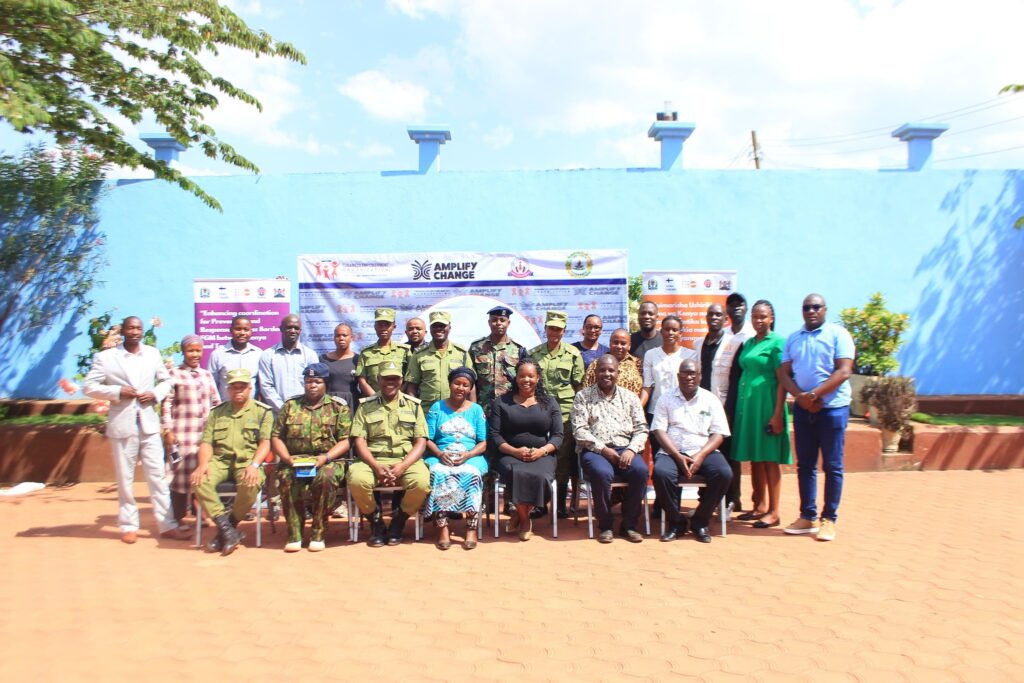
Officials and activists from both countries met in Tarime, Tanzania, to strengthen coordination ahead of the upcoming season. Photo/Courtesy
By Ruth Sang
Government officials and gender rights advocates from Kenya and Tanzania have joined forces to make preparations against an expected increase in Female Genital Mutilation (FGM) cases which will affect the Kuria community during the December 2026 period after the previous year saw a decrease in cases.
Reports indicate that 13 Kuria clans — four from Kenya and nine from Tanzania — are planning to conduct circumcision rites simultaneously later this year. The Bwirege clan which extends through both countries conducted its circumcision practice during the December 2025 season. Authorities report that cross-border FGM continues to exist as a persistent issue despite the decrease in activities.
To improve coordination for the coming season stakeholders from both countries met in Tarime Tanzania to assess previous problems and create solutions to stop the illegal activities.
The meeting organized by activist Vincent Mwita from Tunaweza Empowerment in Kenya aimed to identify practical solutions for stopping cross-border circumcision during December.
“We are here to map out effective strategies to prevent cross-border circumcision. Mwita explained that they faced major problems despite only one clan practicing the ritual throughout the prior year.
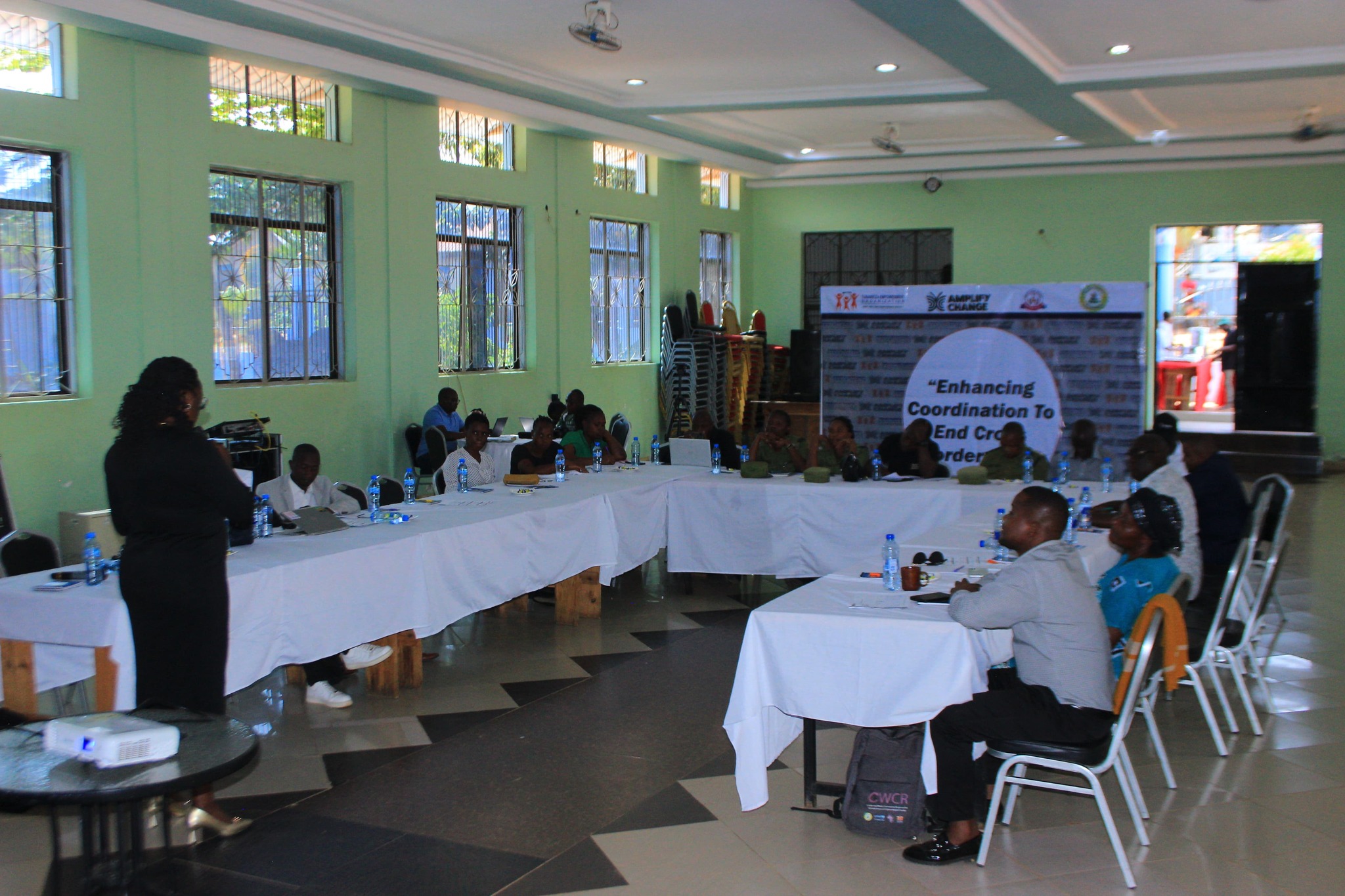
The meeting included three main discussion points which involved creating better arrest coordination systems with border authorities while tracking circumcisers and establishing rescue centers for FGM escapees closer to border regions.
Michael Marwa from C-Sema described Tanzania’s election period as a factor which caused enforcement deficiencies during the previous year because it delayed operational activities. He said that the established communication channels had helped authorities to disrupt activities which took place across borders.
The authorities documented their first case of eight boys and men who had received medical circumcision in hospitals being forced to undergo re-circumcision. The police in Kenya arrested two suspects who were involved in the incidents. The police rescued 120 girls who had escaped to avoid the cut and they continue to investigate two related court cases.
In Tanzania officials tracked eight areas which served as cross-border circumcision hotspots while they conducted investigations into two active cases.
Tarime District Commissioner Major Edward Ngoele through District Secretary Salm Mwaisenye announced that 63 children from 48 primary and secondary schools were protected from circumcision. The authorities established monitoring operations for 63 health facilities located in border areas to enhance anti-FGM educational programs.
The establishment of joint task forces between Kenya and Somalia and Ethiopia and Uganda and Tanzania in 2019 aimed to eliminate cross-border FGM in areas where cultures cross national borders.
The escape of children from this practice demonstrates that regional governments need to maintain their dedication to safeguarding children against this threat. The younger generation is increasingly aware of the dangers,” Ngoele said.
Tanzania’s Mara region authorities provided health insurance worth Tsh 10.2 million to approximately 2000 elder residents while they distributed Tsh 1.063 billion in digital funds to 60 groups who participated in alternative livelihood programs that aimed to prevent FGM.
Mwaisenye announced that Tarime held a similar consultative meeting in July last year which he requested additional forums before August 2026 to create specific action plans for eliminating the practice.
About Author