Over 900 Witnesses Protected as Demand for Kenya’s Witness Protection Program Soars
The agency currently works with the National Treasury and development partners to secure more funding which will enable them to handle increased demand for witness protection services that exists across the country.
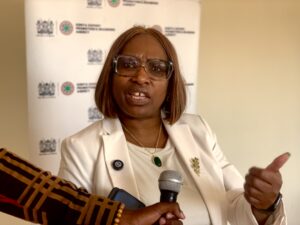
Calvin Oredi-Public Relation Officer under the Witness Protection Agency. Photo by Achieng kemuma
By Rahab Gati
Over 900 Kenyans have been admitted into the Witness Protection Agency (WPA) programme to testify in court, with more than 2,000 applications having been made since 2009, highlighting growing demand for protection amid rising cases of serious crime and corruption.
The agency says the majority of those seeking protection are witnesses in murder cases, sexual offences, land-related disputes and corruption matters, where intimidation and fear frequently prevent witnesses from cooperating with the justice system.
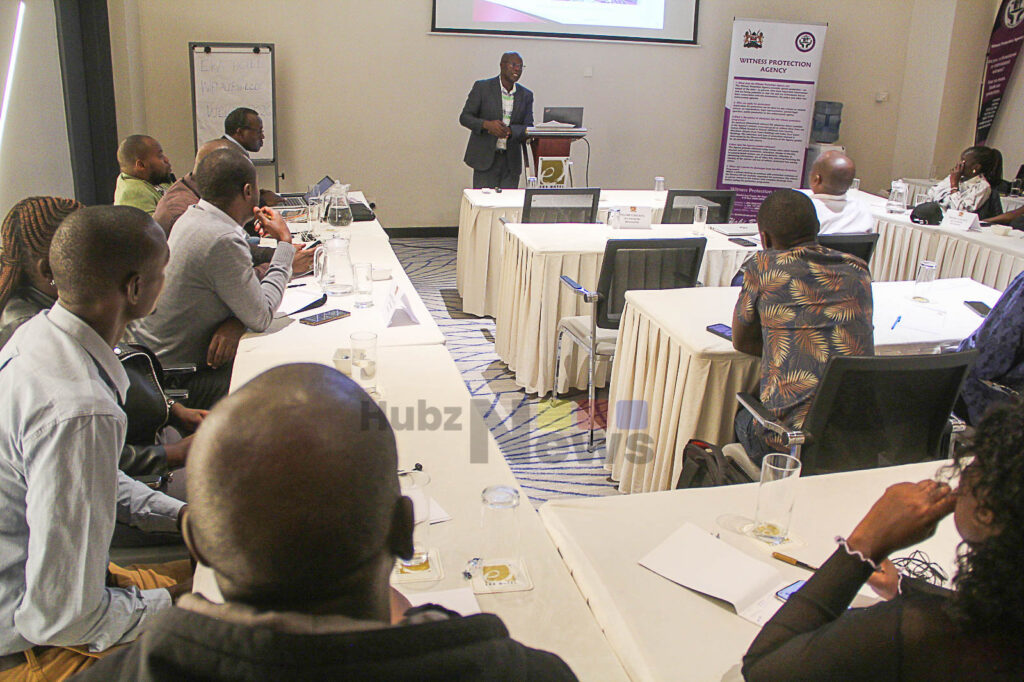
Speaking during a media sensitisation workshop for journalists in Uasin Gishu County on Wednesday, WPA Public Relations Officer Calvin Oredi said the agency has so far enabled about 600 protected witnesses to testify successfully in court.
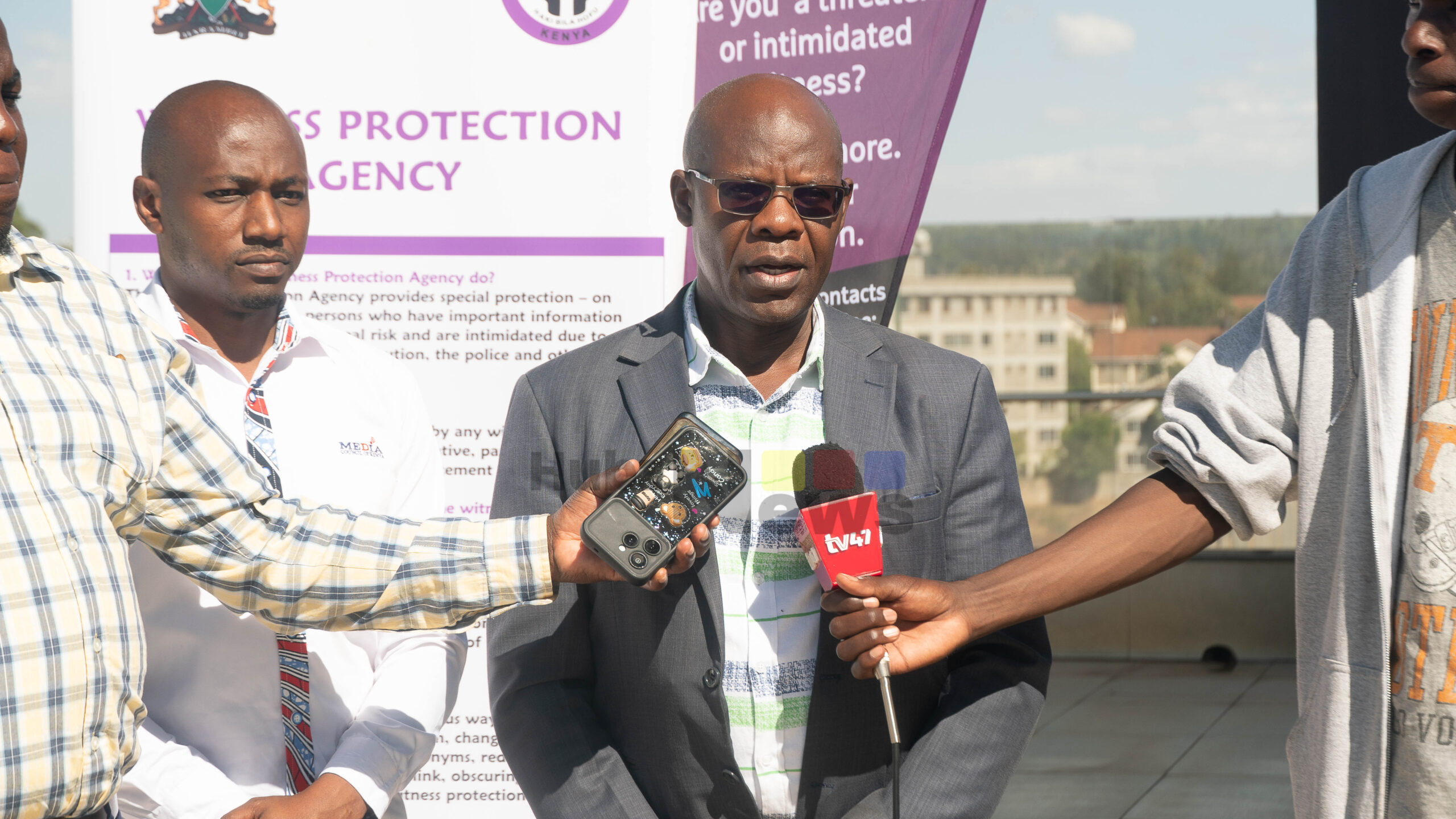
“Witness protection is a critical pillar of justice delivery. Many witnesses shy away from court because of threats and intimidation, especially in cases involving powerful suspects and serious offences,” Oredi said.
He explained that the agency uses a structured application and assessment process to identify individuals genuinely in need of protection, noting that some witnesses approach the agency directly, surpassing referrals from institutions such as the police.
The agency, however, faces significant financial constraints that limit its capacity to admit more deserving applicants. Oredi disclosed that protecting a single witness with at least three dependants costs approximately KSh 5.7 million per year, making funding one of the programme’s biggest challenges.
“Our operational costs are high and continue to rise with the growing number of cases. We are engaging the National Treasury and development partners to mobilise additional resources to meet the increasing demand,” he said.
The Witness Protection Agency also called on journalists to observe strict ethical and professional standards when reporting on sensitive cases, warning that exposing the identities of protected witnesses could put lives at risk.
“Journalists must avoid revealing names, images, locations or personal details of witnesses under protection. Responsible reporting ensures that media coverage does not compromise safety or obstruct justice,” Oredi said.
The forum was jointly organised by the Witness Protection Agency ,the Media Council of Kenya (MCK) ,the Uasingishu Journalists Association that mobilized journalists from diverse media organizations for the training.
MCK North Rift coordinator Joseph Mecha said journalists play a crucial role in the justice system and must balance the public’s right to information with the right to life and security.
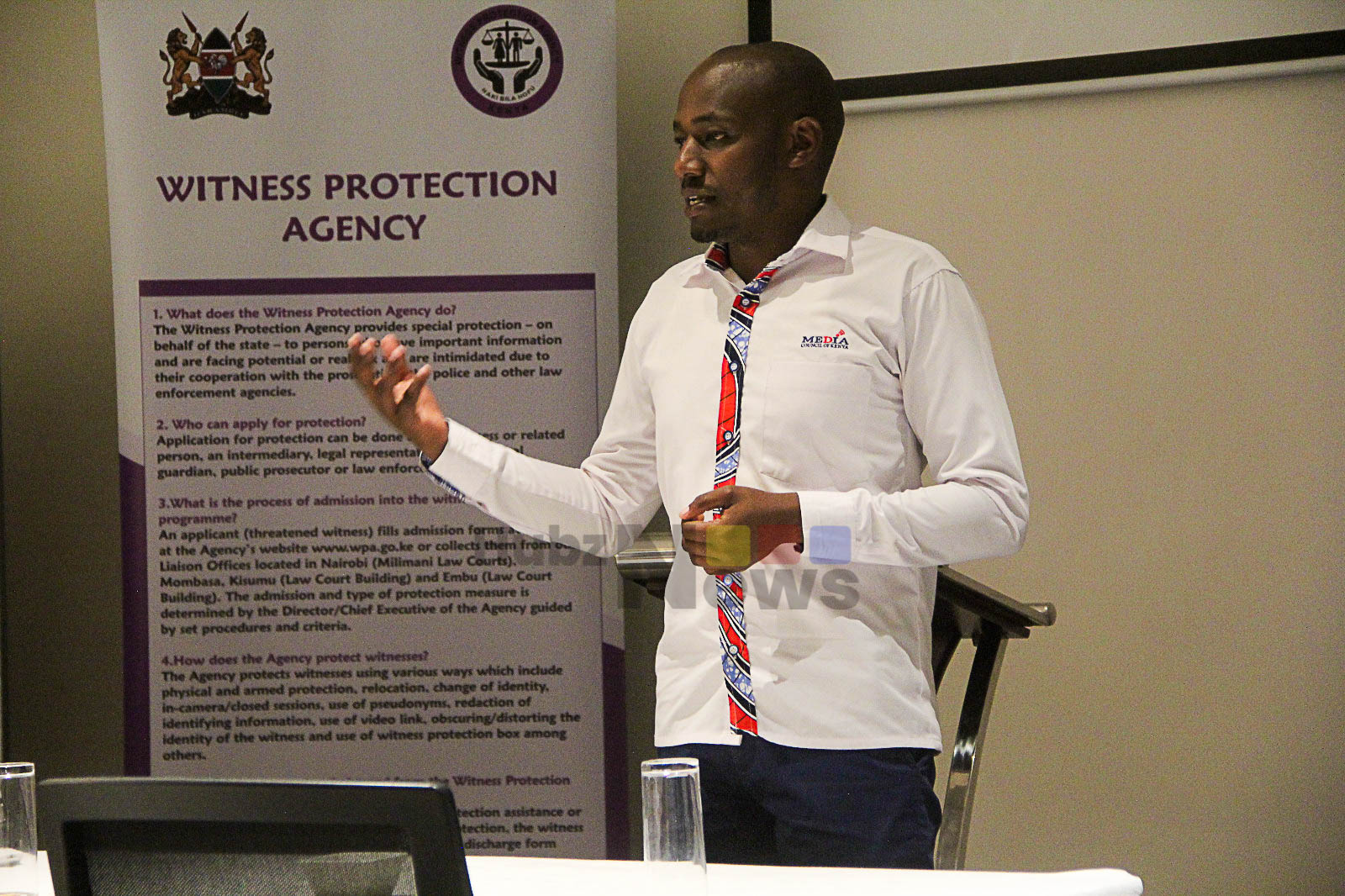
“Ethical reporting strengthens accountability and protects both witnesses and journalists, especially when covering sensitive investigations and court proceedings,” Mecha said.
Participants agreed that closer collaboration between the media and the Witness Protection Agency is essential to protecting witnesses, strengthening public confidence and ensuring justice is served.
About Author